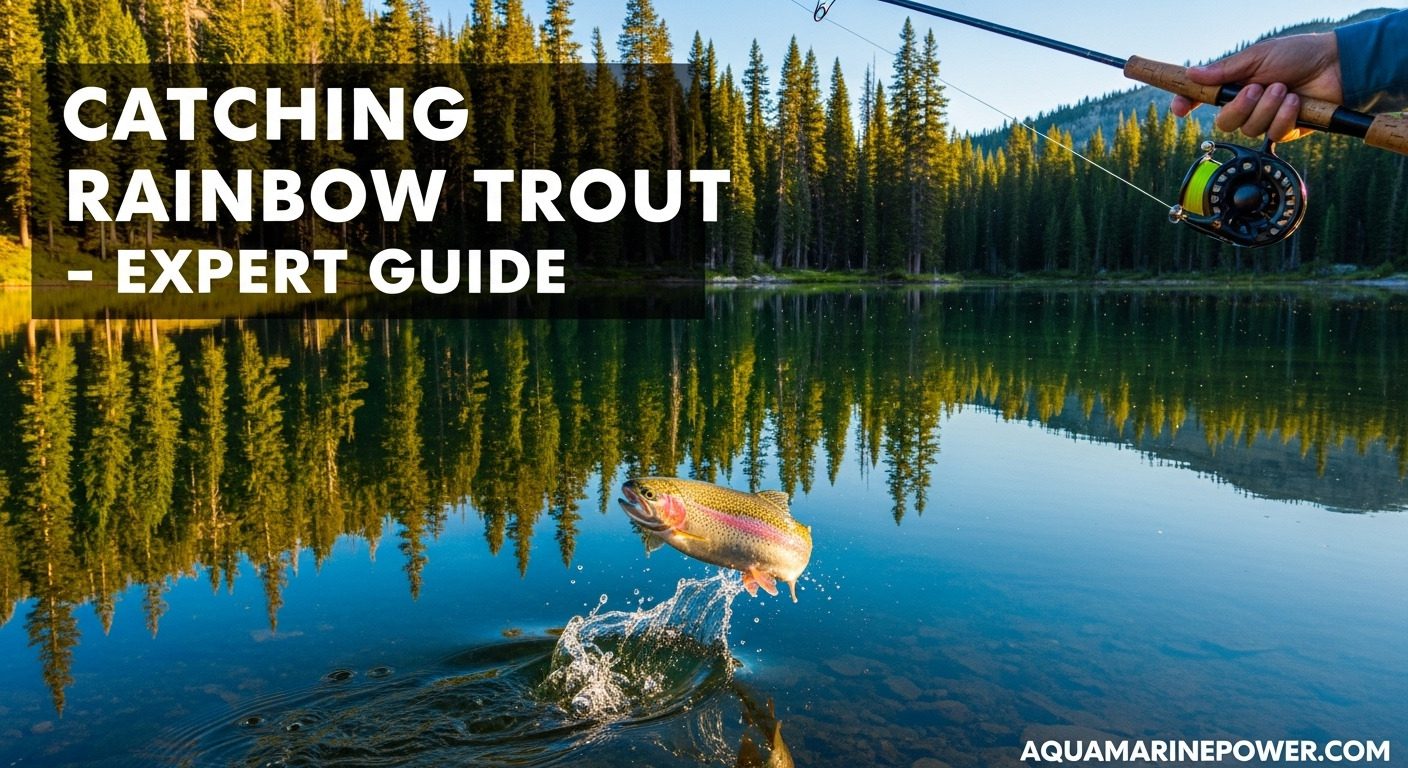
For countless anglers across North America, rainbow trout represent the holy grail of freshwater fishing. Yet many fishermen struggle with inconsistency, often attributing their variable success to pure chance. According to fishing experts, however, catching rainbow trout with regularity requires far more than luck—it demands proper technique, appropriate gear, and a thorough understanding of trout behavior.
Rainbow trout, widely regarded as one of North America's premier game fish, thrive in diverse aquatic environments ranging from urban ponds to pristine mountain streams. Their widespread distribution across lakes, rivers, and waterways throughout the continent makes them accessible to anglers of all skill levels, yet their behavior patterns can vary dramatically depending on environmental conditions.
"Whether you're targeting freshly stocked trout in urban ponds or wild rainbows in pristine mountain streams, understanding their feeding patterns, preferred habitats, and seasonal movements dramatically increases your success rate," explained an experienced angler and fishing expert.

"Whether you're targeting freshly stocked trout in urban ponds or wild rainbows in pristine mountain streams, understanding their feeding patterns, preferred habitats, and seasonal movements dramatically increases your success rate,"

The key to consistent success lies in adapting fishing strategies to match specific environmental conditions and the fish's natural behavior. This approach requires anglers to move beyond generic techniques and develop a more nuanced understanding of their quarry.
**Identifying Your Target Species**
Rainbow trout possess several distinctive characteristics that set them apart from other North American trout species. Their most recognizable feature is the broad pink or reddish stripe running laterally from their gills to their tails—the iconic marking that gives the species its common name. This stripe typically appears most prominent in breeding males.
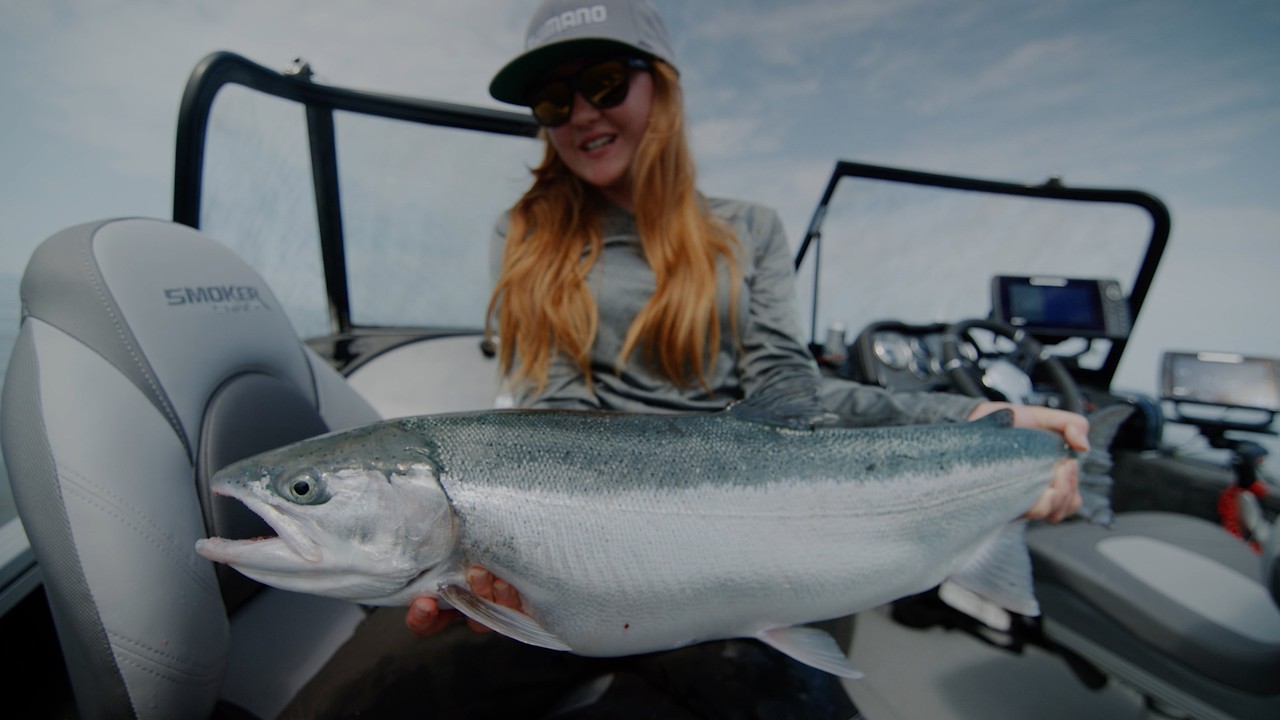
"Adult rainbow trout display bluish-green backs with silver sides and bellies," noted a biologist specializing in freshwater species. The fish's body features black spots that concentrate more heavily toward the tail region. Notably, these spots remain confined to the upper body and extend onto the dorsal, adipose, and caudal fins—a key distinguishing factor from brook trout.
"Adult rainbow trout display bluish-green backs with silver sides and bellies,"
Scientifically classified as Oncorhynchus mykiss, rainbow trout belong to the same genus as Pacific salmon, distinguishing them from Atlantic trout species. According to the U.S. Fish & Wildlife Service, these adaptable fish can complete their entire lifecycle in freshwater or migrate to ocean environments, where they adopt the steelhead identity.
Size variations depend largely on habitat and food availability. Adult rainbow trout commonly measure 12 to 24 inches in length and weigh between 1 and 8 pounds. Lake populations often achieve larger sizes due to abundant food supplies, while hatchery-raised specimens typically measure 10 to 14 inches at release.
When distinguishing rainbows from similar species, anglers should note several key differences. Unlike cutthroat trout, rainbows lack the distinctive red slashes on their throats. They also feature white-edged fins compared to the uniform fins of cutthroats and display more defined, regular spotting patterns than the irregular markings found on brown trout.
**Bait Selection for Stocked Trout**
The choice of bait becomes particularly crucial when targeting stocked rainbow trout, as their hatchery upbringing creates unique feeding preferences that differ significantly from wild populations.
"Berkeley PowerBait remains the most effective artificial bait for stocked rainbow trout," stated an experienced angler. This floating, scented dough bait effectively mimics the pellet food that trout receive in hatchery environments. Popular varieties include chartreuse, rainbow, and garlic-scented formulations.
"Berkeley PowerBait remains the most effective artificial bait for stocked rainbow trout,"
Proper PowerBait presentation involves shaping the material into marble-sized balls that completely cover treble hooks. The bait's buoyancy keeps it visible above bottom debris while creating scent trails that attract nearby trout.
Natural bait options also prove highly effective for rainbow trout fishing. Nightcrawlers offer versatility and appeal, with experts recommending threading half a worm onto size 6 to 8 hooks, allowing the tail section to move naturally in the current.
Success with rainbow trout ultimately depends on matching techniques to specific conditions and understanding the behavioral differences between stocked and wild populations. Stocked fish often respond well to familiar food presentations, while wild trout require more subtle approaches that mimic natural prey.
As fishing pressure continues to increase on popular trout waters, anglers who master these fundamental identification and bait selection principles gain significant advantages over those relying purely on chance. The combination of proper species knowledge, appropriate bait choices, and adaptive techniques transforms rainbow trout fishing from a game of luck into a more predictable and rewarding pursuit.