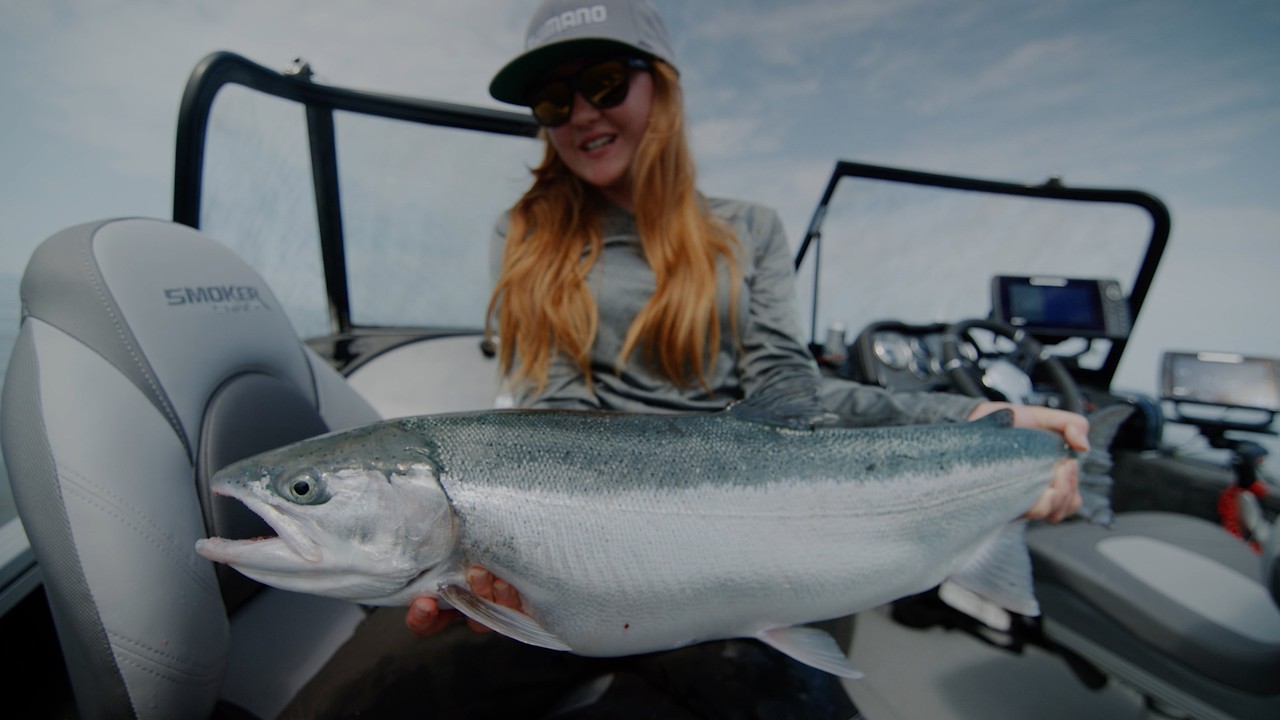
Fishing for trout in lakes offers an exciting opportunity for anglers, particularly when targeting the highly adaptable rainbow trout. Although many might envision fishing in fast-flowing streams, a wealth of lakes across the country hosts stocked rainbow trout, especially during spring and fall.
"Many states stock rainbow trout twice a year – during the spring and then again during the fall," explained a representative from state fish and wildlife agencies. Most states provide a trout stocking schedule on their official websites, making it easier for anglers to know when and where fish are stocked.
"Many states stock rainbow trout twice a year – during the spring and then again during the fall,"

In states like Delaware, Maryland, and Pennsylvania, the trout stocking program serves as a guide for fishing enthusiasts. For those eager to make their catch, here are some key tips for fishing rainbow trout in lakes.

To begin, choosing the right equipment is crucial. "Use light-action rods for trout," advised fishing expert Debbie Hanson. A light-action or ultralight spinning rod paired with a compatible reel is the best choice for success. A monofilament line of 4- to 8-pound test weight is recommended, as it suits both the size of rainbow trout and the environment in which they are fished.
"Use light-action rods for trout,"
When it comes to bait selection, having a range of options is beneficial. "Earthworms, mealworms, manufactured dough baits, and corn are some of the best baits to use when learning how to fish for stocked trout in a lake," said Hanson. Utilizing split-shot sinkers, barrel swivels, and hooks numbered 8 to 10 will enhance your chances.
"Earthworms, mealworms, manufactured dough baits, and corn are some of the best baits to use when learning how to fish for stocked trout in a lake,"
The setup process is straightforward yet essential for an effective fishing experience. First, securely attach the monofilament line to a barrel swivel using an improved clinch knot. "Pinch two split shot weights on the line above the swivel and cut 12 to 18 inches of leader for the hook," Hanson advised.
"Pinch two split shot weights on the line above the swivel and cut 12 to 18 inches of leader for the hook,"
Once your rig is assembled, it’s time to consider where to cast your line. Identifying the right locations is critical for success. "Finding inflows and outflows of cold, oxygenated water is key during the fall season," Hanson explained. These areas, particularly those near structures like weed beds or submerged trees, often harbor rainbow trout.
"Finding inflows and outflows of cold, oxygenated water is key during the fall season,"
For shore fishing, targeting drop-offs and ledges significantly improves your odds. "Rainbow trout are constantly on the move in search of food and ideal water conditions, so when you find one, you typically find more," said Hanson. Understanding the behavior of trout can inform your fishing strategy and increase your chances of a successful day on the water.
"Rainbow trout are constantly on the move in search of food and ideal water conditions, so when you find one, you typically find more,"
Armed with these tips and a valid fishing license, anglers can confidently head to their local lakes and put their newfound knowledge into practice. Whether you are a beginner or an experienced fisherman, the thrill of catching rainbow trout is just a cast away.
The landscape for fishing remains vibrant, with numerous opportunities for anglers willing to explore lakes and expand their skills. By mastering these essential techniques, the art of catching rainbow trout can transform from mere aspiration into exciting reality.