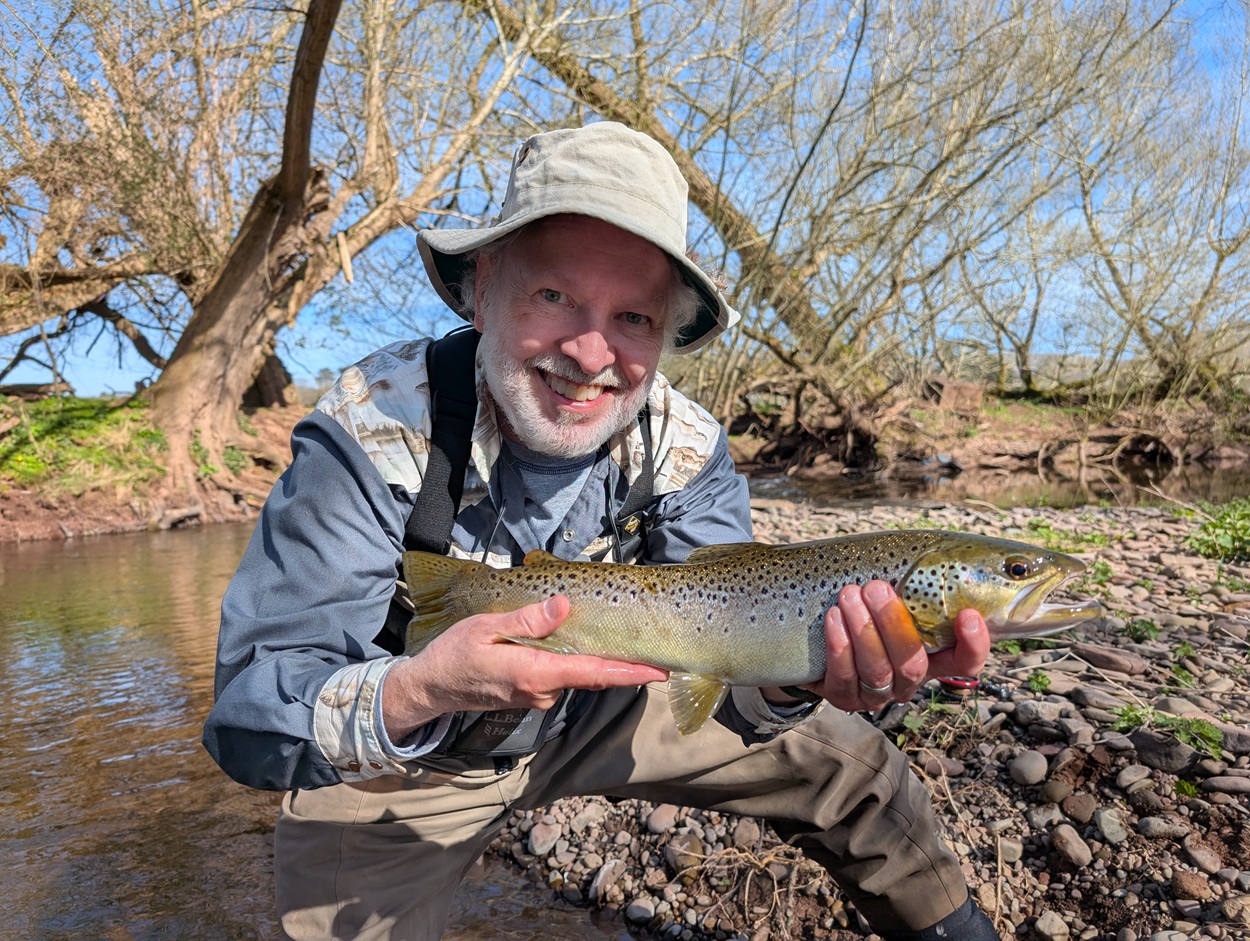
The opening weeks of Wales' trout season bring both excitement and challenges for anglers returning to iconic Welsh rivers after months of closed seasons and winter weather.
Early season conditions demand a strategic shift from summer tactics. Cold water temperatures slow trout metabolism, causing fish to feed less frequently and seek steadier, slower water while avoiding energy expenditure.
River levels typically remain elevated from winter rainfall, often carrying extra color that shouldn't deter anglers. These conditions can actually make fish less wary and more confident to feed, according to Welsh fishing experts.


Career Journey
Career Journey
Career Journey
Successful early season anglers focus on steadier glides, deeper pools, softer seams, and the inside of bends rather than fast riffles and racing pocket water where summer fishing typically excels.
Career Journey
Career Journey

Impact and Legacy
Even minor temperature increases of a couple degrees can significantly impact fishing success, making 11 AM to 3 PM sessions particularly productive.
Subsurface fly fishing dominates early season tactics, as surface hatches remain sparse and unpredictable. While occasional Large Dark Olives or March Browns may appear on milder days, most feeding occurs below the surface on ascending nymphs.
Effective early season subsurface patterns include Hare's Ear nymphs with tungsten beads from 3mm to 4.6mm, Pheasant Tail nymphs with copper beads for dropper use, jig streamers for cloudy water, and wet flies for just-subsurface presentations.
Despite subsurface emphasis, anglers should remain prepared for dry fly opportunities. Mild, overcast days with gentle breezes can produce upwing fly hatches, creating brief but memorable rising fish activity in slower glides and pool tails.
Recommended dry fly patterns include Parachute Adams in sizes 12-16, CDC Olive patterns in sizes 14-18, and March Brown dun and emerger imitations in sizes 12-14.
Worm fishing tactics prove particularly effective during early season conditions, especially in higher or colored water when natural food washes downstream. Most Welsh trout rivers permit worm fishing, though anglers must verify local bylaws and permit regulations.
Successful worm fishing involves free-lining with split shot or fishing unweighted with current for natural drift. Target areas include deeper runs, pool tails, and inside bends, maintaining contact without dragging the bait unnaturally.
Colder water produces subtle bites requiring quick strike responses to prevent deep hooking. Barbless hooks, forceps, and disgorgers prove essential equipment for ethical worm fishing practices.
Artificial lures and spinners also show effectiveness when rivers run high during early season. Small spinners, crankbaits, and lightweight soft plastic lures can trigger strikes from active trout.
Early season trout fishing success ultimately depends on understanding changing conditions and adapting techniques accordingly. As spring progresses and water temperatures rise, fishing patterns will shift toward traditional summer approaches, making early season adaptation skills valuable for year-round angling success.