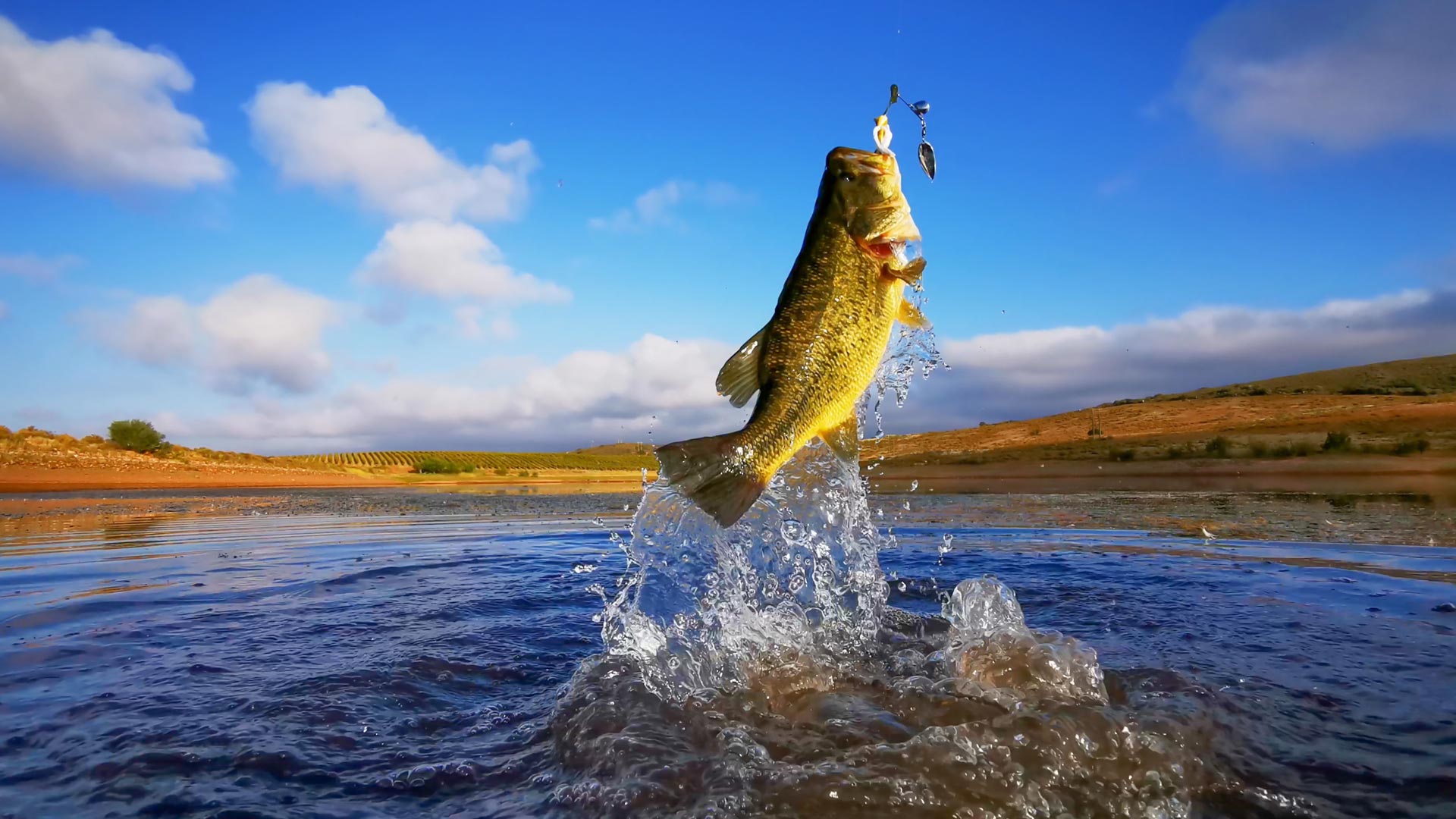
When it comes to catching largemouth bass, success hinges not only on passion but also on knowledge and preparation. Both novice anglers and seasoned veterans can benefit from understanding the nuances of bass fishing, from ideal habitats to the right gear and techniques.
"Understanding the behavior of largemouth bass is crucial," said fishing expert John Mitchell. By learning about their preferred habitats, feeding habits, and seasonal movements, anglers can significantly boost their chances of landing a catch.
"Understanding the behavior of largemouth bass is crucial,"

Largemouth bass thrive in a variety of freshwater settings, including lakes, rivers, and ponds. They often favor areas with ample cover, such as submerged foliage, rocks, and fallen trees, which provide both shelter and ambush points. Identifying these prime fishing spots is essential for any angler looking to reel in a trophy fish.

"Bass are opportunistic feeders," explained local fishing guide Sarah Thompson. "They go after baitfish, insects, and even frogs depending on what’s available in their environment." Understanding these dietary preferences helps anglers select the right [lures](/gear/fishing-lure) and presentations.
"Bass are opportunistic feeders,"
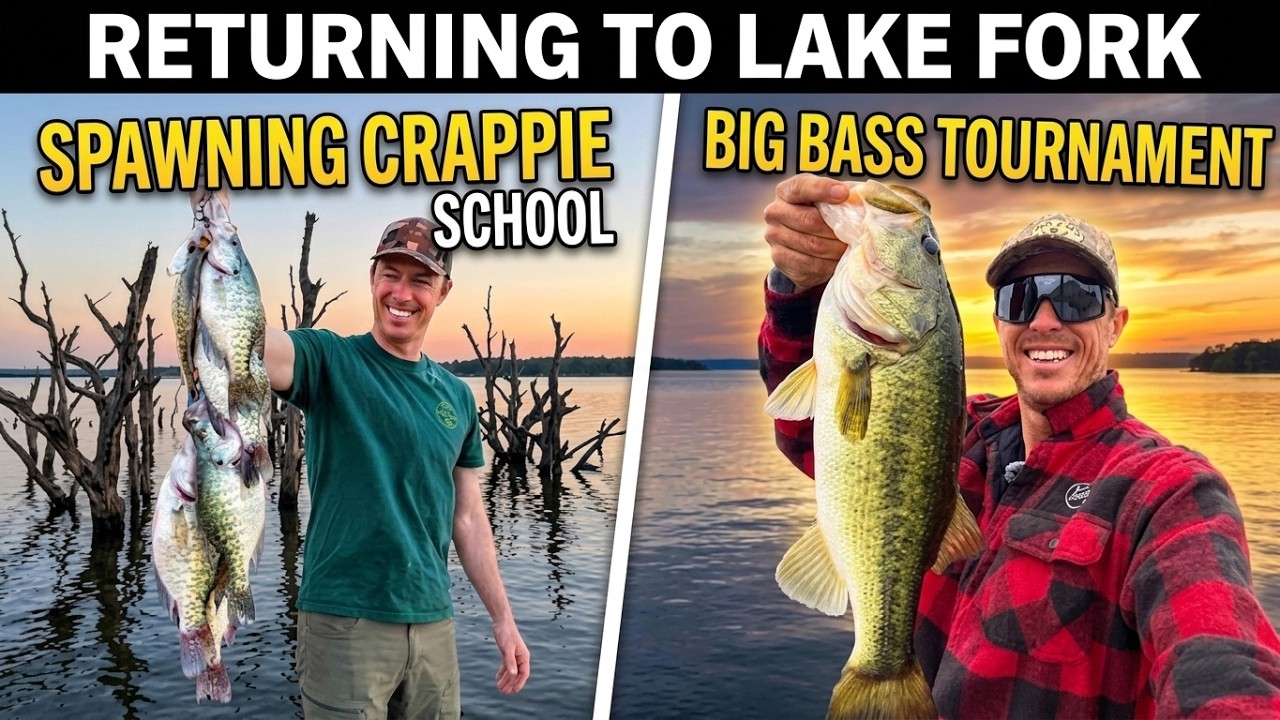
Seasonal movements also play a significant role in bass habits. For instance, in springtime, bass migrate to shallow areas to spawn. As water temperatures rise, especially in summer, they retreat to cooler, deeper waters. This seasonal pattern, as Thompson noted, is critical: "Knowing when and where to find bass based on temperature changes can make or break your fishing trip."
Equipping oneself with the right gear is just as vital as understanding the fish's behavior. "A quality bass rod is an investment that pays off," recommended tackle store owner Marcus Lee. "For most bass fishing, a medium to medium-heavy power rod around 7 to 7.5 feet in length offers the ideal sensitivity and distance."
"A quality bass rod is an investment that pays off,"
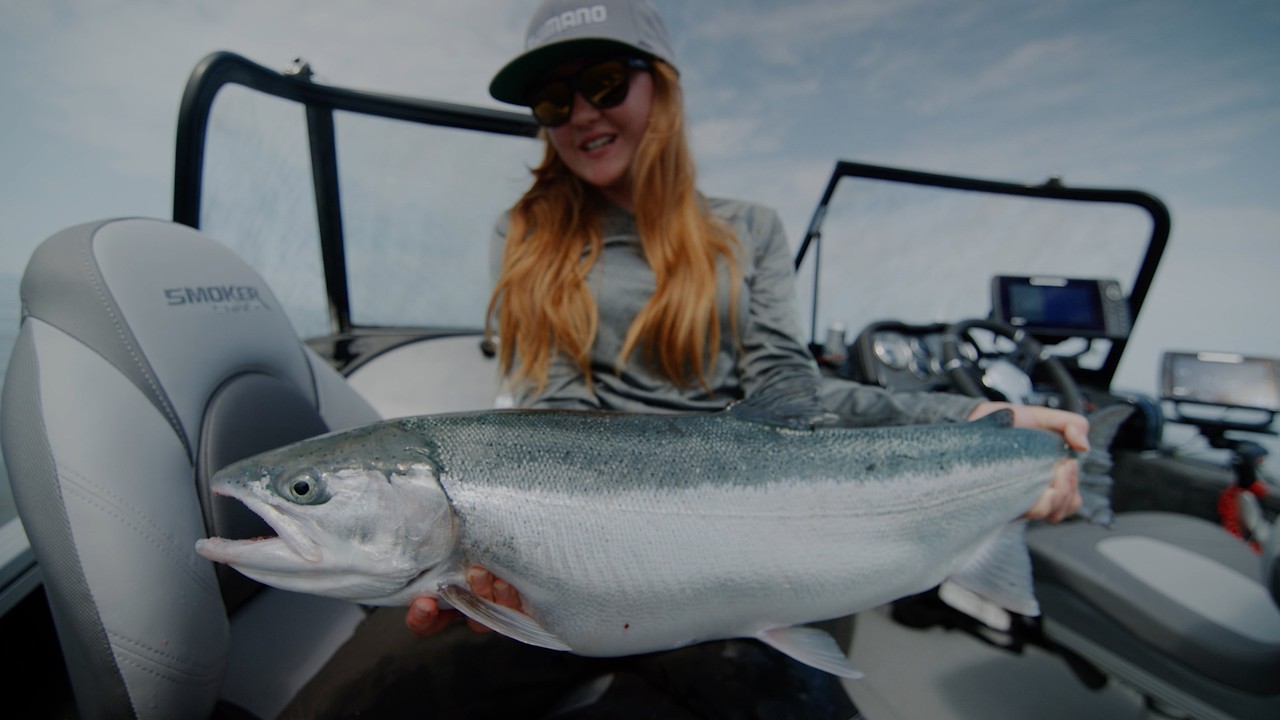
Pairing your rod with the correct reel is the next step. According to Lee, baitcasting reels are the go-to choice for bass anglers due to their accuracy and control. "Look for a reel that offers a smooth drag system and a high gear ratio," he advised. "These features allow for quick retrievals and handling of those hard-fighting bass."
"Look for a reel that offers a smooth drag system and a high gear ratio,"

Another essential factor in choosing gear is the fishing line. "Fluorocarbon lines are incredibly popular because they are virtually invisible underwater," said veteran angler Rachel Green. "But sometimes, you might prefer braided line for its strength and durability. It all depends on your fishing conditions."
"Fluorocarbon lines are incredibly popular because they are virtually invisible underwater,"
Bait selection is equally paramount in the quest for largemouth bass. These fish can be notoriously picky, emphasizing the need for diverse lures. As more experienced anglers emphasize, having a well-rounded arsenal that includes everything from topwater lures to jigs can be a game changer. "Mix it up and see what they’re striking on that day," suggested Green.
"Mix it up and see what they’re striking on that day,"
In addition to the right gear, mastering a variety of fishing techniques is key. The basic skills of casting, flipping, and pitching are essential to make an effective presentation. "Developing versatility in your skills will help you adapt to different environments and conditions," Thompson advised.
"Developing versatility in your skills will help you adapt to different environments and conditions,"
Impact and Legacy
Learning to fish at different times of day can also impact success. Many anglers find that dawn and dusk attract more bass activity. "Topwater lures can be quite effective during these times," noted Mitchell, who added, "As the day heats up, switch to deeper diving lures to keep your catch flowing."
"Topwater lures can be quite effective during these times,"
Every seasoned angler has tips and tricks that can help improve fishing success. Whether it involves practicing patience and stealth in your approach or refining your bait presentation techniques, these insights are invaluable. "The key is to stay adaptable and observant," concluded Thompson. “Fishing is as much about the experience as it is about the catch. When you understand the bass and their environment, you’re one step closer to a successful outing.”
"The key is to stay adaptable and observant,"
Armed with these strategies and insights from experienced anglers, you're now better prepared for your next bass fishing adventure. Understanding the behavioral patterns, employing the right gear, and mastering fishing techniques will not only enhance your skills but also ensure that every trip to the water is both rewarding and enjoyable.