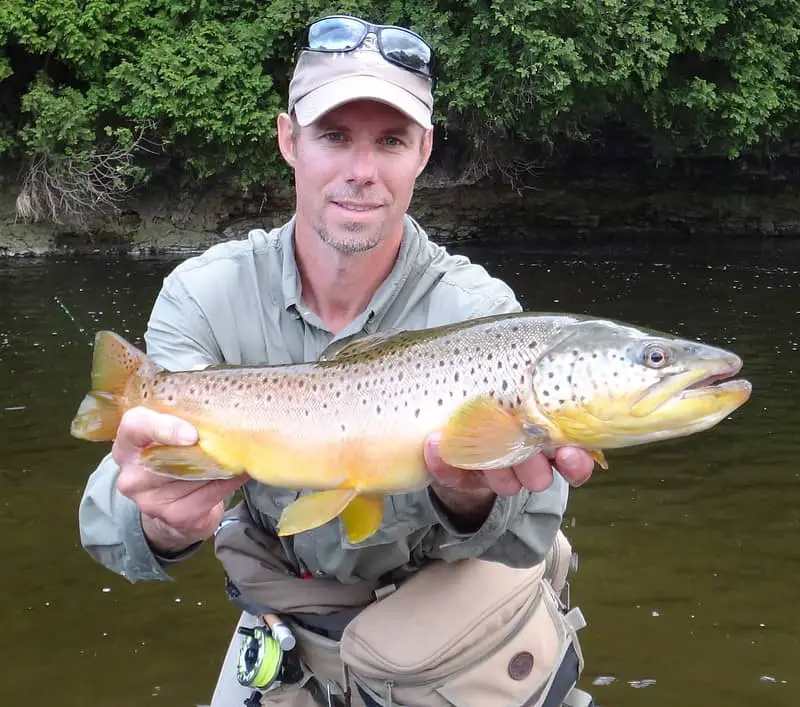
Holding a sizable brown trout caught on a small fly, a seasoned trout guide illustrates the art of fishing in his training sessions. With over 22 years of guiding experience and more than 37 years of personal fishing, he aims to impart critical wisdom to both novice and experienced anglers.
"Learn from experts,” said the guide, emphasizing the importance of seeking knowledge from reputable sources. He points out that many popular fishing websites perpetuate misinformation, making it challenging for anglers to improve their skills.
"Unfortunately, there is a lot of bad information coming from top websites and chat forums that make learning how to fish for trout more difficult for new anglers." He urges readers to critically evaluate the advice they encounter online, especially when searching for effective fishing techniques.


As he delves into common misconceptions, he reflects on some recent searches he conducted. "One website states, 'Most trout over a foot long cut flies and insects out of their diet.' This is utter crap! I have hundreds of happy clients who have landed big trout over 20 inches on small flies."
The guide is particularly outspoken regarding the equipment often recommended by these sites. "I’d never use a recommended trout kit even if they gave me a lifetime supply for free because just about everything in it is crap," he stated firmly.
"I’d never use a recommended trout kit even if they gave me a lifetime supply for free because just about everything in it is crap,"
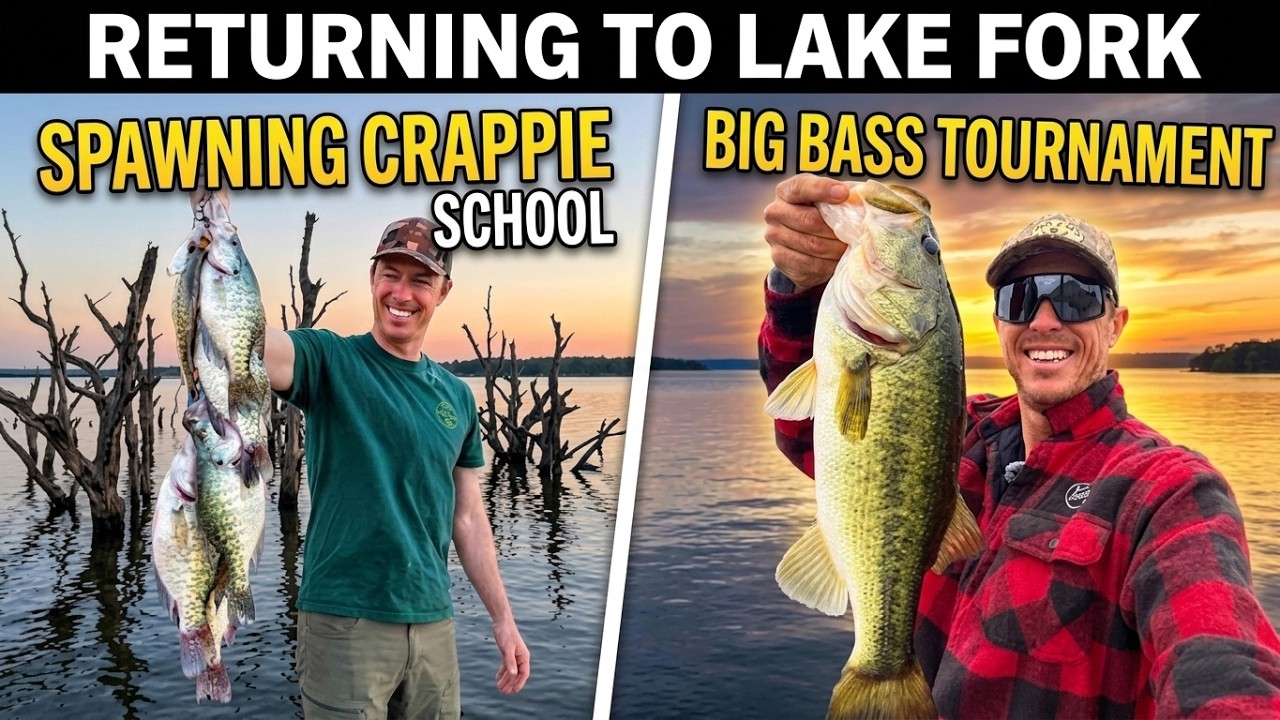
He critiques shiny split shots with removable tabs, labeling them as a way to spook big trout. "No good guide or angler uses red and white bobbers. Honestly, the second I see someone recommend these, they lose all validity," he remarked, highlighting the frustration he feels when confronted with poor advice.
In terms of hooks, he stresses quality, saying, "Trout guides use high-quality wide-gape hooks like the Raven Specimen hook or Gamakatsu Octopus hooks." This detail serves as a reminder that serious anglers prioritize effectiveness and reliability in their gear.
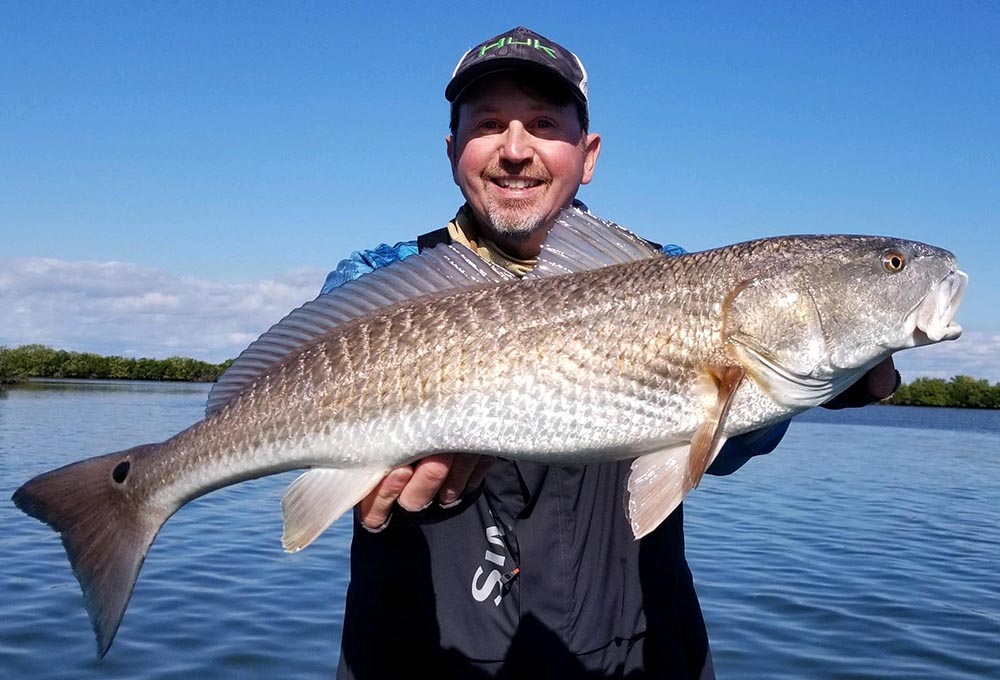
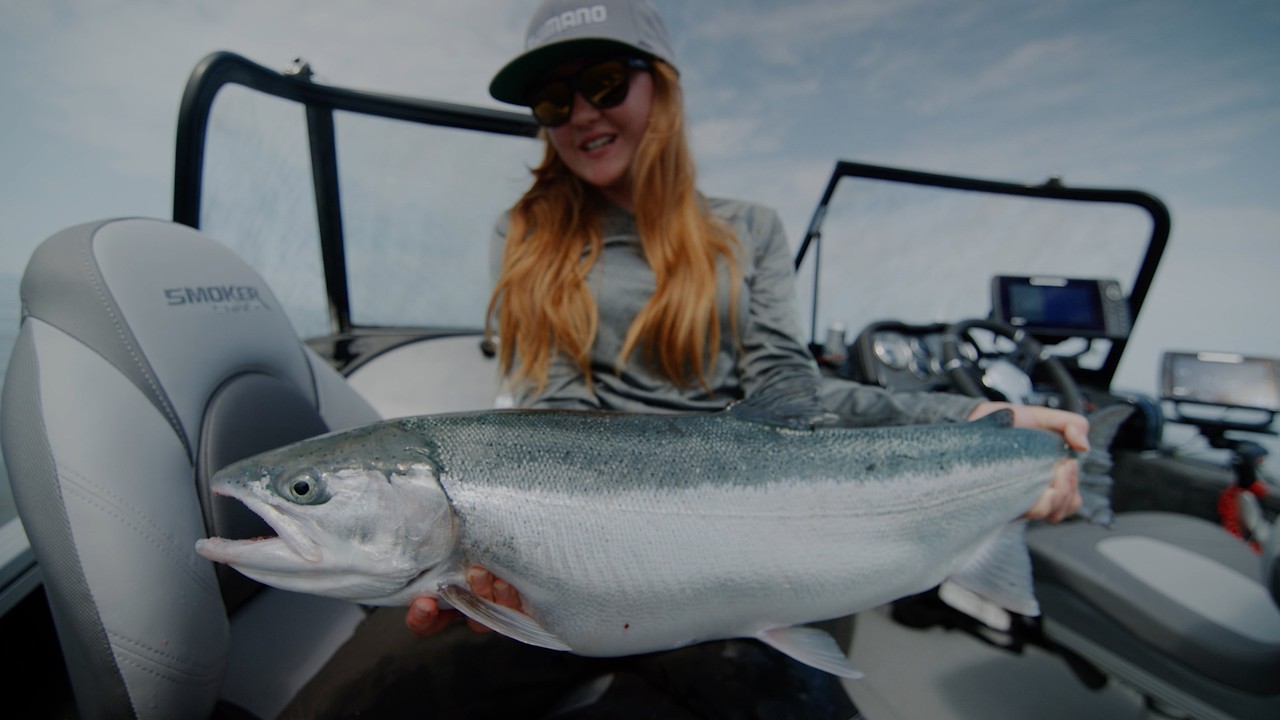
Demonstrating a catch made with a surprisingly small fly, the guide adds, "This trout is proof that big trout eat small flies. The fly we used was so small my client said it looked like belly button lint." This success story serves to reinforce his point that common assumptions about bait size can be misleading.
He continues by dismantling other widespread myths about trout fishing, such as the use of corn and marshmallows as bait. "Sure, some dumb-stocked trout will eat corn sometimes! But there are so many better and more effective baits, why would anyone want to make it harder to catch trout with low percentage bait like corn or marshmallows?" His experience shapes his straightforward viewpoint that maximizing effectiveness involves choosing the right bait.
Regarding fishing techniques, he corrects the notion of maintaining a high rod tip when reeling in a trout. "If you watch pro anglers fight a fish, they often keep their rod tip low to the water and apply side pressure. This ensures that the fish doesn’t come off easily and comes in faster," he explained, offering insight into a common error novices often make.
He even addresses the proper way to hook a worm, dismissing incorrect practices that lead to less effective fishing. "I love guys that ball up their worm on the hook... because I know they WON’T catch big trout, and that means they leave lots for me and my clients."
With such emphatic advice, the guide encourages anglers to adopt effective methods rather than clinging to outdated beliefs. He concludes, emphasizing the importance of fishing during optimal times, effectively reading the water, and utilizing high percentage baits.
In a sport that thrives on tradition, the trout guide’s insights serve as a refreshing reminder that there is always more to learn. As he prepares for another day on the water, he leaves aspiring fishermen with this essential wisdom: Always seek the best practices from those who know the trade.
With tournaments on the horizon and a new crop of anglers eager to learn, the guide has set a bar high for both himself and his clients, continuing to reinforce the belief that success in trout fishing lies not just in technique, but in the willingness to learn and adapt.