Bass fishing continues to capture the interest of anglers across the United States, providing an accessible and exhilarating fishing experience. With a variety of bass species available in lakes and rivers, beginners have ample opportunity to hone their skills. As the age-old adage goes, getting started is often the hardest part.
"If you’re looking to start reeling them in, we’ve got the fishing gear and advice you need," said Brian V., a fishing expert with extensive knowledge in aquatic sports. It's crucial to understand not just the techniques, but also the best times and places to fish for bass.
"If you’re looking to start reeling them in, we’ve got the fishing gear and advice you need,"

Understanding different types of bass can significantly improve your chances of a catch. Targeting black bass species like smallmouth and largemouth bass is an effective strategy. These varieties are known for their tenacity and ability to put up a good fight, making them an excellent choice for both novice and experienced anglers.

Identifying where to fish is essential. "Streams, rivers, ponds, natural lakes, and man-made reservoirs are all good spots to find bass," advised Brian. In your search for ideal fishing grounds, it's important to look for water that boasts clarity with ample forage. "Once you've found your body of water, look for cover that attracts bait fish like minnows, crawfish, and shad," he added, emphasizing that bass thrive in environments where they can ambush prey.
"Streams, rivers, ponds, natural lakes, and man-made reservoirs are all good spots to find bass,"
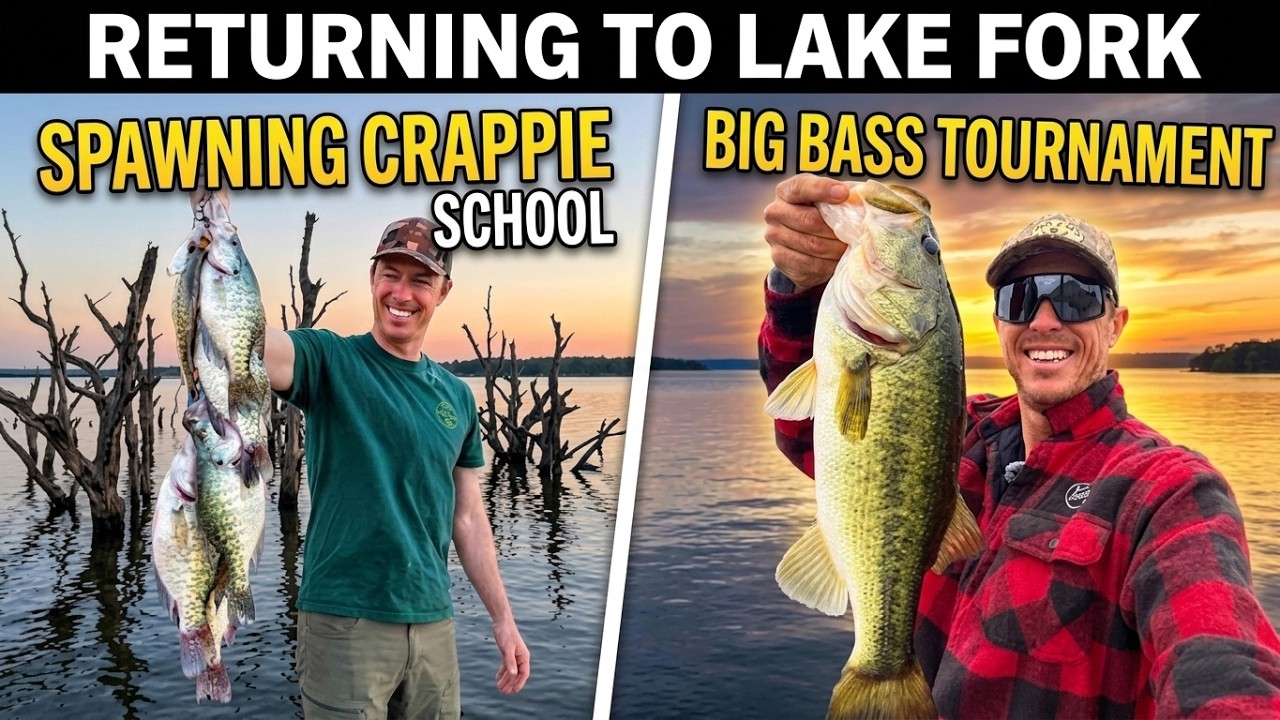
Timing plays a critical role in bass fishing as well. Typically, the optimal periods for fishing are dawn and dusk. "Bass hunt and feed in low-light environments meaning that when the sun is high in the sky, the bass probably aren’t biting," noted Brian. Overcast days can also yield excellent fishing conditions, prolonging the hours bass are active due to reduced light levels.
"Bass hunt and feed in low-light environments meaning that when the sun is high in the sky, the bass probably aren’t biting,"
When it comes to equipment, having the right gear is paramount. An effective starter setup includes a 7-foot medium-heavy baitcasting rod matched with a baitcasting reel that boasts a gear ratio of 7.1:1. "This gear ratio should be well-suited for just about anything, giving you a great starting point," Brian stated regarding entry-level bass gear. Utilizing line strength between 8-15 lbs. is advised, with 10-12 lbs. being ideal for crankbaits.
"This gear ratio should be well-suited for just about anything, giving you a great starting point,"
For those who prefer a lighter approach, spinning gear can also be beneficial. A medium-light rod paired with 4- or 6-pound line has proven effective in various fishing competitions. As Brian highlighted: "Making your line and lure smaller means a larger number of different-sized fish can eat the bait, potentially leading to more strikes."
When it comes to bait and lures, a select few options can often cover most fishing scenarios. "A small swimbait on a jighead works well especially on light gear, while buzzbaits are beginner-friendly since they can be kept at the water's surface with easy retrieval," Brian explained. Crankbaits are another great choice for new anglers due to their versatility.
"A small swimbait on a jighead works well especially on light gear, while buzzbaits are beginner-friendly since they can be kept at the water's surface with easy retrieval,"
For those preferring live bait, options such as shiners, shad, or simple worms can be highly effective in attracting bass. Brian emphasized that live bait often prompts bass to strike more aggressively, providing an authentic fishing experience.
Rigging for bass can be simplified by using a Texas rig, which is particularly advantageous for maneuvering through thick cover. "They’re one of the first rigs a bass angler should learn and you don’t need much to set one up," explained Brian. A basic setup requires a soft plastic bait of your choice, an offset or straight shank fishing hook, and about a foot of leader line.
"They’re one of the first rigs a bass angler should learn and you don’t need much to set one up,"
Career Journey
As you embark on your bass fishing journey, remember that patience and practice make perfect. There’s a learning curve to each technique, but by utilizing the right equipment and knowledge, you’re setting yourself up for a successful outing on the water. With a little effort and understanding, anyone can experience the thrill of catching bass.