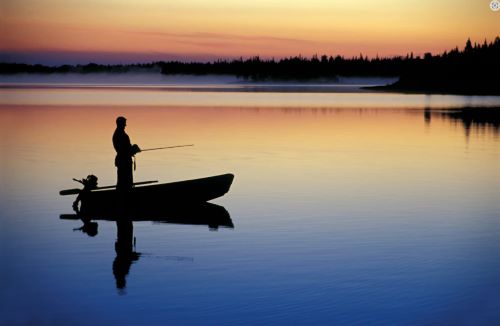
Every spring in British Columbia, enthusiastic anglers eagerly anticipate the chance to cast their lines on the still-cooling waters of local lakes. While many fishermen consider methods such as fly-fishing or trolling, these may not yield consistent results immediately after the ice melts. "Another great method you can try is bait-fishing," advises Nick Basok, an experienced angler. This technique proves particularly effective during early spring when insect activity is minimal, making trout, kokanee, and char increasingly eager for a bite.
"Another great method you can try is bait-fishing,"
To embark on a successful bait-fishing trip, you'll need the right equipment. Recommended gear includes six- to 10-pound-test monofilament or braided line paired with a small spinning reel. "Using a 1.8- to 2.75-metre (6- to 9-foot) ultra-light spinning rod rated for four- to 10-pound-test line is crucial," Basok notes, emphasizing the importance of proper tackle in optimizing fishing conditions.

Terminal tackle should feature single barbless bait hooks in sizes #6 to #4, along with egg-style slip weights ranging from ¼- to 3/8-ounce. Additionally, small barrel swivels (size #10 to #14), float stops, and 10- to 15-gram fishing floats are essential components of your setup. When it comes to bait options, Basok suggests experimenting with krill, deli shrimp, single salmon eggs, worms, or Power Bait.

Anglers can deploy their bait in two primary ways: via float fishing or bottom fishing. According to Basok, "Float-fishing is best in shallow waters of one to five metres (three to 15 feet), especially over weed beds." This method requires careful adjustment of the float to situate the bait just off the bottom, avoiding any underwater obstacles.
Alternatively, bottom fishing is ideal for deeper waters ranging from five to 20 metres (15 to 60 feet). Here, anglers can place their bait right on the lake bed or, when fishing from a boat, suspend it slightly above the bottom. To enhance the chances of attracting fish, it is advised to move your bait occasionally. "Moving your bait every once in a while covers more water, exposing your offering to more fish and improving the odds of getting hook-ups," Basok explains. He cautions that initial bites can be subtle, highlighting the effectiveness of ultra-light gear for both seasoned and novice anglers alike.
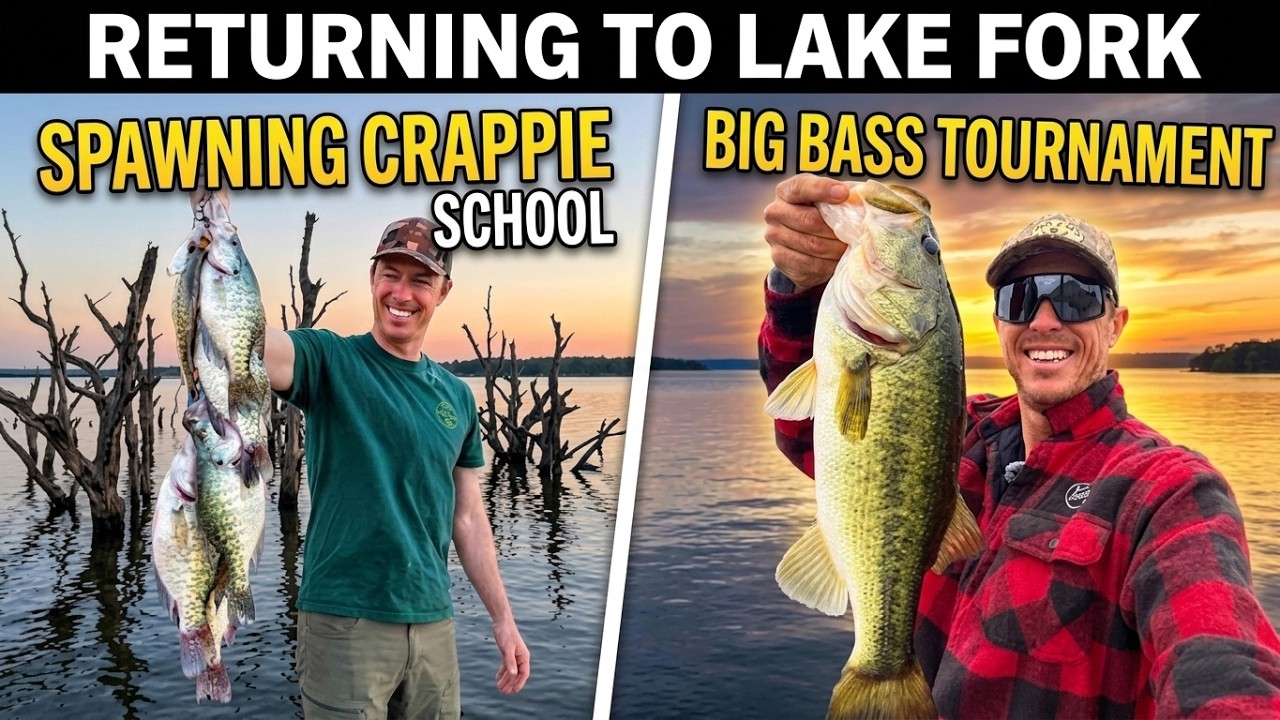
"Moving your bait every once in a while covers more water, exposing your offering to more fish and improving the odds of getting hook-ups,"
Career Journey
Finding fish remains a crucial element of any fishing strategy. "Be observant: look for moving fish, watch your fishfinder, and pay attention to areas where others are having success," Basok advises. The art of bait fishing, especially in early spring, offers remarkable potential for hooking trout, but awareness of potential regulations is also necessary. Basok warns, "Please note that in every region of the province, there are some bodies of water where the use of bait is not permitted. Be sure to check the regulations for the places you wish to fish."
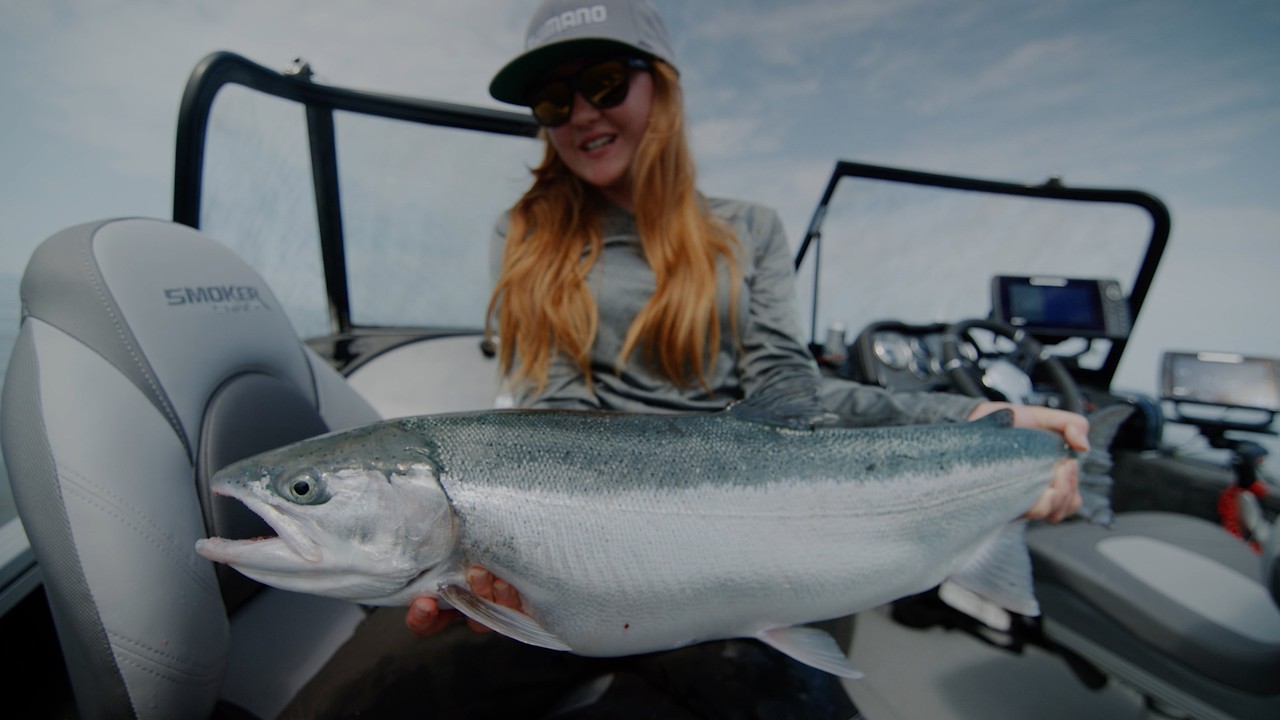
"Be observant: look for moving fish, watch your fishfinder, and pay attention to areas where others are having success,"
Career Journey
Ultimately, the essence of bait-fishing lies in the experience of each trip. "On most days, a bite is a bite, and most anglers aren’t fussy about whatever method is used to get one; after all, it’s all in a day’s fishing," Basok concludes. With the right approach and timing, early season lake fishing can provide thrilling rewards, solidifying its place in the hearts of dedicated fishing enthusiasts.
"On most days, a bite is a bite, and most anglers aren’t fussy about whatever method is used to get one; after all, it’s all in a day’s fishing,"
