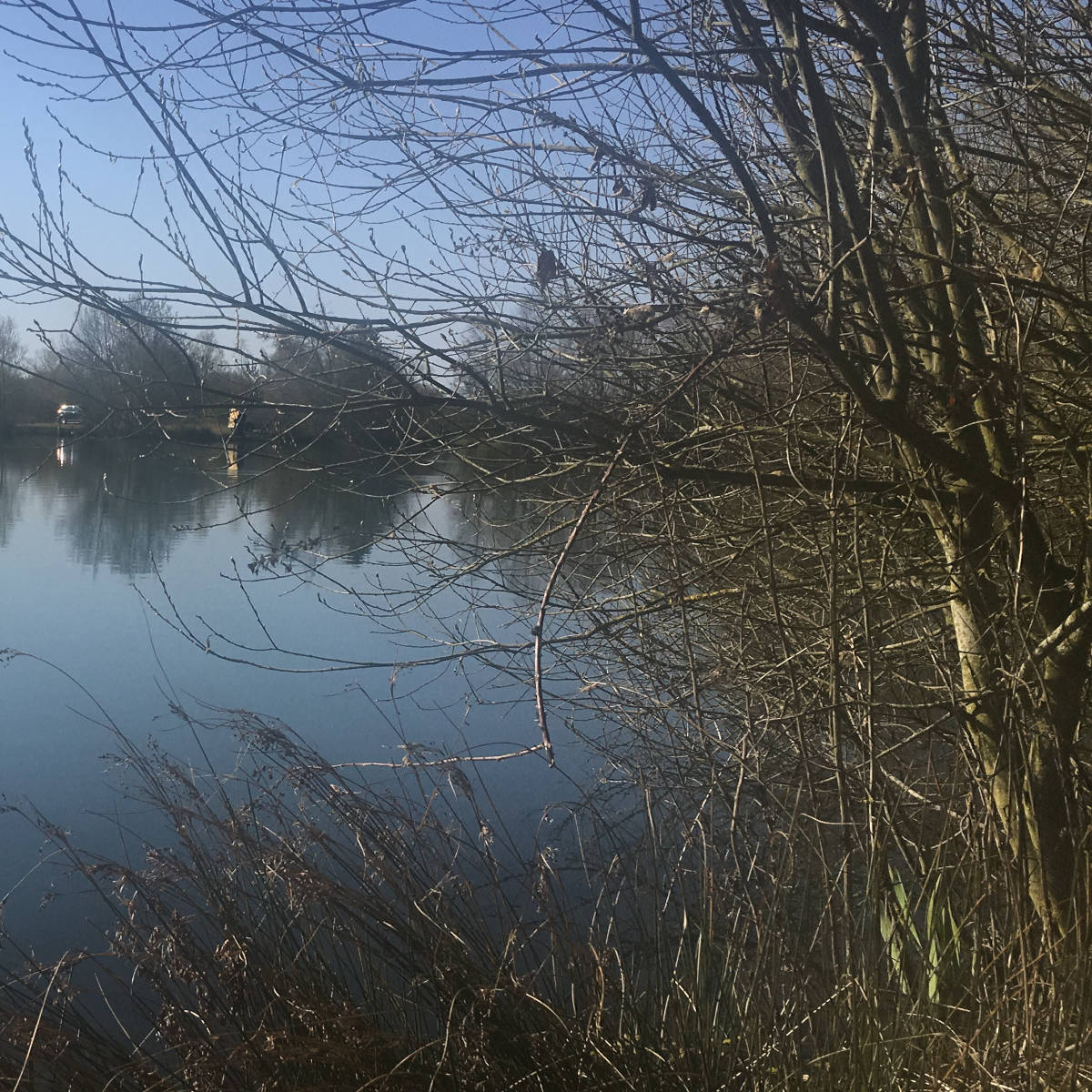
Fishing has long been celebrated as a soothing activity, one that melds adventure with relaxation. For novices, lake fishing presents a unique environment conducive to learning. This method allows beginners to familiarize themselves with fishing fundamentals without the overwhelming elements present in rivers or oceans. As the serene waters of a lake often offer predictable fish behaviors, aspiring anglers can focus on the essential skills needed to succeed.
"Lake fishing involves catching fish in a freshwater body of water surrounded by land," said Alex Turner, an experienced angler. Understanding that lakes can vary greatly in size, depth, and fish species is crucial. These characteristics allow for a more fixed fishing technique, making it easier for beginners to get started.
"Lake fishing involves catching fish in a freshwater body of water surrounded by land,"

A key factor in ensuring an enjoyable fishing experience lies in the choice of equipment. "The right gear can significantly influence both your enjoyment and your success on the lake," explained Turner. He suggests several items that every angler should consider:
"The right gear can significantly influence both your enjoyment and your success on the lake,"

First, a spinning rod and reel combo is highly recommended for newcomers due to its versatility and ease of use. Opt for a medium-light to medium-power rod that balances strength with sensitivity, allowing anglers to feel the slightest bites.
Alongside the rod, a strong yet flexible monofilament fishing line, typically in the range of 6-10 pound test, is ideal for beginners. "It's easy to manage, holds knots well, and is budget-friendly," noted Turner.
"It's easy to manage, holds knots well, and is budget-friendly,"
Hook sizes 6 to 10 will be beneficial for catching small to medium fish, common in many lakes. Moreover, incorporating bobbers into your setup provides a visual indicator when fish are biting. This is especially helpful for newcomers learning to read their equipment.
Sinkers also play an important role in the fishing process by helping bait reach the desired depth. Turner suggests using split-shot sinkers for their versatility. Finally, whether using live bait such as worms or minnows or opting for artificial lures like spinners and jigs, the choice ultimately depends on personal preference and local fish habits.
When it comes to selecting a fishing location, not every area of a lake is equally productive. Turner emphasizes, "Shorelines and drop-offs are often hotspots for fish, as they provide areas of cover and feeding opportunities." Identifying these features can significantly improve your chances of a successful outing.
Career Journey
Additionally, fish tend to gravitate towards aquatic plants like reeds and lilies, which offer shelter and food. Structurally rich spots, such as submerged rocks or fallen trees, also serve as excellent fishing grounds. "Time of day can affect fish activity as well; early morning and late afternoon are prime fishing times," Turner advised.
"Time of day can affect fish activity as well; early morning and late afternoon are prime fishing times,"
Mastering basic fishing techniques is pivotal for beginners. "For a successful cast, hold the rod with your dominant hand, pull back the line, and swing the rod forward in a fluid motion," said Taylor Williams, a local fishing guide. Timing the line release precisely will ensure the bait lands where desired.
"For a successful cast, hold the rod with your dominant hand, pull back the line, and swing the rod forward in a fluid motion,"
Once a fish bites, effective hook setting becomes crucial. "When you feel a tug, lift the rod tip to secure the hook in the fish's mouth," Williams stated. Afterward, maintaining steady pressure while reeling in is essential. "Avoid reeling too quickly to minimize the risk of losing the fish."
"When you feel a tug, lift the rod tip to secure the hook in the fish's mouth,"
As the fish approaches, patience is key. "Larger varieties may struggle as they tire themselves out, so let them pull against the drag of your reel before bringing them in," Williams continued, offering insight into the importance of understanding fish behavior.
"Larger varieties may struggle as they tire themselves out, so let them pull against the drag of your reel before bringing them in,"
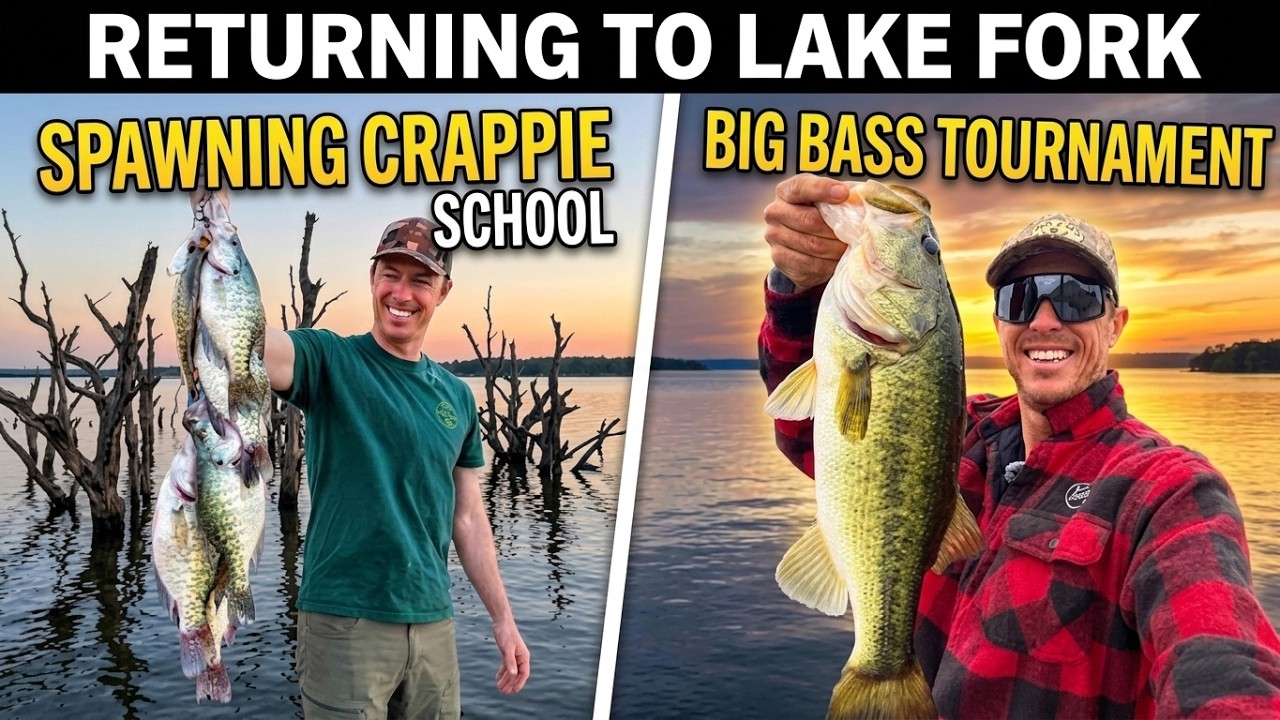
In various lakes, anglers may encounter diverse fish species, each requiring different strategies. The largemouth bass, known for its fighting spirit, is a favorite for many freshwater enthusiasts. "They tend to hide near vegetation and submerged structures," noted seasoned angler Samuel Hayes.
"They tend to hide near vegetation and submerged structures,"
For beginners, bluegill serves as an ideal target due to their abundance and accessibility. Hayes highlighted, "They tend to be closer to the shoreline and can be caught using basic bait like worms." Crappie, another popular catch, are often found near submerged structures, making knowledge of one’s fishing environment an asset.
Career Journey
In conclusion, beginning your lake fishing journey involves understanding the environment, choosing the right gear, and implementing effective techniques. With practice and patience, novice fishers can enhance their skills and enjoy the serene nature of lake fishing, transforming uncertainty into great catches.