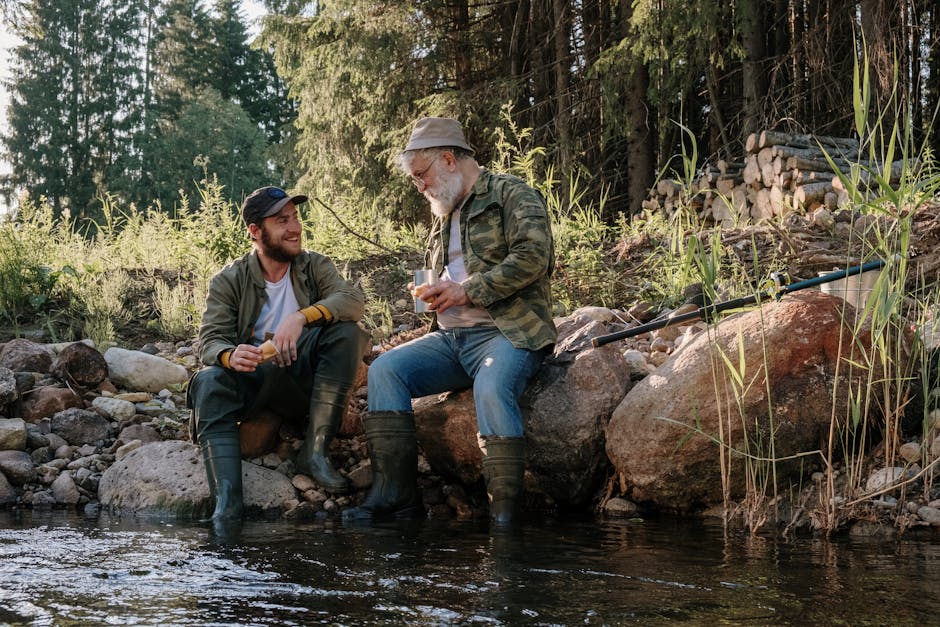
The thrill of crappie fishing does not have to be limited to boaters alone. Bank fishing can yield excellent results for anglers willing to adapt their techniques. Whether you're a novice or a seasoned fisherman, understanding key locations and the right methods can result in a successful outing.
To embark on your crappie fishing adventure from the bank, the first step is to identify a suitable waterway that houses these fish. "Not all lakes contain black or white crappie. In my experience, the bigger the lake, pond or waterbody, the better the odds are that it contains crappie," said an experienced angler. Research is essential here, as pinpointing a location with accessible bank fishing options is crucial. Local public lakes or fishing areas often feature amenities like docks or raised piers, making access simpler.
Once you have selected a potential fishing site, focus your attention on features along the bank that are conducive to crappie habitation. The ideal spots usually include structures such as docks and levees that extend into deeper waters. "Many public lakes all over the country have fishing piers, catwalks, and even man-made dikes that extend out to make access easier,” noted a local fishing expert.


If docks are scarce, consider natural structures like logs, downed trees, or sandbars. These elements can improve the likelihood of reaching deeper waters where crappie are typically lurking. It's also advisable to utilize tools like Google Earth to scout for bank fishing access in your vicinity.
Next, targeting specific areas that likely harbor crappie is key. The fish prefer structures for cover, so look for submerged trees or vegetation like cypress or willow trees. “Just like their cousin the bass, crappie will hold tight to cover. Look for downed timber, shallow vegetation, cattails, lily pads, docks, and pilings,” explained a crappie enthusiast.
Impact and Legacy
Man-made fish attractors, like PVC Crappie Trees, can also serve as productive spots for catching crappie. It may require some experimentation to find where the fish are actively feeding. A seasoned angler shared their approach: “I like to start off deep and slowly work my way shallow.” Understanding the seasonal movement of crappie can significantly influence your success. Typically, during the scorching days of summer and frigid winter months, crappie retreat to deeper waters, whereas in spring and fall, they move closer to cover.
Community knowledge can greatly enhance your fishing experience. Local bait shops are often rich in valuable insights. "Your local bait and tackle shop is a wealth of knowledge! The owners and employees talk to fishermen every day. Ask them for some tips or a point in the right direction; they are always willing to help!” emphasized one enthusiastic fisherman advocating for utilizing local resources.
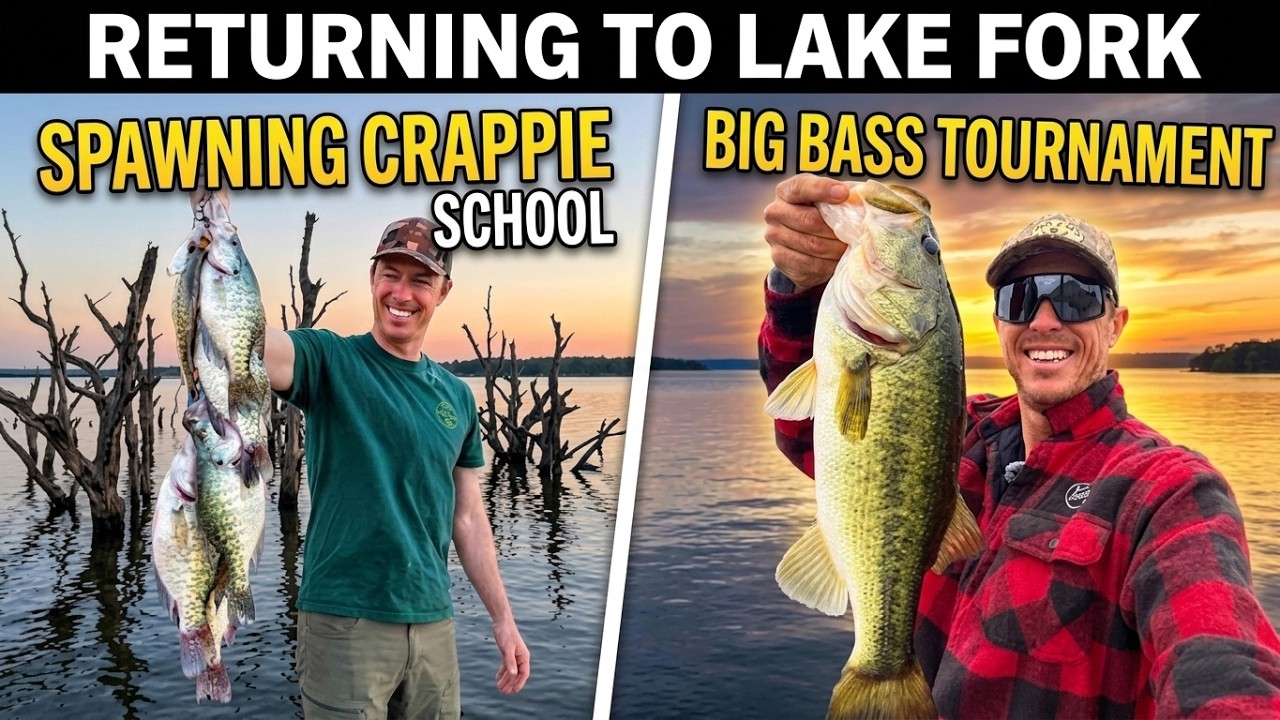
Timing is another pivotal factor when it comes to crappie fishing from the bank. The best fishing periods are during spring when crappie migrate to shallow waters for spawning. "Females will move shallow and lay between 3,000-15,000 eggs when the water temperature reaches 55-65 degrees," said an expert on seasonal patterns. Once you recognize these spawning behaviors, you can target areas like old logs or submerged vegetation, which are ideal spots for egg deposition.
"Females will move shallow and lay between 3,000-15,000 eggs when the water temperature reaches 55-65 degrees,"
Crappie are most active during dawn and dusk or on overcast days, but don’t be dissuaded if sunlight is bright. On sunny days, focus on deeper waters or shaded areas beneath structures that offer coverage.
Bridges represent another top choice for bank anglers targeting crappie; they provide essential shade and access to deeper water. “You can often find public access either on top or at the bottom where you can drop your baits along the pilings,” recommended an expert in fishing techniques.
Race Results
When gearing up for crappie fishing, the choice of tackle and bait should complement the conditions and locations you’re fishing. Vary your bait selection based on the environment for optimal results.
In conclusion, successfully fishing for crappie from the bank requires strategic planning and a willingness to learn. By identifying key locations, understanding seasonal behaviors, and utilizing local resources, anglers can enjoy fruitful fishing experiences. As one local fisherman put it, “Don’t let the lack of a kayak or boat dissuade you; crappie fishing from the bank can be just as rewarding.”