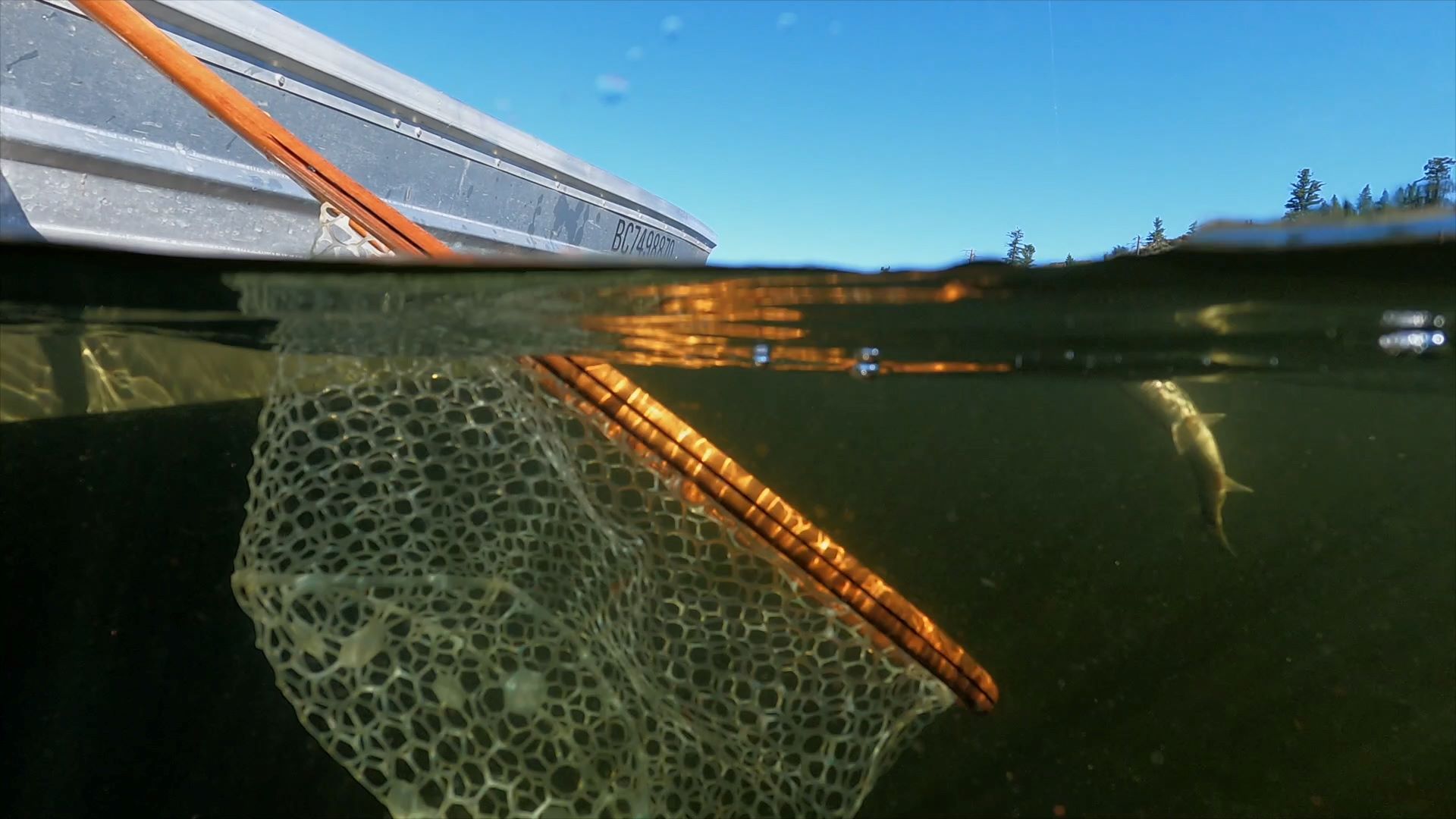
As British Columbia's fishing season approaches, outdoor enthusiasts are preparing for another year of angling adventures across the province's pristine lakes and rivers. For newcomers to the sport, understanding the fundamentals of where, when, and how to fish can transform what might be a frustrating experience into a rewarding outdoor pursuit.
The key to successful angling lies in understanding fish behavior and habitat preferences, according to experts from the Freshwater Fisheries Society of BC. "Determining a fish's food source is the key to angling success!" said an expert from the organization, emphasizing that this foundational principle guides both species selection and technique choice.
This approach becomes particularly important when considering the vast diversity of fishing opportunities available across British Columbia. The Freshwater Fisheries Society of BC maintains an extensive stocking program, releasing fish into over 800 lakes and rivers annually. Many of these locations are furnished with 'catchables'—trout that are immediately ready to be caught following stocking operations, providing excellent opportunities for both novice and experienced anglers.


When it comes to lake fishing, successful anglers focus their attention on shoal areas—the shallow waters that serve as nutrient-rich environments. These zones house aquatic plants and insects that naturally attract fish, creating productive fishing hotspots. Observing the water's surface for signs of fish activity, such as surfacing or jumping, can help anglers identify the most promising locations.
Timing plays a crucial role in fishing success, particularly for popular species like rainbow trout and brook char. These fish thrive during spring and fall when water temperatures remain moderate. "Fish feed most actively in the morning and evening," explained a seasoned angler, highlighting the importance of planning fishing trips around these peak feeding periods. This timing consideration applies whether anglers are casting from shore or trolling from a boat.
"Fish feed most actively in the morning and evening,"
Race Results
For those targeting kokanee, a different strategy is required. These fish prefer cooler waters and are typically found at depths of five to ten meters, where they actively search for plankton. "The best way to fish kokanee is from a boat, slowly trolling," advised a fishing guide. Anglers pursuing kokanee must exercise particular care when setting the hook, as these fish have delicate mouths that can easily tear, resulting in lost catches.
"The best way to fish kokanee is from a boat, slowly trolling,"
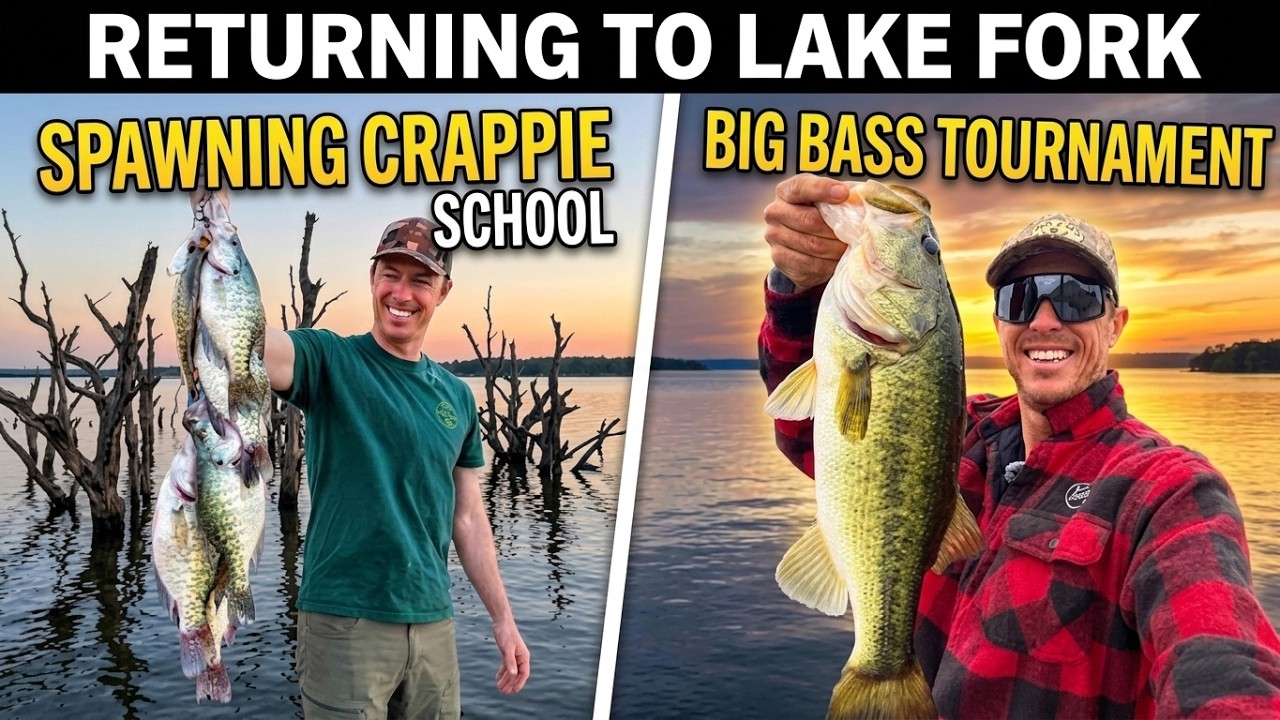
Sunfish species, including bass, crappie, and pumpkinseed, present another exciting opportunity for BC anglers. These fish favor shallow waters rich with structural elements such as weed beds or submerged logs. A fishing expert noted, "Sunfish hang around these structures because they are also home to insects and small fish, their main food sources." Success with sunfish requires patience and adaptability—anglers should be prepared to switch locations every five to ten minutes if bites are scarce, using jigs or worms as preferred baits.
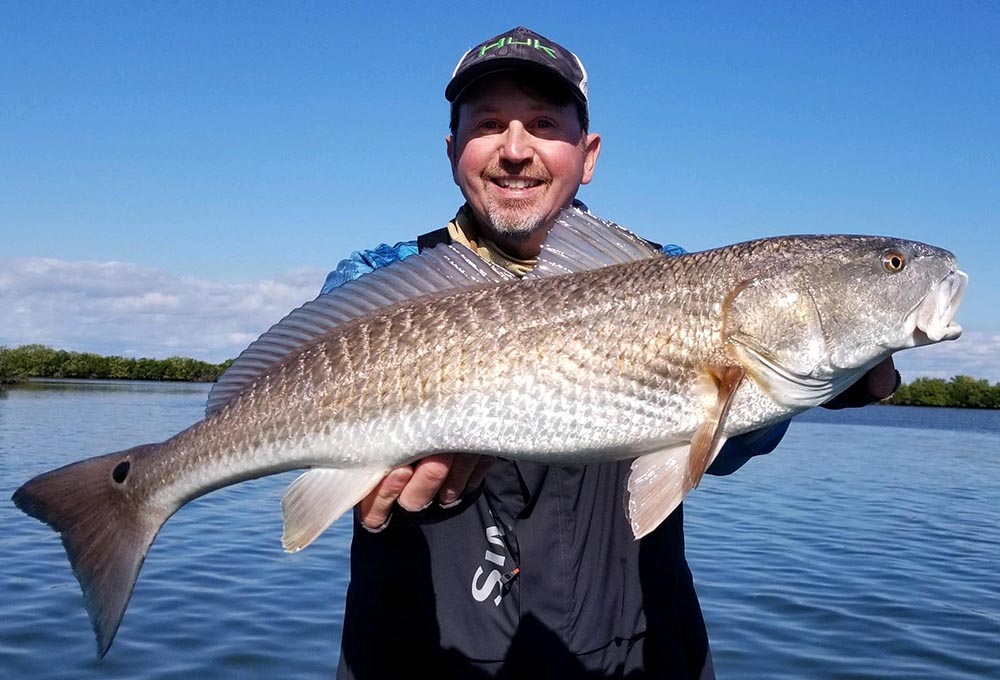
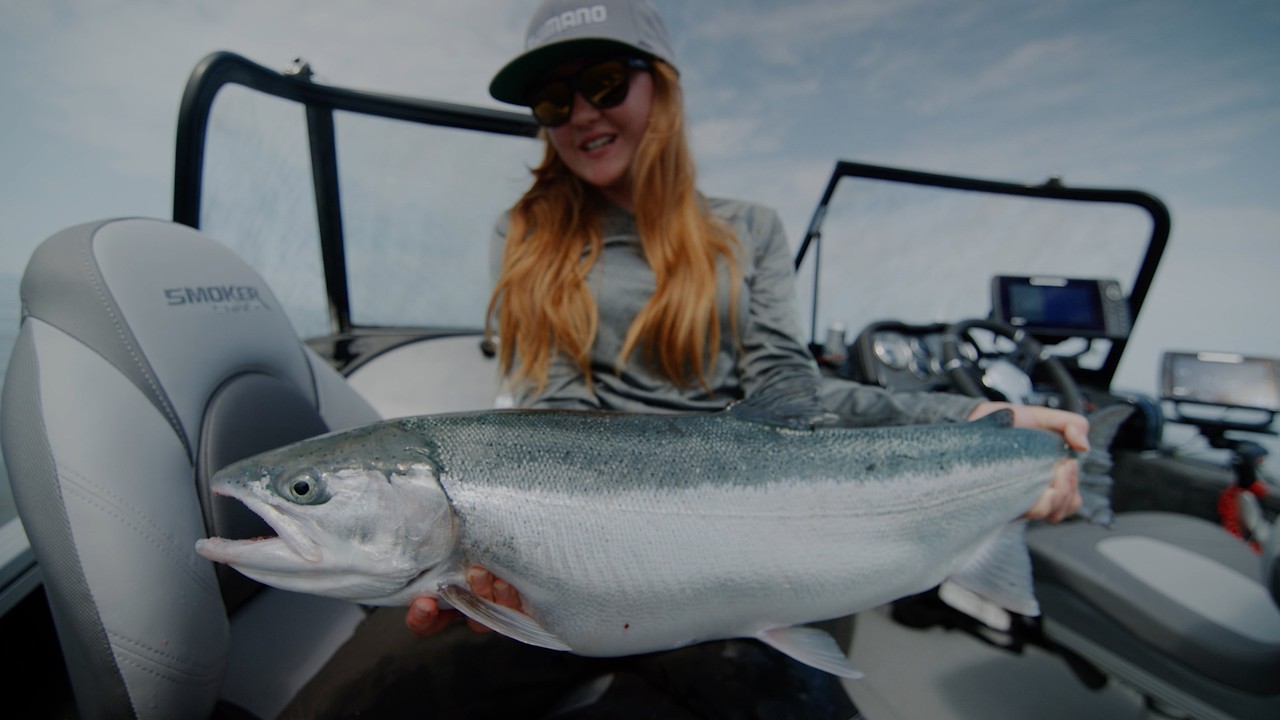
River fishing introduces an entirely different set of considerations and techniques. Species such as rainbow trout, cutthroat trout, salmon, and whitefish are commonly found in pools or runs that form around boulders or woody debris. "Fish like to hold in these productive spots, since they need only use minimal energy while waiting for their next meal to be swept downstream," an expert explained. This behavior makes these locations prime targets for anglers using lures or float fishing with natural baits like worms.
"Fish like to hold in these productive spots, since they need only use minimal energy while waiting for their next meal to be swept downstream,"
The river environment presents unique challenges that lake anglers may not encounter. Despite rivers generally being shallower than lakes, the current strength requires anglers to use additional weight on their lines to maintain proper bait or lure positioning. Keeping offerings within one foot of the bottom is crucial, as this is where fish typically wait for food to drift past.
Current Season
For anglers interested in year-round fishing opportunities, certain species offer extended seasons. Suckers, northern pikeminnow, and chub can be targeted throughout the year in warmer regions of the province. These species show a preference for slower currents, making the warmer waters found in many British Columbia locations ideal habitat.
The wealth of knowledge available from seasoned anglers and organizations like the Freshwater Fisheries Society of BC provides beginners with valuable resources to enhance their fishing experiences. Understanding species-specific behaviors, habitat preferences, and feeding patterns elevates the angling experience from simple recreation to strategic pursuit.
As this season's fishing excursions approach, success will largely depend on attention to detail—knowing where to cast, when to cast, and what equipment to use. These specifics mark the difference between a disappointing day on the water and an exciting adventure filled with catches. For those willing to invest time in learning these fundamentals, British Columbia's beloved lakes and rivers offer countless opportunities for rewarding fishing experiences that combine outdoor adventure with the satisfaction of successfully applying angling knowledge.