Cascade Lake is home to thriving lake trout populations, and to successfully catch these prized fish, anglers must focus on the right conditions and strategies. Ideally, fish in the cold, oxygen-rich waters of 45°F to 54°F. "We recommend targeting areas near shallow shoals and break lines, especially where underwater eddies form," says fishing expert Mark Thompson. This approach is promising, particularly when enhanced by wind activity that stirs up the water.
"We recommend targeting areas near shallow shoals and break lines, especially where underwater eddies form,"
Using sonar is an essential tool for pinpointing depth changes and underwater structures. "A good sonar unit allows you to be more precise, which is important for locating those productive trout spots," Thompson noted. When it comes to tackle, a moderate-action rod paired with a strong drag system is crucial, ensuring better control when battling larger lake trout. Thompson advises, "Fluorocarbon lines are the way to go in clearer water to maintain a stealthy presence."

"A good sonar unit allows you to be more precise, which is important for locating those productive trout spots,"
For those who prefer guidance, booking a guided trip can significantly elevate the fishing experience. "We take care of the gear and know where to find the best spots, making the fishing adventure both productive and enjoyable," explains Jessica Reynolds, a guide specializing in Cascade Lake fishing. With a 50% deposit required for reservations, anglers can secure a full-day experience with expert insights and access to locally cherished locations.
"We take care of the gear and know where to find the best spots, making the fishing adventure both productive and enjoyable,"

By the Numbers
Lake trout, the largest members of the char family, thrive in the cooler waters of North America, particularly in remote Canadian and Alaskan lakes. The average lake trout measures between 24-36 inches and weighs around 10-12 pounds, with some record-breaking specimens reaching as much as 72 pounds. "Their size and power make them quite the catch, but understanding their behaviors and habitats can significantly improve angler success,” Reynolds adds.
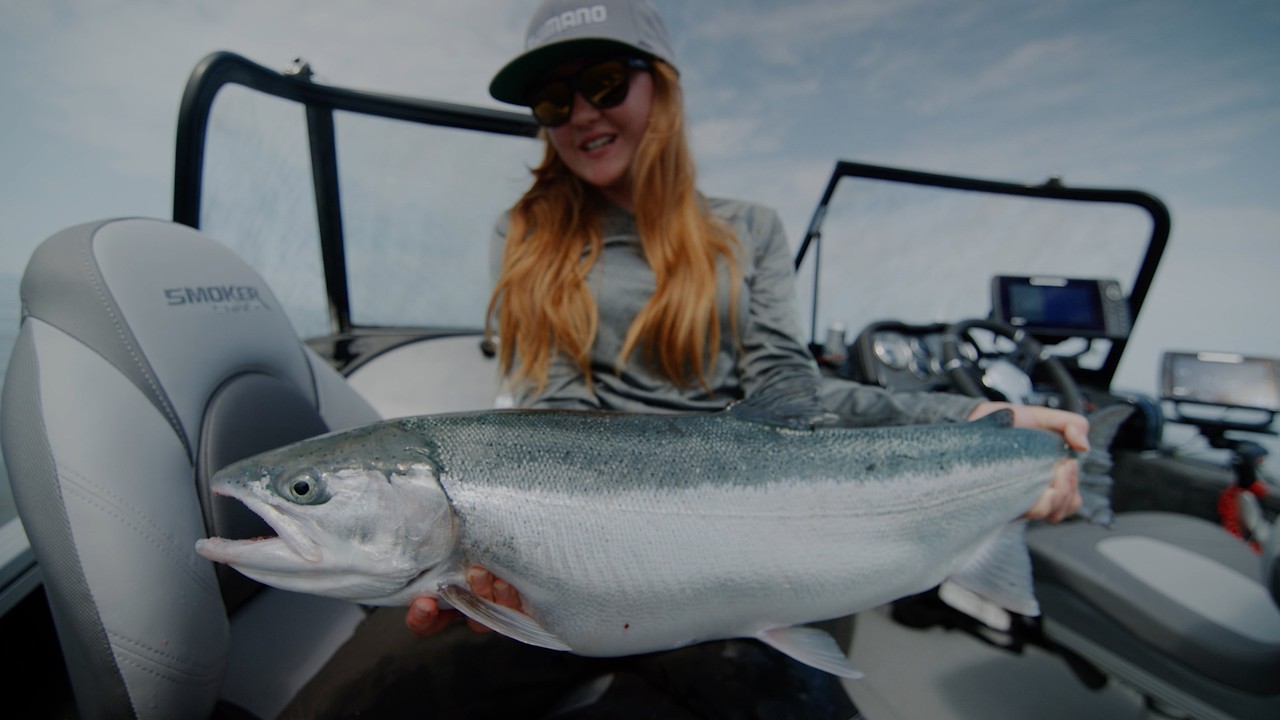
These fish exhibit various color patterns, from reds and silvers to greens. Each hue provides information about their environment and behavioral traits. Lake trout feed primarily on other fish and chironomids, vital for their diet and growth. Understanding these food sources is fundamental for anglers, especially when considering catch-and-release practices that aid in species conservation.
Looking Ahead
Spawning is a crucial period for lake trout, occurring at depths of up to 300 feet as temperatures drop, often aligning with specific seasonal patterns. "In places like Lake Superior, spawning happens in June while in Southeast Yukon, it’s around September,” Thompson shared. Notably, larger females can produce up to 30,000 eggs. To support future populations, fishers are encouraged to practice conservative approaches by releasing larger females during spawning seasons.
The dietary habits of lake trout change significantly as they grow. Fry primarily consume zooplankton and insect larvae, while juveniles expand their diets to include terrestrial insects and small fish. Adult lake trout rise as apex predators, positioning themselves at the top of the food chain. "This emphasizes the necessity for anglers to understand both the fish’s life stages and their aquatic environment,” Reynolds pointed out.

Career Journey
Focusing on the Cascade Lakes, fishing for lake trout is most productive in the early spring and fall. "We often suggest fishing points and spits where underwater eddies and color changes indicate trout activity,” Thompson remarked. Lighter lines can also yield better casting distances, allowing for a more subtle bait presentation that attracts wary fish.
As anglers consider their fishing endeavors at Cascade Lake, understanding the nuances of lake trout behavior, spawning patterns, and habitat preferences is key. Armed with the right knowledge and techniques, they can not only improve their chances of a successful fishing trip but also contribute to the conservation of this species in the long term. With ongoing efforts to protect these vital ecosystems, the future of lake trout fishing looks promising.