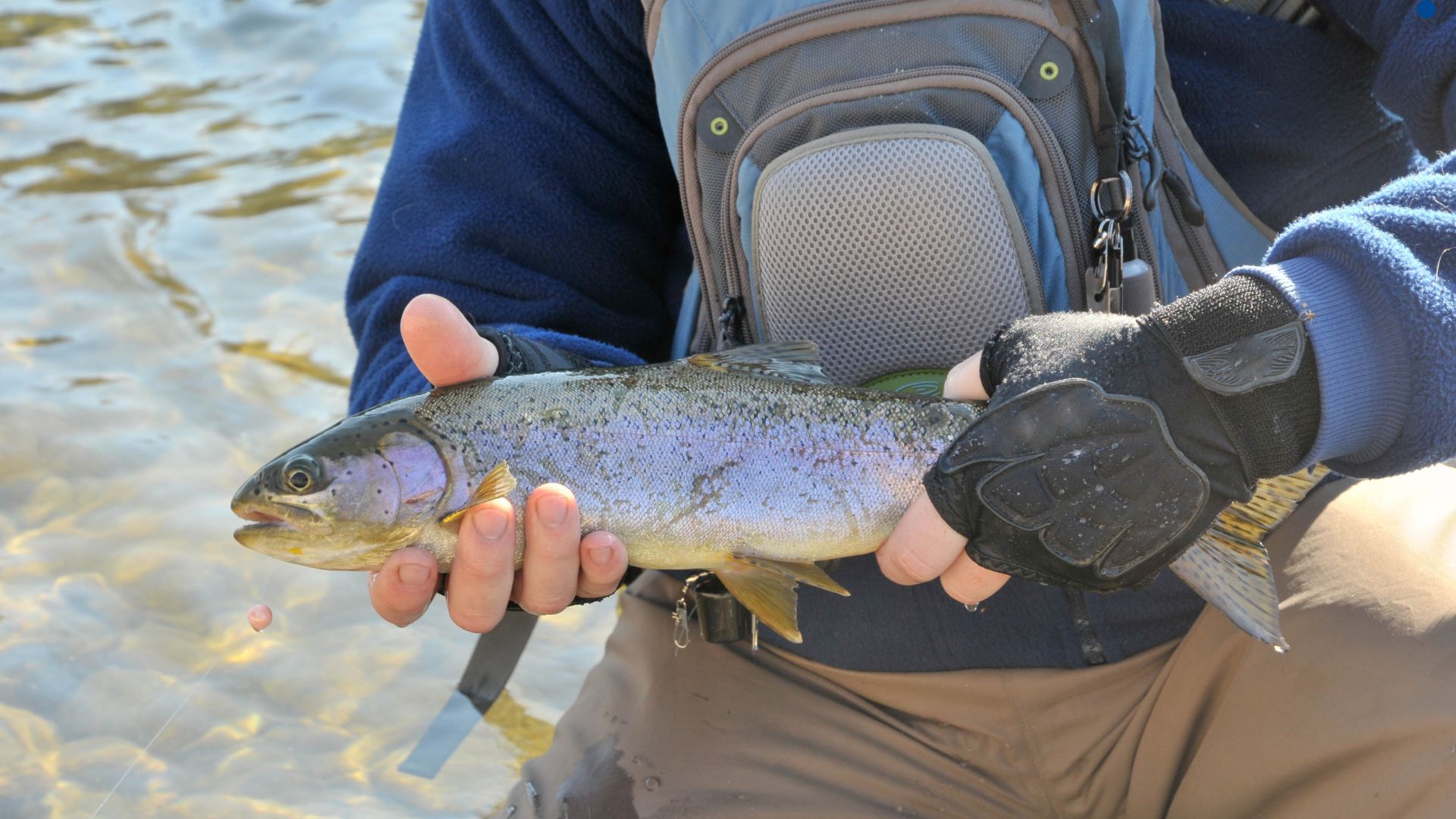
The gentle murmur of flowing water has long drawn outdoor enthusiasts to river banks across the country, where trout fishing continues to captivate anglers seeking both excitement and tranquility. This accessible sport requires minimal equipment while offering maximum reward, making it an ideal pursuit for families and individuals looking to connect with nature.
"Learning how to fish for trout in a river can give you peace and pride," said a seasoned angler, highlighting the dual appeal of this time-honored activity. The combination of skill, patience, and natural beauty creates an experience that transcends simple recreation, offering participants a chance to develop expertise while enjoying the calming presence of moving water.
"Learning how to fish for trout in a river can give you peace and pride,"


Success in river trout fishing begins with understanding the fish themselves and their preferred environments. Trout are selective creatures that seek specific conditions where food abundance, safety, and comfort intersect. This behavioral pattern forms the foundation of effective fishing strategy.
"Trout like clear, clean water," explained a fishing expert. "The best places have a steady flow, not too fast, and cold water below 65°F makes them most active." These temperature preferences become particularly important during summer months, when trout retreat to deeper pools or shaded areas to maintain their optimal body temperature.
River systems typically host four primary trout species, each with distinct characteristics and preferences. Cutthroat trout, identifiable by their golden-tan bodies with black spots and distinctive crimson slash beneath their jaws, thrive in cold, clear mountain streams throughout the western United States. Brook trout present a more colorful appearance with dark green backs, light spots, and vibrant orange-red bellies, favoring cooler waters in smaller stream systems.

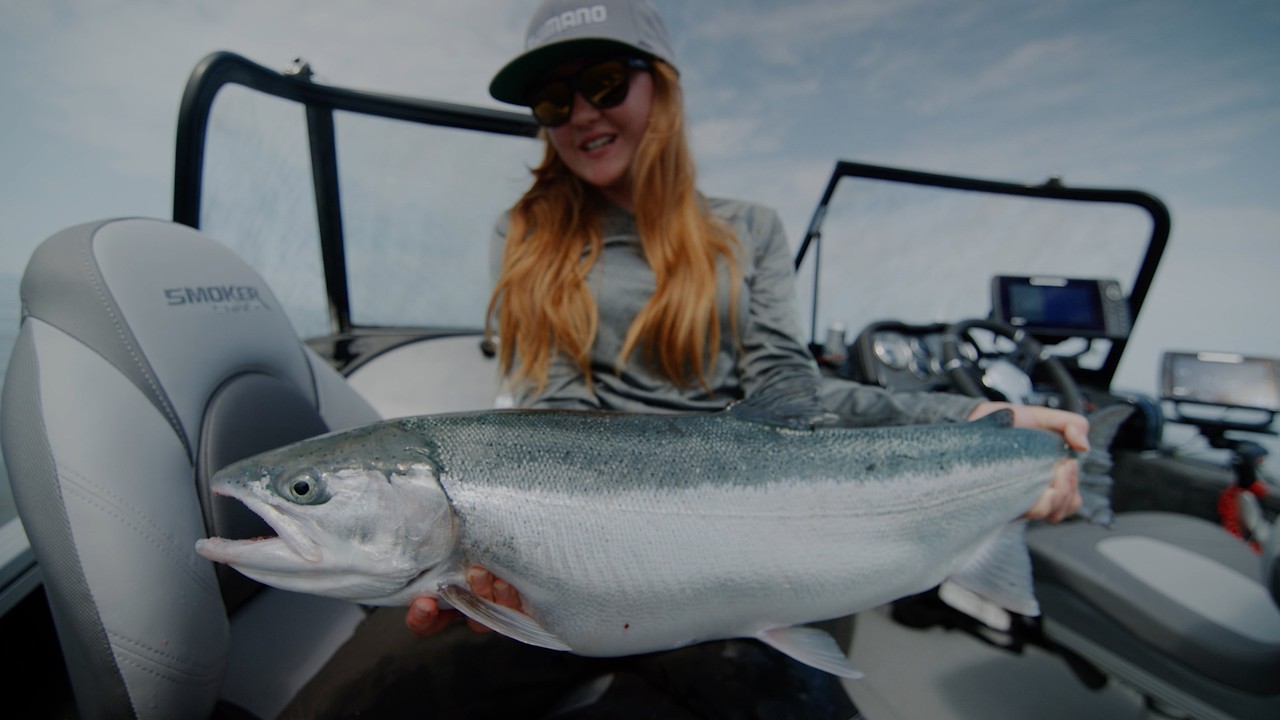
Brown trout, perhaps the most challenging to catch, display golden-brown coloration with dark spots often surrounded by pale rings. Their elusive nature stems from their preference for sheltered areas and cautious feeding habits. Rainbow trout, recognizable by their silver sides marked with a striking pink stripe and black spots, are known for their energetic behavior when hooked, often leaping clear of the water in dramatic displays.
"Rainbow trout love fast water, while brown trout prefer the shelter provided by overhanging banks or submerged logs," explained an experienced angler, illustrating how species-specific knowledge can improve fishing success. Brook trout gravitate toward cooler, smaller streams, while cutthroat trout typically inhabit deeper holes and shaded areas within river systems.
"Rainbow trout love fast water, while brown trout prefer the shelter provided by overhanging banks or submerged logs,"
Career Journey
Career Journey
Career Journey
Timing plays a crucial role in trout fishing success. While these fish remain active throughout the year, peak fishing periods occur from spring through early summer and again during fall months. Cold, clear water conditions trigger increased feeding activity, creating optimal opportunities for anglers.
Career Journey
Career Journey
"If the water feels cold when you dip your hand in, it's usually good for trout fishing," noted one fishing enthusiast, offering a simple field test for water conditions. Bright sunlight often drives trout into hiding, making early morning and late evening sessions particularly productive.
"If the water feels cold when you dip your hand in, it's usually good for trout fishing,"
Championship Implications
Successful trout fishing requires understanding where fish congregate within river systems. Submerged structures such as fallen logs, large rocks, and weed beds serve as ambush points where trout wait to intercept food carried by the current. These features provide essential cover while positioning fish in feeding lanes.
Undercut banks, carved by persistent water flow, offer both shade and protection, making them prime trout habitat. The erosion process creates natural shelters that appeal to fish seeking refuge from predators and strong currents.
Riffles represent some of the most productive fishing areas, where shallow, bubbly water flows over small rocks and gravel. These oxygenated zones concentrate aquatic insects and other food sources, attracting feeding trout throughout the day.
Deeper pools serve as thermal refuges during hot weather and provide sanctuary when fish feel pressured. These calmer areas often hold larger, more cautious trout that venture into feeding areas during low-light periods.
Runs, characterized by steady currents flowing between faster and slower water sections, create ideal feeding stations where trout can conserve energy while intercepting drifting food. These transition zones often produce consistent results for anglers who can present their offerings naturally.
The accessibility of river trout fishing makes it particularly appealing to newcomers and families. Unlike many fishing disciplines that require significant equipment investment, basic trout fishing can be accomplished with modest gear and fundamental techniques. This low barrier to entry, combined with the sport's potential for both relaxation and excitement, continues to attract new participants across all age groups.
For those seeking to master river trout fishing, success comes from combining knowledge of fish behavior, habitat preferences, and environmental conditions with patience and practice. The reward extends beyond the catch itself, encompassing the peaceful environment, family bonding opportunities, and personal satisfaction that comes from developing outdoor skills in natural settings.