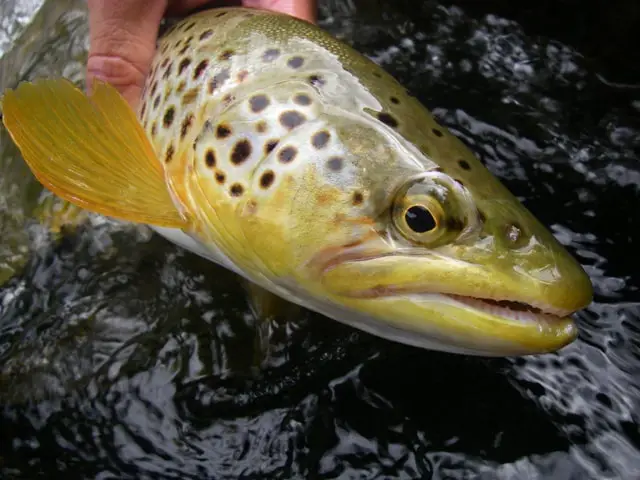
Successfully catching trout in ponds requires a nuanced understanding of their behavior and habitats. Expert anglers emphasize that whether you’re targeting stocked or native trout, employing proven tactics can significantly increase your chances of a catch. As one seasoned angler remarked, "Even simple things like using the right hook and the right size leader can make a huge difference."
Determining the best areas to fish is paramount. Trout in ponds often venture alone, in contrast to their behavior in rivers and streams where they may school together. According to one fishing guide, "When trout fishing in ponds of various sizes, the key is to locate their preferred habitats."
During the spring and fall, anglers should focus on reservoirs that have active inflows and outflows, especially those connected to streams. These areas often turn into hot spots as trout patrol near the shorelines where transitions happen. The changing seasons can dictate their location; in the summer, look for them in deeper waters to stay cool, particularly near thermoclines or spring upwellings.


Equally important is where to concentrate your fishing efforts. Targeting productive locations can make all the difference. One expert highlighted, "Dams, weirs, and fountains often attract trout due to the highly oxygenated waters they provide." Stream mouths also serve as excellent fishing spots since they offer cool, oxygen-rich water that supports floating insects and other food sources for trout.
The presence of underwater structures like fallen trees and rocky areas is also critical. These structures not only offer trout shelter but can also serve as hunting grounds for smaller fish. Additionally, overhanging trees can provide shade and a source of food as insects fall into the water. The simple strategy of fishing on the windy side of the pond is yet another valuable tip, as wind creates waves that oxygenate the water and stir up food sources from the bottom.
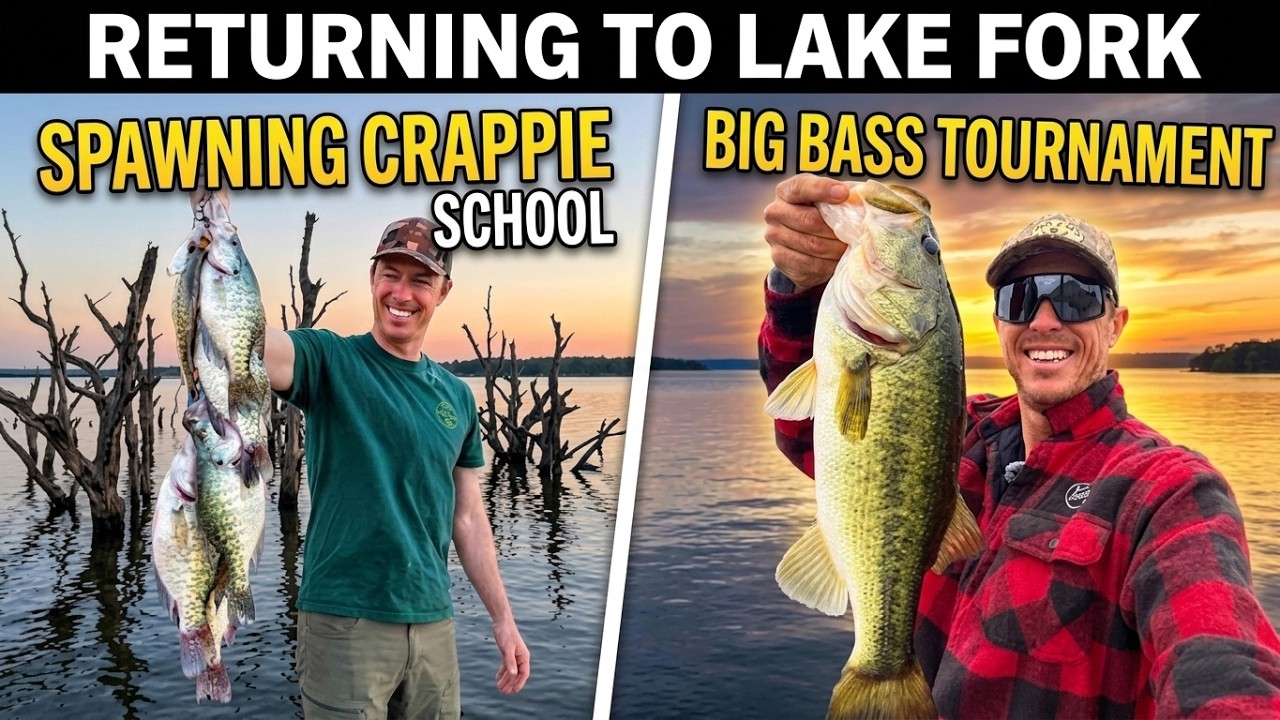
Once you select the right spots, the design of your bait rig becomes vital for accessing various sections of the water column. An expert noted, "Using appropriate bait rigs helps me reach different areas where trout are likely to be feeding." One effective method is the bottom rig, ideal for floating baits. It requires threading an egg sinker or pencil lead onto the line, followed by a swivel, before attaching a leader with a hook to keep the bait visible to fish.
An alternative approach is utilizing a slip bobber rig, which works exceptionally well in still waters and allows anglers to target specific depths. "By adjusting the depth of the bait using the slip bobber, I can present it at a desired level in the water column," shared another experienced angler. This rig is particularly useful in waters deeper than seven feet, providing versatility based on trout feeding behavior.
"By adjusting the depth of the bait using the slip bobber, I can present it at a desired level in the water column,"
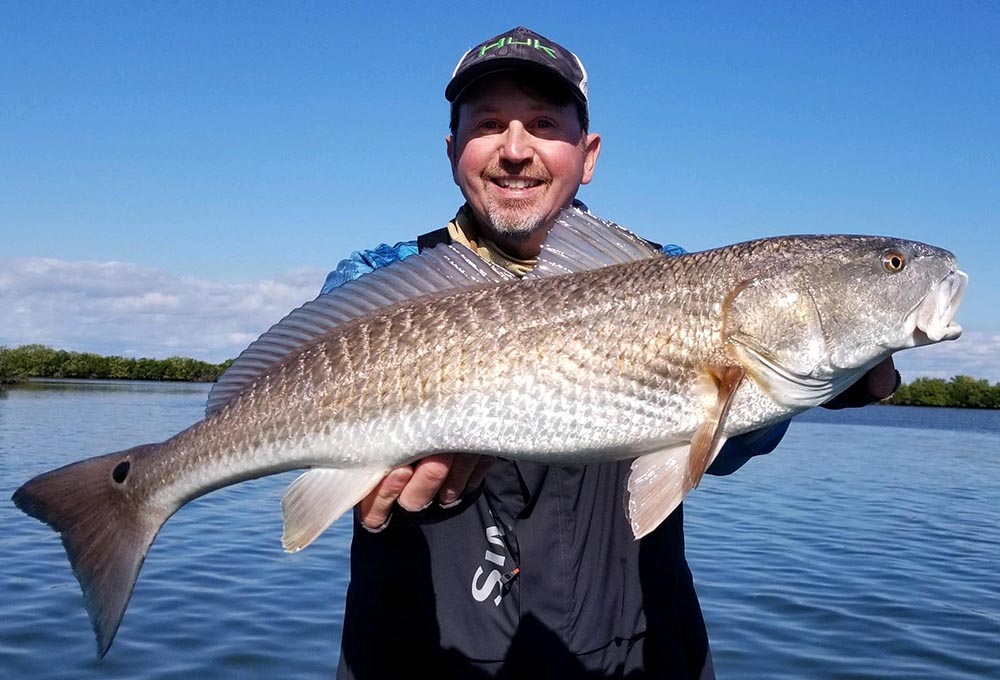
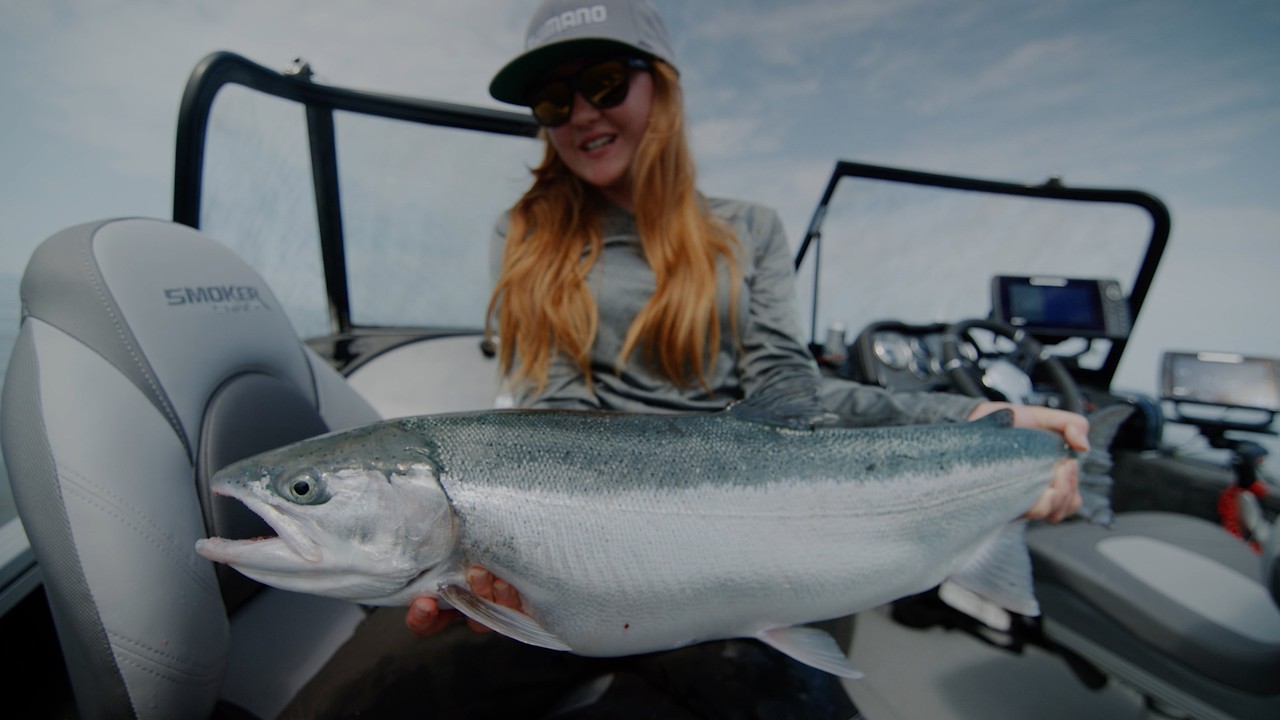
Race Results
When it comes to bait selection, not all options yield equal results. While worms can be effective, they need to be the right size and properly presented. An expert reinforced this by stating, "I highly suggest using the same effective baits used by expert anglers since these are tried-and-true options that consistently produce." Along these lines, best baits for pond trout include commonly used live baits such as minnows and leeches, and even artificial options, which are an excellent choice when live bait is hard to come by.
Each aspect of trout fishing in ponds—from understanding their seasonal migratory patterns, maximizing efforts with strategic location choices, and employing the right fishing techniques—plays a significant role in determining success. The seasoned advice from experts provides invaluable insight into the art of trout fishing. Preparation and research will lead you to more fruitful fishing expeditions.
As the season changes, trout fishing enthusiasts should keep these expert insights in mind. With thoughtful techniques and active scouting, the promise of a successful catch is always within reach, ensuring that anglers can enjoy rewarding experiences in the serene settings of pond fishing.