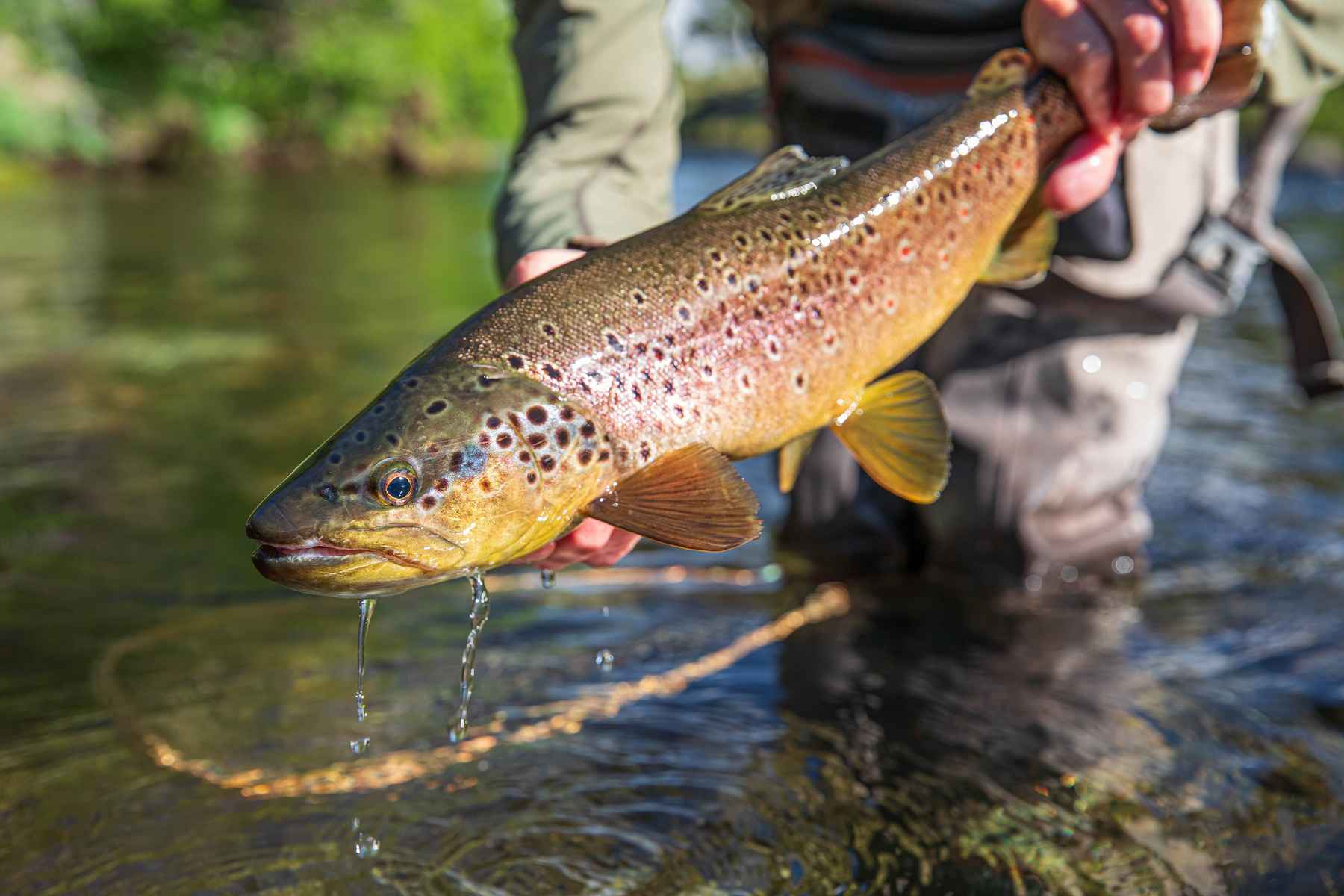
Trout fishing captivates enthusiasts with its blend of challenge and accessibility. For those new to this engaging activity, understanding the fundamentals is key to success. As one expert insightfully noted, "Fishing is about patience and observation; it’s not just about the catch."
When it comes to trout, several species attract anglers. The Brook Trout, native to numerous regions across North America, usually inhabits smaller streams. On the other hand, the elusive Brown Trout often prefers cooler, deeper waters. Meanwhile, the vibrant Rainbow Trout, frequently stocked in lakes and rivers, is known for its striking colors and spirited fight. Understanding their behaviors and habitat preferences is crucial for any aspiring trout angler.
As you gear up, it's helpful to know that you don't need a wealth of equipment. The essentials include a fishing license to comply with local regulations, polarized sunglasses to reduce glare, a net for handling your fish, and a tackle box for your gear. For tackle, beginners should start with basic lures such as spinners—think Panther Martin or Rooster Tail—as well as reliable bait like worms, PowerBait, or salmon eggs. Most trout fishing scenarios are best approached with a 4- to 6-pound test monofilament line, while a lightweight spinning rod, ideally between 6 to 7 feet, paired with a matching reel, provides an excellent starting point.


Choosing the right location is equally crucial in your quest for trout. They thrive in clean, cold, oxygen-rich waters. Perfect habitats include mountain streams, spring-fed creeks, regularly stocked lakes, and rivers with riffles and pools. A useful tip is to check with your local wildlife agency for information on stocked waters and open fishing seasons.
When you're ready to cast, there are several techniques worth trying. For instance, spinning involves using lures that mimic small fish or insects; varying your cast and retrieve speed can lure trout effectively. Drift fishing is another method, allowing your bait to flow naturally with the current—ideal for streams. If lake fishing, still fishing can be productive; simply cast your bait and let it rest. As one experienced fisher said, "Subtlety is key, as trout are highly observant creatures."
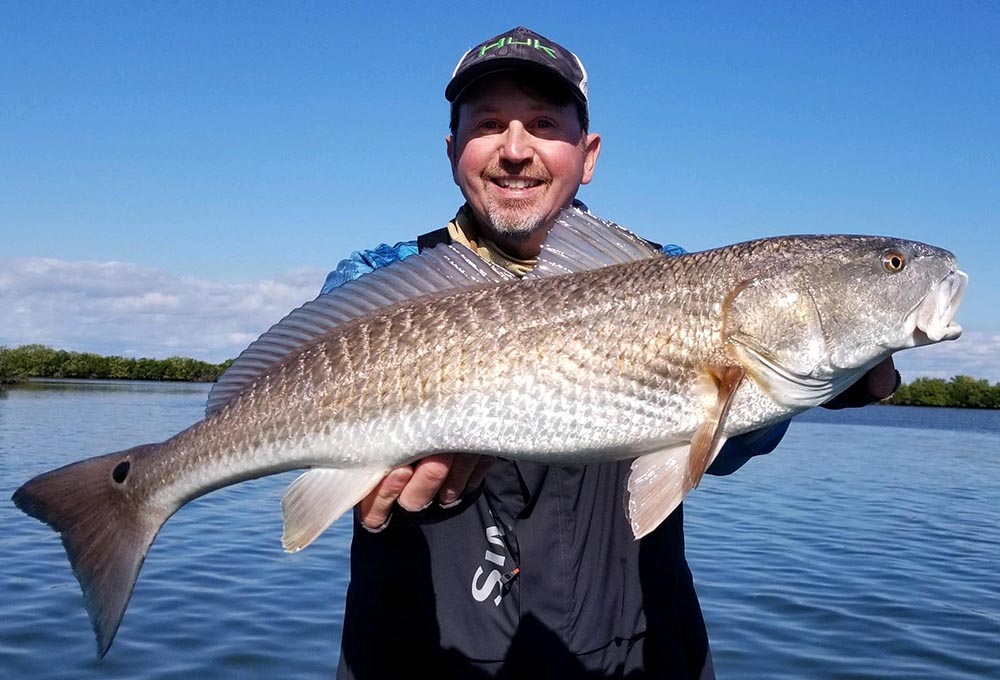
Should you decide to practice catch and release, there are important guidelines to follow. Release the fish promptly back into the water, ensuring you wet your hands beforehand to avoid damaging their sensitive skin. Utilizing barbless hooks, or crimping the barbs, can further aid in a fish's safe return to its environment.
Career Journey
Career Journey
Career Journey
In essence, trout fishing is not solely about the number of catches you haul in; it’s also a way to connect with nature. "Every trip teaches you something new, and it’s the journey that counts," shared a seasoned angler. Patience, curiosity, and a willingness to learn are part of the adventure. The more time you spend at the water's edge, the better you will comprehend the rhythms of trout fishing and the enchanting ecosystems in which these fish reside.
"Every trip teaches you something new, and it’s the journey that counts,"
Career Journey
So gather your gear, locate a serene fishing spot, and immerse yourself in the rich experience of trout fishing. Remember, every cast brings with it the prospect of discovery and joy on the water. Tight lines await!