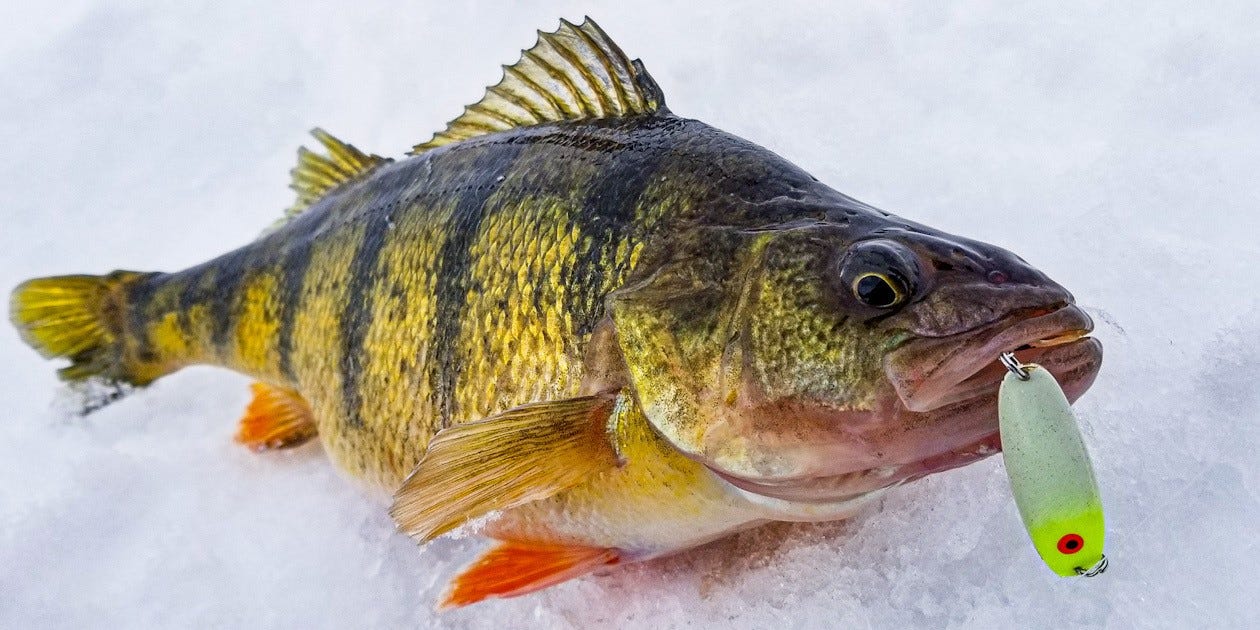
As the late winter months set in, anglers find that the ice-covered lakes of North America offer some of the best opportunities to catch panfish like crappies, bluegills, and perch. However, with shifting fish patterns and more challenging bite conditions, it becomes essential for fishermen to adapt their techniques.
Between late February and mid-March, panfish behavior changes significantly due to environmental factors such as food availability and spawning activities. "Finding success during this period can be difficult for many," expressed an avid ice fisherman, emphasizing the need for strategic planning. Learning to read a lake map and understanding the underlying changes can enhance the likelihood of a productive fishing trip.
"Finding success during this period can be difficult for many,"

In particular, crappies exhibit notable behavioral shifts as the season progresses. These fish typically spend winter suspended in deeper basins where they feed on minnows and microorganisms. As daylight hours increase, they begin to migrate shallower into areas adjacent to their spawning habitats. "With the longer days, sunlight penetration lasts longer, and new vegetation begins to grow," noted a local fishing expert. This increase in aquatic plant life enhances oxygen levels, drawing in baitfish and creating ideal feeding grounds for crappies.
"With the longer days, sunlight penetration lasts longer, and new vegetation begins to grow,"

When targeting crappies, it’s advisable to start in shallow waters near the breaklines that lead to these spawning grounds. Authoritative fishermen suggest employing underwater cameras like the Aqua-Vu to assess the habitat as holes are drilled. "Once located, crappies can be easily tricked into a bite if you notice what they are feeding on and where in the water column they are residing," mentioned an angler familiar with late season crappie patterns.
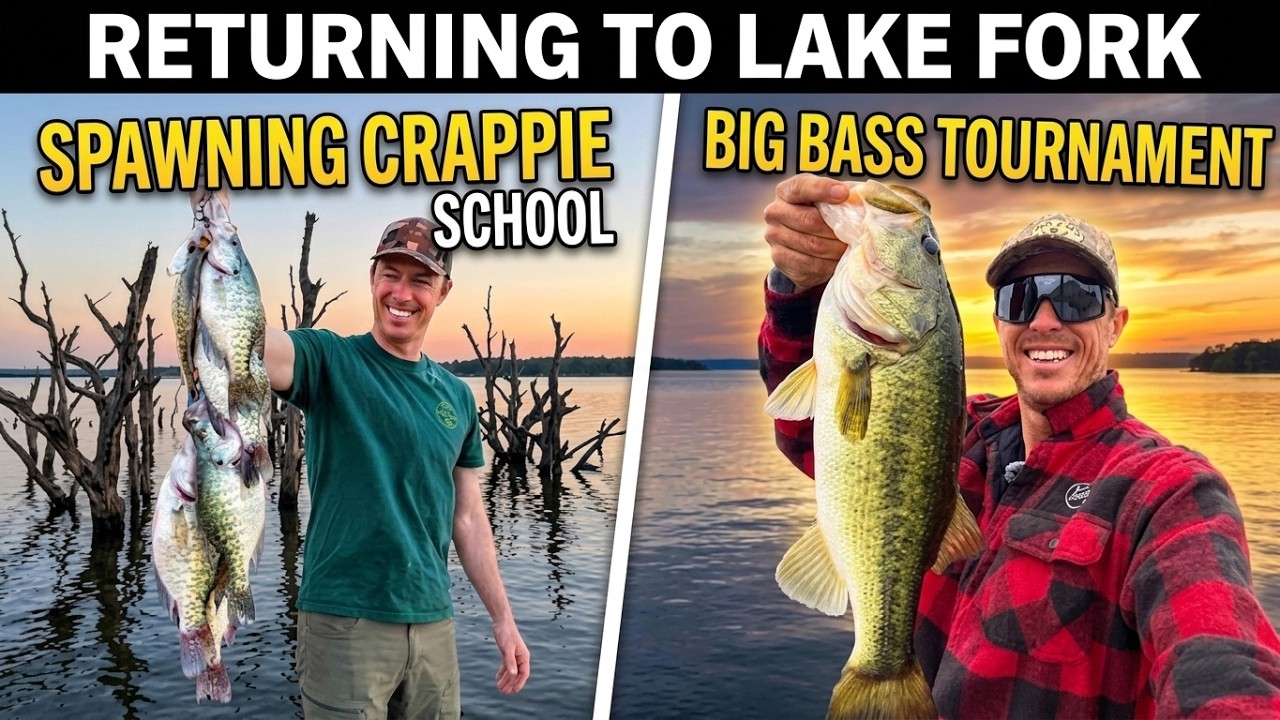
"Once located, crappies can be easily tricked into a bite if you notice what they are feeding on and where in the water column they are residing,"
According to experienced fishers, presentation methods also play a crucial role in enticing late-season crappies. "I have observed that crappies seem to prefer a horizontal-postured presentation over vertical," explained a dedicated ice fisherman. They recommend using horizontal baits such as the Lindy Tungsten Toad and Little Nipper, starting with smaller sizes adorned with ample bait. The goal is to maintain a tight line, taking advantage of crappies' known tendency towards an "up bite"—a signal that requires swift hook-setting.
"I have observed that crappies seem to prefer a horizontal-postured presentation over vertical,"
Equally important are the strategies for targeting bluegill during late season ice fishing. "Bluegill spend a majority of the winter in shallow or slightly deeper waters along breaklines," shared a seasoned local guide, reinforcing the idea that vegetation is key. Healthy lakes often maintain green vegetation year-round, providing ideal locations to find these fish. A compact underwater camera can help confirm where bluegills are hiding, but a good lake map assessing soft-bottom areas next to deeper flats can also be beneficial in locating these elusive fish.
"Bluegill spend a majority of the winter in shallow or slightly deeper waters along breaklines,"
To effectively catch bluegills, seasoned fishers recommend targeting the bottom where insect nymphs and larvae reside. Starting just outside the weed edges and maintaining a close line to the bottom can help snag larger specimens. "These fish tend to move a lot during late ice between the weeds and the soft bottom," a bluegill specialist cautioned.
"These fish tend to move a lot during late ice between the weeds and the soft bottom,"
Finally, perch fishing towards the close of the ice season calls for its own unique approach. Anglers often find perch in schools, meaning once they're located, further catches can follow quickly. Fishing locations are critical; it's suggested to search in deeper waters near the edges of weed beds or drop-offs. The success of keeping the presentation steady and adjusting bait size according to fish response is highly valuable.
Overall, late season ice fishing for panfish is an intricate affair, requiring knowledge of fish behavior and effective fishing tactics. As the days grow longer and the sun warms the waters, anglers can increase their chances of success by carefully studying water conditions, fish movements, and employing the right tools and presentations to land their catch.