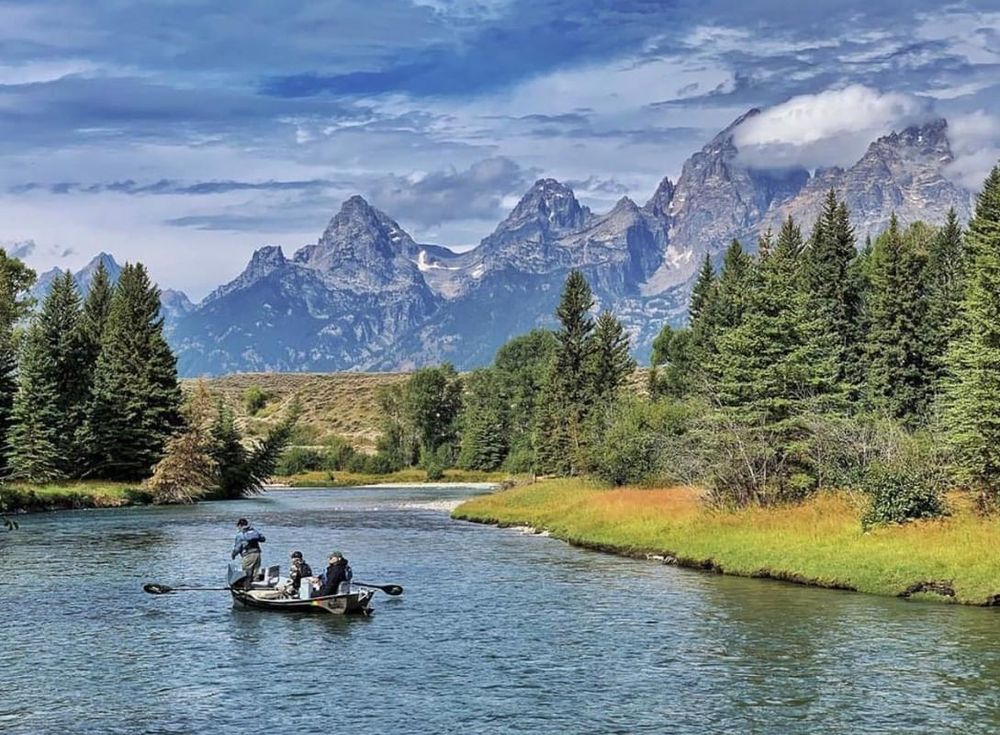
Trout fishing captivates many anglers around the world. The allure of this beautiful freshwater sport fish draws enthusiasts to both serene mountain streams and expansive lakes. As fishing guides assert, being equipped with the right strategies is vital.
"Trout fishing requires a unique understanding of water conditions and fish behavior," said Jake Turner, a veteran fishing guide with River Range Adventures. "Knowing where and when to fish can make a world of difference."
"Trout fishing requires a unique understanding of water conditions and fish behavior,"

The quest to master trout fishing starts with a basic understanding of the species. Trout thrive in cool, clear freshwater, with some – like steelhead and bull trout – venturing into the ocean before returning to freshwater for spawning. For local fishing trips, anglers typically target four primary species: rainbow trout, cutthroat trout, brook trout, and brown trout, depending on regional availability.

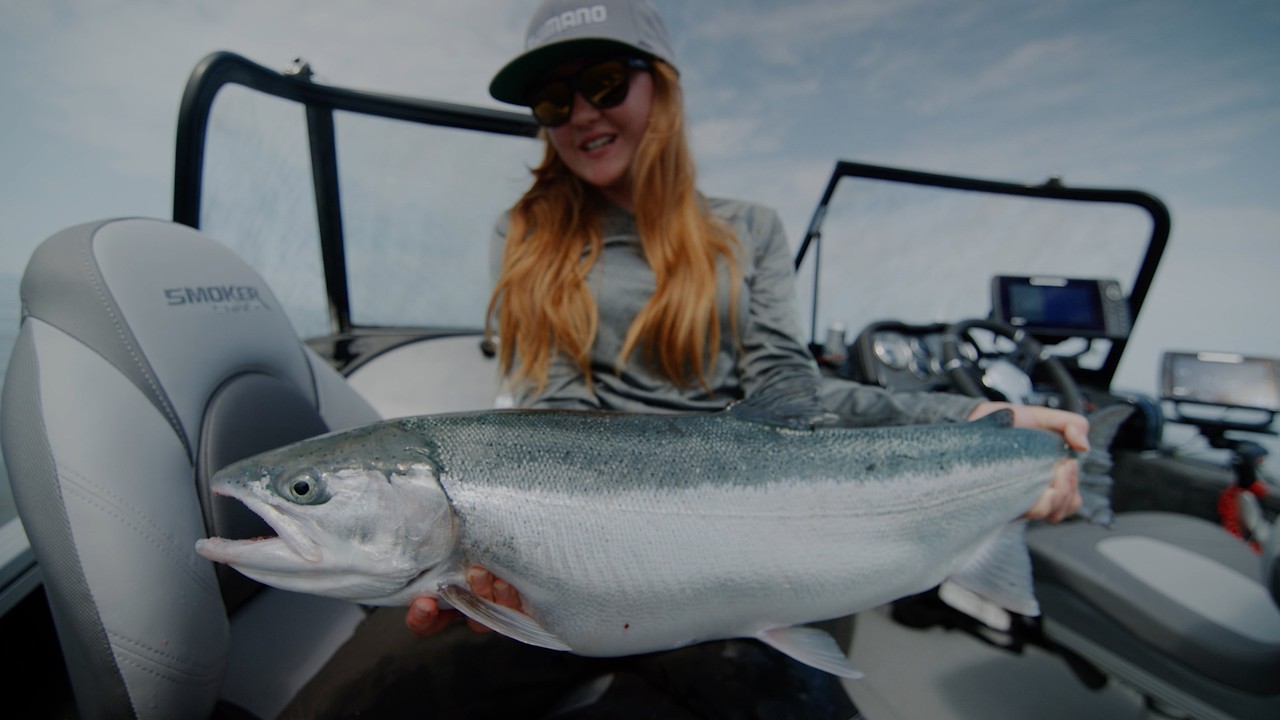
Rainbow trout are perhaps the most popular among anglers. Known for their energetic leap when hooked, they present a thrilling challenge for fishermen. "They’re typically silver with a noticeable pink stripe along their sides," said Claire Dunn, a biologist focused on freshwater species. "A healthy rainbow population is a sign of good ecosystem health in the waterway."
"They’re typically silver with a noticeable pink stripe along their sides,"
On the other hand, cutthroat trout showcase their unique identity through the striking red or orange markings beneath their jaw. "They’re often found in high-altitude streams across western North America," added Dunn, noting their distinctive habitats.
"They’re often found in high-altitude streams across western North America,"
Brook trout, the smallest of the common species, are known for their dark green to brown coloration, adorned with pebble-like markings and colorful dots. "They are the only trout species native to the eastern United States and have a reputation for eagerly taking dry flies," explained Tom Harris, an expert in eastern trout fishing. "Their presence is an essential indicator of a healthy ecosystem."
"They are the only trout species native to the eastern United States and have a reputation for eagerly taking dry flies,"
Brown trout, on the other hand, originally from Europe, were introduced to North America in the late 19th century. They are distinguished by their varied coloration from yellow to brown, speckled with dark spots. An expert in local fishing, Lexi Johnson noted that "Brown trout can be tricky due to their ability to recognize artificial flies. That's why experienced anglers often prefer targeting them."

Understanding trout behavior is crucial for successful fishing. Factors influencing their habits include the species, environmental conditions, and time of year. "Trout can be quite seasonal, and that's where having a guide can help unlock the secrets of local waters," noted Turner.
"Trout can be quite seasonal, and that's where having a guide can help unlock the secrets of local waters,"
Trout prefer habitats rich in oxygen and structure. As Turner explains, "They thrive where there's an abundance of natural cover like rocks, branches, and gentle currents. Ideal temperatures hover between 50 and 60 degrees Fahrenheit."
Feeding habits are equally important to consider. Primarily dining on aquatic insects such as mayflies, trout are opportunistic feeders. "You'll often find them snacking on anything that drifts past, from tiny insects to unsuspecting fish," Harris emphasized. This means timing can significantly enhance fishing success.
"You'll often find them snacking on anything that drifts past, from tiny insects to unsuspecting fish,"
Career Journey
Trout tend to be more active during periods of low light. Thus, cloudy days and early mornings or late evenings can present optimal chances for anglers. "Being out there when the trout are feeding consistently can lead to a satisfying fishing experience," Johnson advised.
"Being out there when the trout are feeding consistently can lead to a satisfying fishing experience,"
When it comes to techniques, casting methods vary. Anglers usually choose between fly fishing and spin fishing. "Fly rods allow for delicate presentations, which can be crucial when targeting wary trout," said seasoned fly-fisher Sean Miller. "Each technique offers something unique, and knowing which to apply based on conditions can significantly increase your catch rate."
"Fly rods allow for delicate presentations, which can be crucial when targeting wary trout,"
Tips from guides can vastly improve efficiency and enjoyment in fishing. Their insights into local laws and regulations as well as seasonal patterns help set up for a successful outing. "Understanding local guidelines is key to ensuring sustainable practices in fishing, which benefits both anglers and fish populations in the long run," cautioned Dunn.
"Understanding local guidelines is key to ensuring sustainable practices in fishing, which benefits both anglers and fish populations in the long run,"
As more people take to fishing in beautiful locales, the emphasis on responsible practices continues to grow. Trout fishing is more than just a sport; it's a communal experience that fosters a deeper appreciation for nature.
Career Journey
In summary, mastering trout fishing involves a blend of knowledge, technique, and respect for the environment. "As you embark on your fishing journey, remember that every outing is an opportunity to learn and connect with nature," said Miller. With every cast, the potential for adventure and discovery awaits, making trout fishing an enduring pursuit for anglers everywhere.
"As you embark on your fishing journey, remember that every outing is an opportunity to learn and connect with nature,"