When it comes to freshwater fishing, anglers often find themselves debating the merits of pond fishing versus lake fishing. While both options can yield plenty of excitement and catches, the methods and strategies for success differ significantly between these two types of water bodies.
Ponds are typically smaller and shallower than lakes, making the fishing experience a bit simpler for those who prefer bank fishing. "The best pond fishing techniques are those that work well in shallow water," said Debbie Hanson, an esteemed outdoor writer and fishing advocate. In ponds, anglers can effectively use methods involving soft plastic creature baits such as worms, crawfish, and lizards, as well as topwater options like frogs and various crankbaits.
"The best pond fishing techniques are those that work well in shallow water,"

On the other hand, lake fishing usually necessitates different techniques due to depth variations. According to Hanson, successful strategies in lakes should focus on deeper water presentations. "Deep diving crankbaits, drop shot rigs, football jigs, and bucktail jigs," are some of the preferred methods when targeting fish in lakes.
"Deep diving crankbaits, drop shot rigs, football jigs, and bucktail jigs,"

The environmental conditions of ponds and lakes also play a crucial role in an angler's success. Springs and summers may show substantial variations in water temperature, especially in lakes where deeper sections can exhibit more pronounced seasonal shifts. "Largemouth bass, for example, will tend to be most active in 65 to 80-degree water temperatures," shared Hanson. This insight is vital for anglers seeking to time their catches effectively.
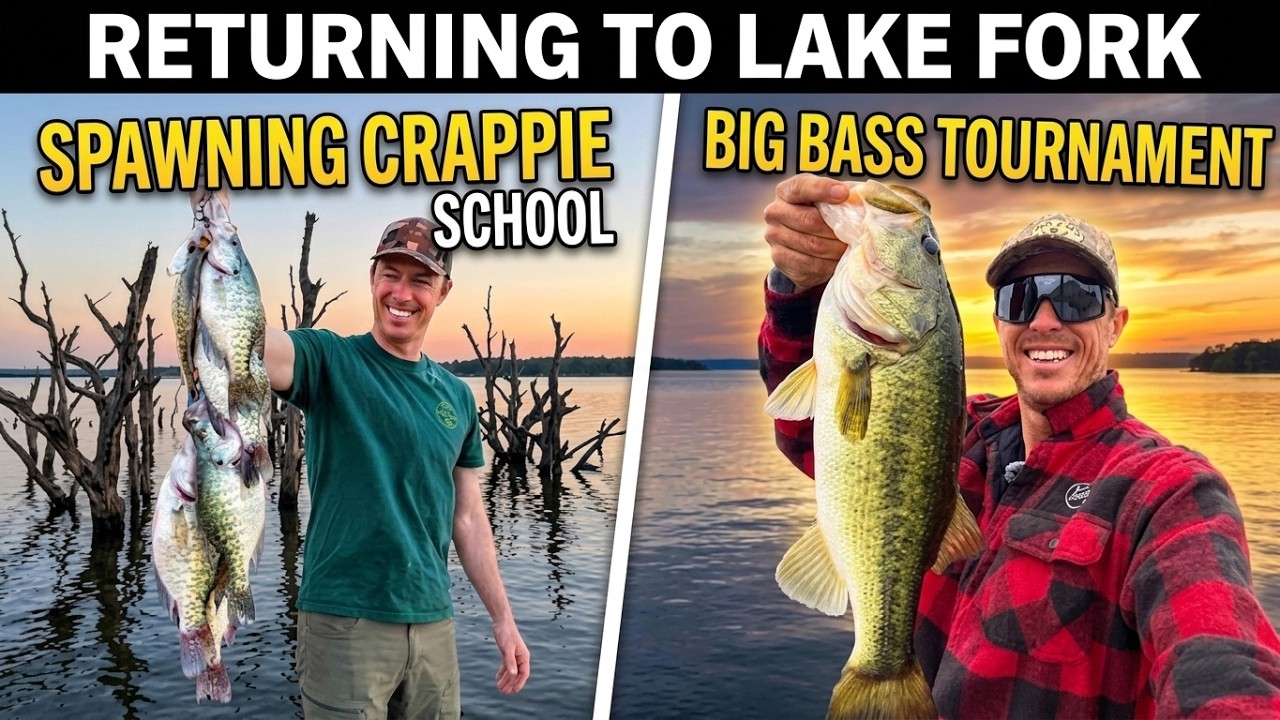
"Largemouth bass, for example, will tend to be most active in 65 to 80-degree water temperatures,"
Championship Implications
Beyond temperature considerations, the ecosystem itself presents significant differences. Hanson explained, "Since ponds are shallower than lakes, pond ecosystems support more rooted plants and pond weeds." These vegetative areas become critical habitats for fish, providing shelter from predators as well as ambush points for hunting. In contrast, deeper lakes may lack such abundant vegetation, requiring fishermen to fish around unique structures like rock piles and submerged trees to find success.
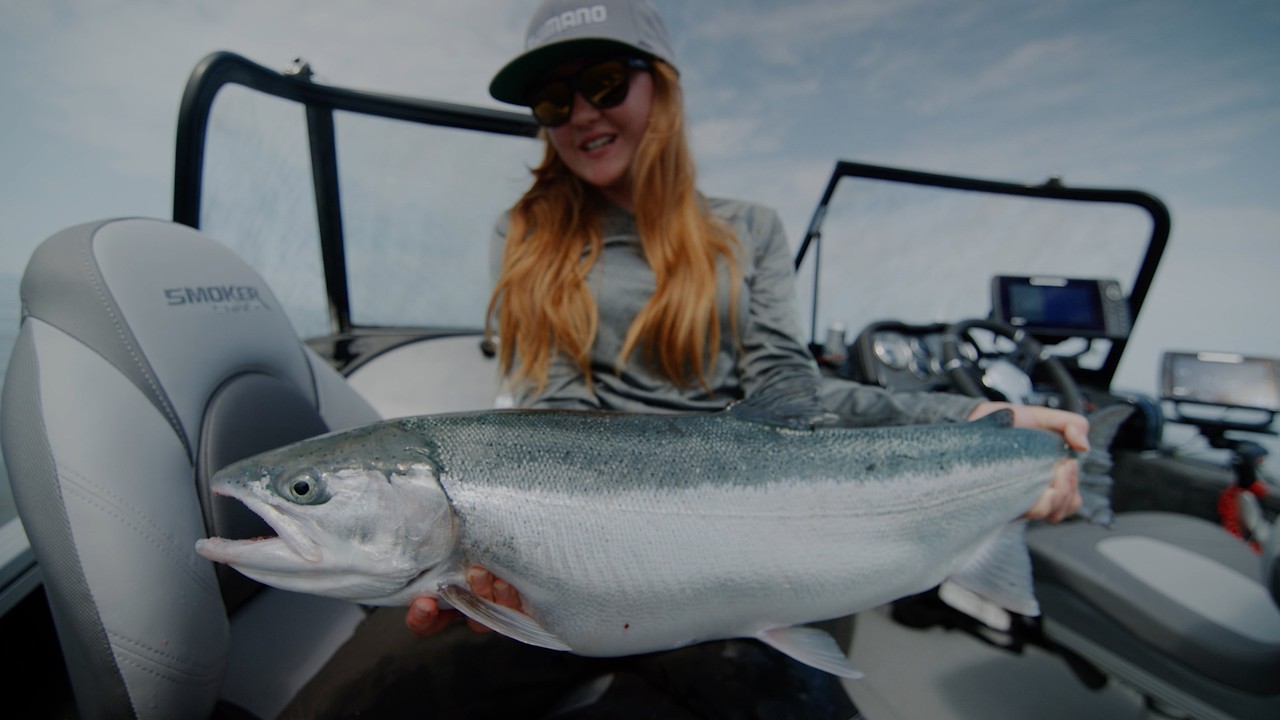
For those contemplating a fishing expedition, accessibility and skill level are essential factors to weigh. "If you don’t have a boat or want to take someone fishing for the first time, a pond can be one of the best places to fish from the bank," said Hanson. The accessibility of pond fishing makes it particularly appealing for beginners or those pressed for time, allowing for quick and enjoyable fishing sessions.
"If you don’t have a boat or want to take someone fishing for the first time, a pond can be one of the best places to fish from the bank,"
In conclusion, the key takeaway in the pond versus lake fishing debate is the necessity to adapt your strategy based on the environment. Recognizing where structure and food sources reside is fundamental, irrespective of whether you're casting a line in a pond or a lake. By understanding these differences, anglers can enhance their experiences and increase their chances of hooking a prized catch.
