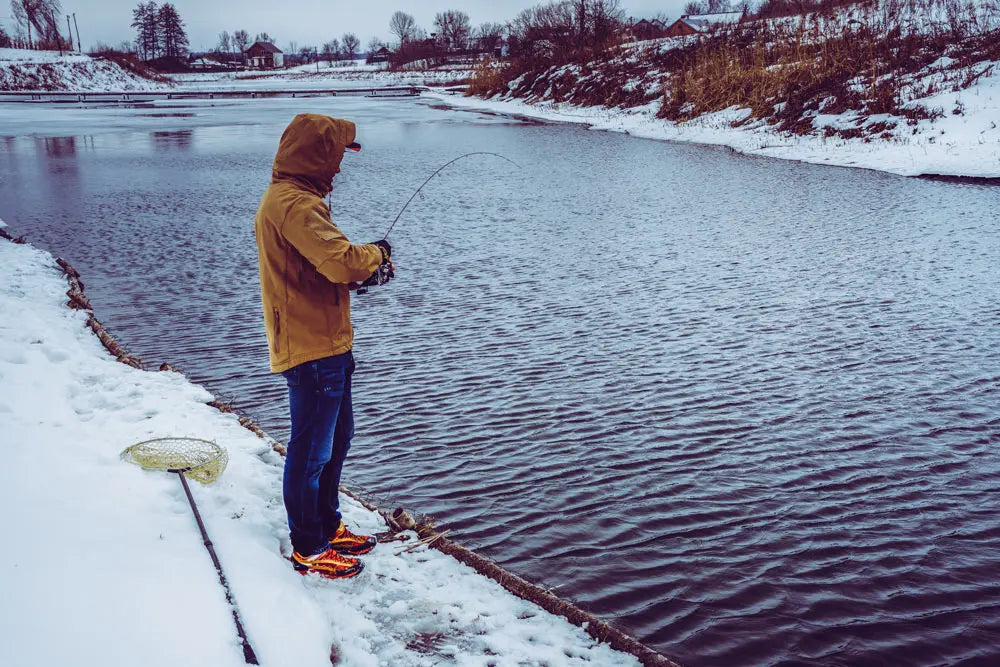
As winter casts its chill over lakes, anglers find themselves adapting their strategies for bass fishing. When water temperatures drop, the behavior of bass changes dramatically, slowing down their movements and altering their strike patterns. Success in cold-weather fishing hinges on understanding these shifts.
"When water temperatures drop, everything slows down — baitfish move less, bass slide deeper, and the whole lake gets quieter," says an experienced angler. Winter bass fishing requires a different mindset, focusing on slower retrieves and precise bait placement. While these fish may not chase a rapidly moving lure, they do continue to feed, albeit in a more measured manner.
"When water temperatures drop, everything slows down — baitfish move less, bass slide deeper, and the whole lake gets quieter,"


Water temperature takes precedence over air temperature in determining bass behavior. "Water warms and cools slowly, so a freezing morning doesn’t instantly turn the lake into an ice bath," explains an expert. Bass gravitate towards deeper waters seeking stability, where fluctuations in temperature are minimal, providing a comfortable environment away from sudden changes.
"Water warms and cools slowly, so a freezing morning doesn’t instantly turn the lake into an ice bath,"

Determining water temperature can be done without fancy electronics. A straightforward method involves the 'hand test': if water is painfully cold, it's likely in the low 40s; bearably cold suggests high 40s; and cool indicates a low 50s range. In addition to temperature, clarity is a factor; the winter often clears the water of algae. Observing steam or fog on the surface indicates the water is warmer than the air, suggesting bass may venture shallower. Finally, wind direction can reveal warmer spots as it stirs up the lake, pushing cold water into crevices.

"Cold water slows a bass's metabolism, which shrinks their ‘go get it’ range," continues the angler. With a reduced impulse to chase, bass settle into locations where food is readily available. Instead of roaming, these fish cluster in specific areas, often close to the bottom. They seek stable depths, occasionally moving shallower in search of warmth on sunlit banks or calm pockets.
"Cold water slows a bass's metabolism, which shrinks their ‘go get it’ range,"
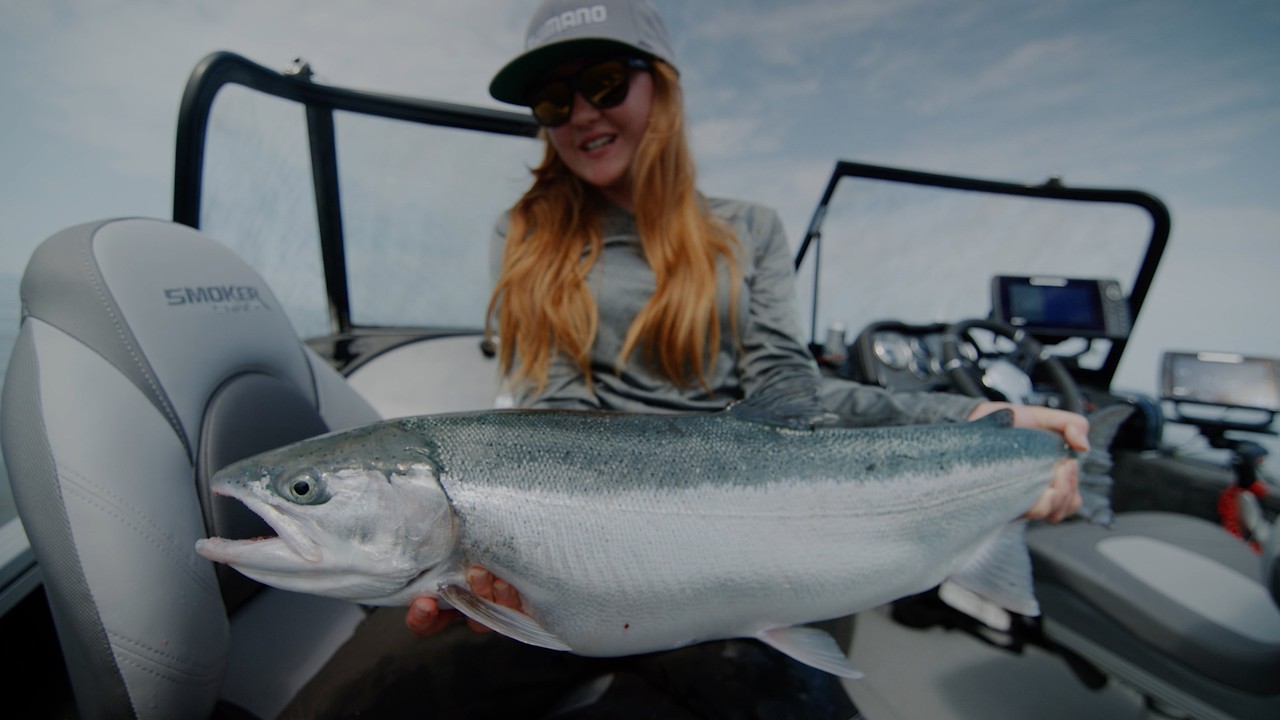
Identifying the primary places where bass can be found in winter can improve one’s fishing success. For instance, the deepest hole in a lake serves as a refuge for bass due to its consistent temperature. "Disrupting that stability is, of course, the key to landing lunkers all winter," advises another veteran angler.
"Disrupting that stability is, of course, the key to landing lunkers all winter,"
Additionally, steep drop-offs and ledges act as transition areas for bass, allowing them to move efficiently between depths. "They use these ramps to slide up or down without burning energy,” the veteran highlights. On sunny days, bass often take refuge halfway up these ramps for warmth, while they retreat deeper when conditions change.
Heat-holding cover, such as fallen logs or docks, proves to be crucial during winter. "Anything that stores warmth becomes a bass magnet during short feeding windows," notes an expert. Such cover can provide the right environment for bass to gather and wait for their next meal. Warm, calm pockets within the lake are also ideal spots; they tend to heat up faster than surrounding areas, attracting bass looking for easy prey.
"Anything that stores warmth becomes a bass magnet during short feeding windows,"
When it comes to fishing in different environments, be they ponds, lakes, or rivers, a common rule applies: seek places where water remains stable and where food can be caught with minimal effort. Small ponds, for instance, cool rapidly, forcing bass to seek out the deepest sections.
Fishermen should target areas like the deepest bank, typically near a dam, or the base of steep slopes. "Keep your bait moving slow and close to the bottom. Drag, crawl, and pause — that’s more effective than just reeling it in," one enthusiastic angler suggests. This technique resonates particularly well in pond fishing, where bass have fewer places to hide and can be more easily tempted.
In conclusion, successfully catching bass in winter involves recognizing changes in their environment and adjusting tactics accordingly. By focusing on stability, slower retrieves, and proper location, anglers can optimize their chances, ensuring that despite the frigid conditions, bass fishing remains an enjoyable pursuit. As the waters cool, those who adapt will continue to find success on the lake, transforming winter blues into fishing gold.