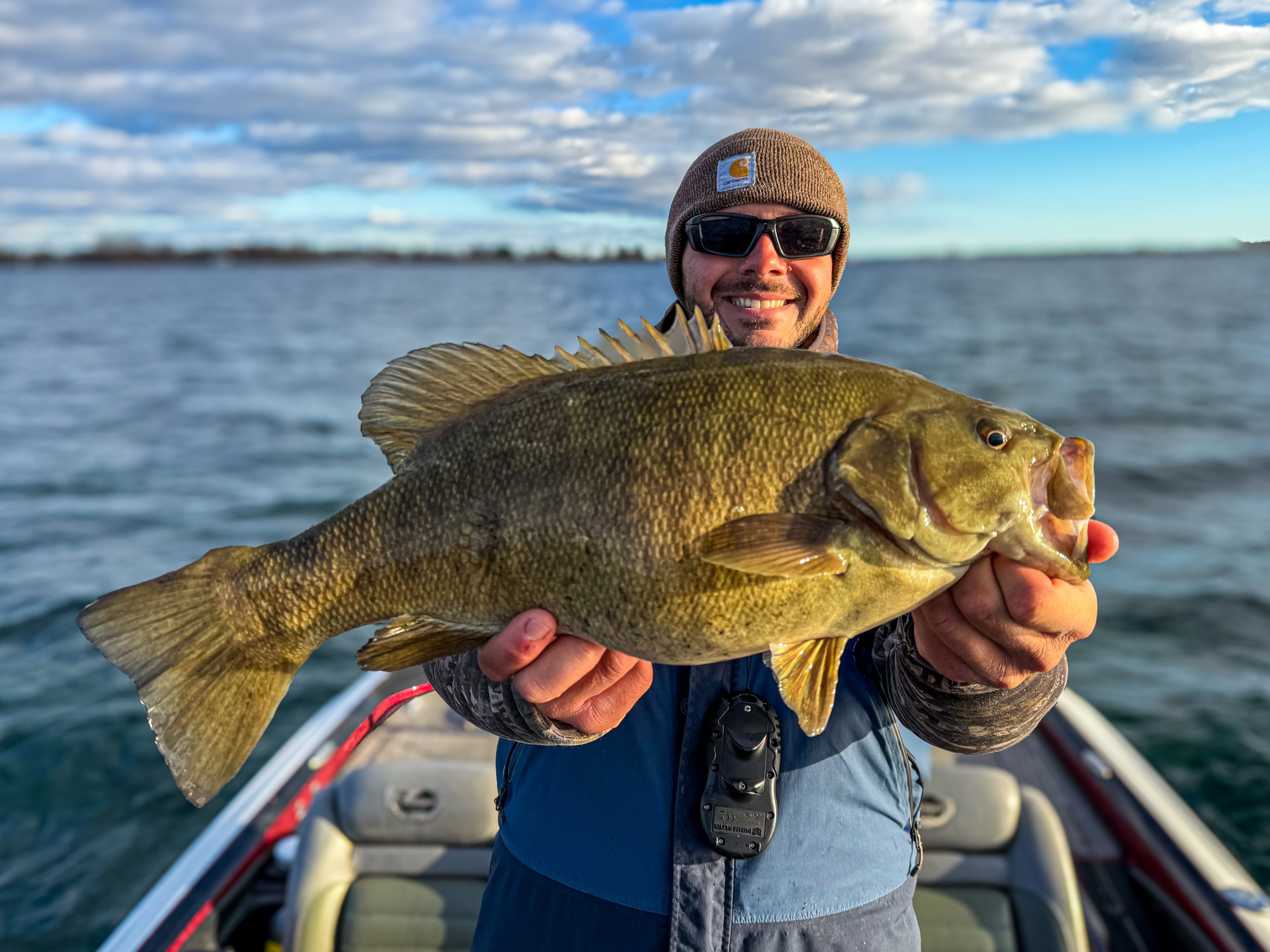
Winter bass fishing in the Northeast can be both a challenge and a rewarding experience for those willing to brave the elements. As temperatures dip and lakes begin to freeze, many anglers retreat to the comforts of their homes, but for a select few, this season presents unique opportunities to master the winter bass bite.
"Winter isn't just a season. It's a test," said Nick Petrou, a seasoned angler. With icy conditions kicking in, the water temperatures drop dramatically, often falling into the 30s, resulting in diminished fishing traffic. However, this lack of activity can render the lakes practically all to yourself, allowing for a serene fishing experience amidst the cold.
Petrou explained, "The winter bite is, arguably, my favorite of the year." His experiences fishing Candlewood Lake on Long Island are a testament to this sentiment as he sought the large bass that thrive in colder waters. According to him, the intensity of the winter bass fishing in regions like the Finger Lakes often surpasses that of more temperate areas.


Understanding the behavioral patterns of bass as winter sets in is crucial for successful fishing. As water temperatures dip below 50 degrees, both largemouth and smallmouth bass begin transitioning towards their wintering grounds. "The bass respond accordingly to these extreme changes," said Petrou, highlighting the significance of precise environmental conditions that dictate fish movement.
"The bass respond accordingly to these extreme changes,"
Smallmouth bass, particularly in glacial lakes, gravitate towards predictable wintering zones such as steep drops and rock piles. These spots allow them to maintain proximity to depths of 25 to 50 feet of water. Petrou noted, "They often group tight, so when you catch one, it’s rarely a lone wolf." Their affinity for stability during winter months means they often return to these same warm-water locations year after year.
Conversely, largemouth bass exhibit less predictable patterns. Their behavior largely varies depending on the lake type and its features. Petrou elaborated on this variability, stating, "In shallow, natural lakes, they might hold in 8 to 15 feet of water around remaining weeds, deep timber, or channel edges." For deeper waters, such as reservoirs, they can reside in depths similar to smallmouth bass but do not roam as extensively. Instead, they prefer to conserve their energy, feeding only when the opportunity arises.
As the winter progresses, efficiency becomes a key factor in bass behavior. Minimal movement translates to minimal energy expenditure, causing these fish to feed less frequently than during the warmer months. Understanding these patterns is essential for anglers looking to adapt their tactics.
"Winter bass want places where they can shift depth with ease," Petrou remarked, emphasizing the importance of vertical structure in winter fishing. Targeting these areas allows anglers to maximize their chances of hooking winter bass. Steep structures and consistent depths become pivotal as they provide a reliable habitat for bass.
"Winter bass want places where they can shift depth with ease,"
Overall, mastering winter bass fishing requires patience and a willingness to adapt to the changing conditions. The lakes may be quieter, but for those undeterred by the cold, the rewards can be significant. With the right knowledge and tactics, the frosty months can lead to some of the most productive fishing experiences of the year.
As winter continues its grip on the Northeast, those who persist may find themselves reeling in the biggest catches of the season. The quiet stillness of winter fishing can provide a unique thrill for those willing to brave the elements. The key lies in understanding fish behavior and targeting the right structures, ensuring that anglers are well-prepared to capitalize on the conditions of the cold months ahead.