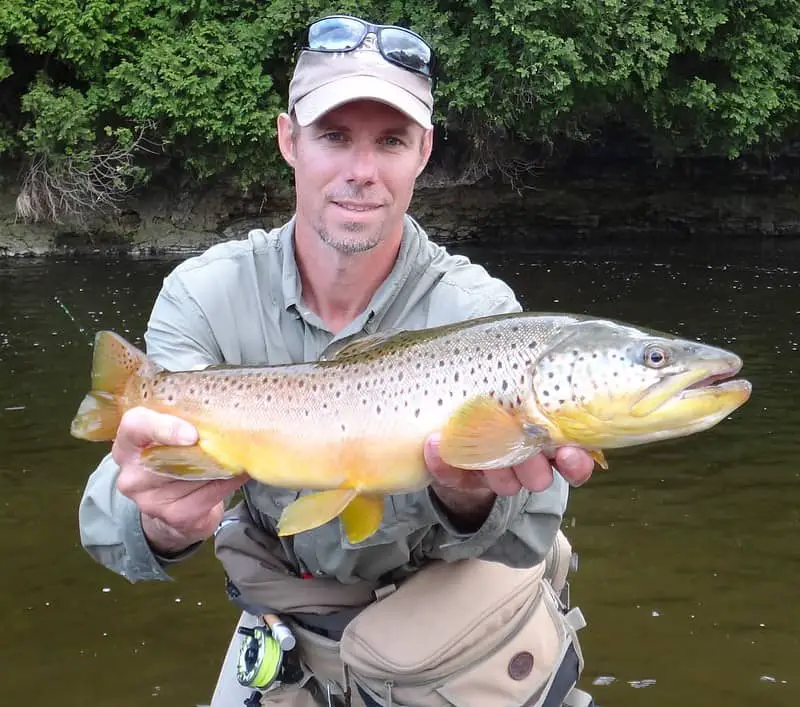
As spring fishing season approaches, recreational anglers are discovering that sophisticated fly fishing techniques may not be necessary for successful trout fishing, according to local fishing guides and experienced anglers who emphasize that basic tactics often prove more effective.
"Basic trout tactics and [lures](/gear/fishing-lure) will outfish fly fishermen in most situations," explained a local fishing guide, challenging the conventional wisdom that fly fishing represents the pinnacle of trout angling. This perspective reflects a growing sentiment among anglers who view fly fishing more as an enjoyable challenge rather than the most productive method for consistent catches.
"Basic trout tactics and lures will outfish fly fishermen in most situations,"


The appeal of trout fishing extends beyond mere technique, offering enthusiasts an immersive outdoor experience. Scenarios frequently unfold where excitement builds as anglers spot their target, culminating in the sudden strike that defines the sport's allure. "Those few seconds of excitement are worth all the time and effort put into the trip," said one avid angler, capturing the essence of what draws thousands to streams and rivers each season.
"Those few seconds of excitement are worth all the time and effort put into the trip,"
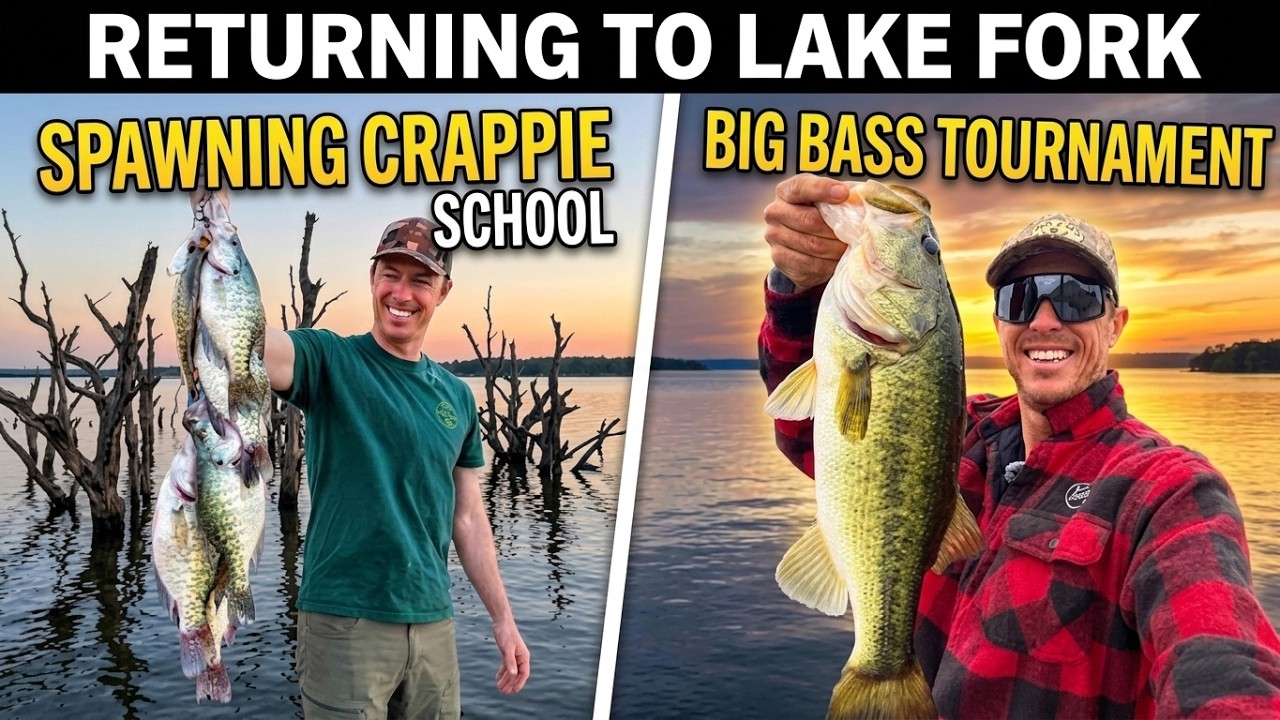
Understanding trout behavior proves crucial for success. These fish inhabit various depths in streams but typically prefer bottom locations where current flows over their gills, providing essential oxygen. "Trout are often found in deep holes where gently flowing water brings them both oxygen and food," said an experienced trout angler, emphasizing the importance of identifying productive fishing spots.
"Trout are often found in deep holes where gently flowing water brings them both oxygen and food,"
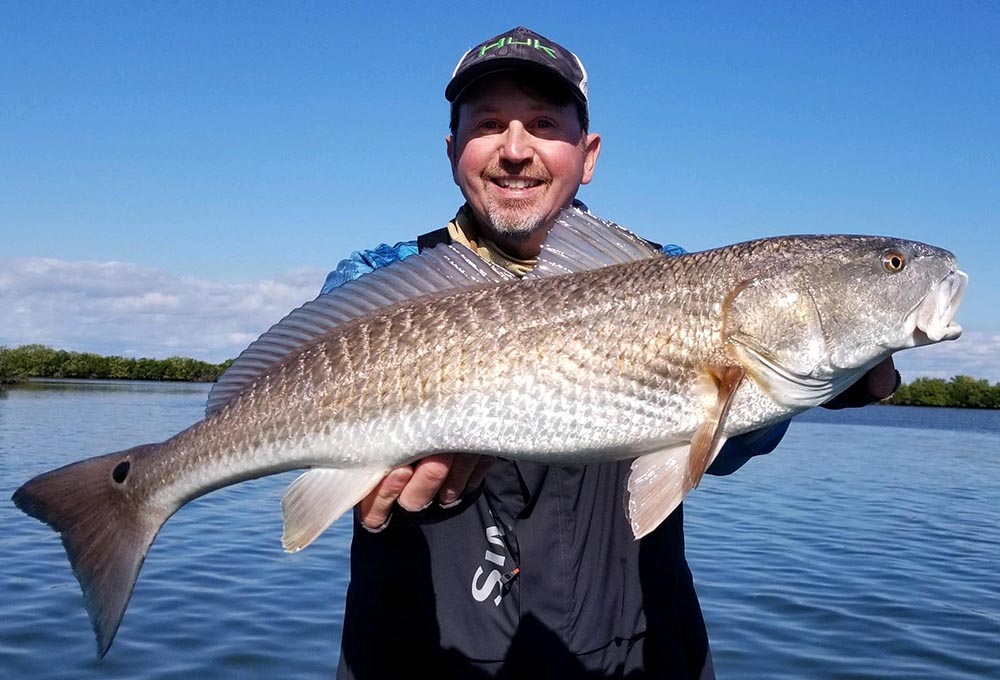
Trout thrive in water temperatures between 45 and 65 degrees Fahrenheit, seeking oxygen-rich environments near structures like weeds, rocks, and ledges. These areas provide both food sources and cover for ambushing prey, making them prime locations for anglers to focus their efforts.
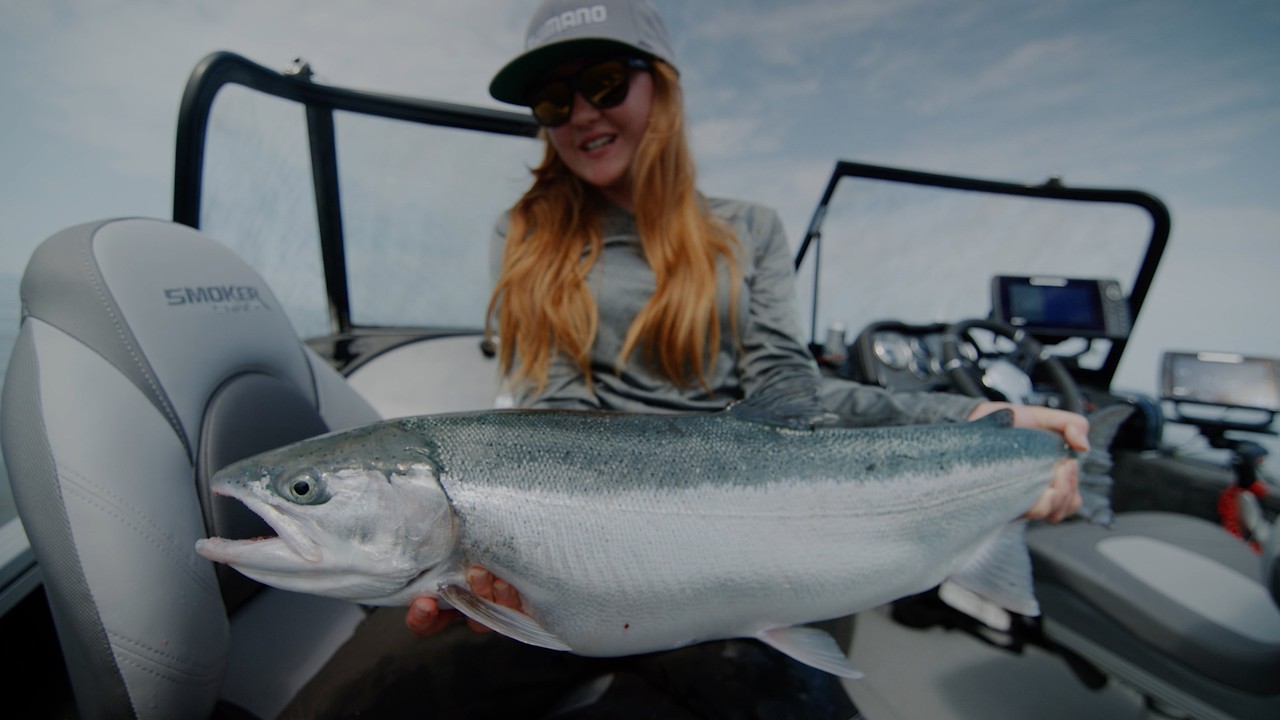
The fishing calendar holds special significance for many enthusiasts, particularly in Pennsylvania where opening day occurs on the first Saturday after Easter in mid-April. "This was always a big event and something fun to do with family and friends," shared one local fisherman, highlighting the sport's social and traditional aspects.
"This was always a big event and something fun to do with family and friends,"
Anglers encounter two distinct types of trout: wild and stocked fish. While their origins differ significantly, the fishing approaches remain remarkably similar. Stocked trout, primarily raised on ground-fish pellets in hatcheries, retain their natural hunting instincts for small minnows and insect larvae. "Even though stocked trout eat pellets, they often manage to find bugs in their environment," revealed one hatchery expert.
"Even though stocked trout eat pellets, they often manage to find bugs in their environment,"
Many anglers mistakenly believe that artificial baits like corn and cheese work best for stocked trout, but more effective options exist. Understanding stocking patterns can improve success rates significantly. "Typically, stocked trout are released about two weeks before the season near bridges. It's wise to stay close to these stocking locations and to check state websites for updates," according to a local observer.
Among the most effective techniques gaining popularity is jig fishing, which has proven successful for both wild and stocked trout. "Jigs like the trout magnet and scented jig baits like the Berkley Gulp Alive minnow often outfish live baits," stated a fishing instructor, highlighting how modern lure technology has evolved to surpass traditional bait effectiveness.
"Jigs like the trout magnet and scented jig baits like the Berkley Gulp Alive minnow often outfish live baits,"
The trout magnet technique involves suspending the jig just off the bottom with a float, allowing natural current to provide movement. Alternatively, anglers can employ a slow retrieve with constant jig twitching to provoke strikes from nearby trout.
Lure selection requires careful consideration of multiple factors. To attract trout successfully, lures must accurately mimic real bait in appearance, movement, and scent. "Many trout see tons of lures each day, so making yours stand out is key," advised one seasoned fisherman, acknowledging the challenge of fishing in heavily pressured waters.
"Many trout see tons of lures each day, so making yours stand out is key,"
Race Results
Race Results
Race Results
While proper lure manipulation techniques often produce results independently, scent enhancement becomes particularly valuable when fishing with bobbers or introducing younger anglers to the sport. The additional attraction can mean the difference between success and disappointment, especially for beginners still developing their technique.
The popularity of specific lure systems reflects their proven effectiveness. The trout magnet kit has gained widespread acceptance among anglers, containing eight jig heads and 70 colorful grub bodies that provide versatility for various conditions and preferences.
Race Results
Race Results
This shift toward simplified, effective techniques represents a democratization of trout fishing, making the sport more accessible to newcomers while providing experienced anglers with reliable methods for consistent success. Rather than requiring years to master complex fly fishing presentations, anglers can achieve immediate results using basic equipment and proven techniques.
As fishing season approaches, the emphasis on fundamental techniques over specialized methods suggests that successful trout fishing remains within reach of any enthusiast willing to understand fish behavior and apply proven tactics, regardless of their experience level with traditional fly fishing methods.