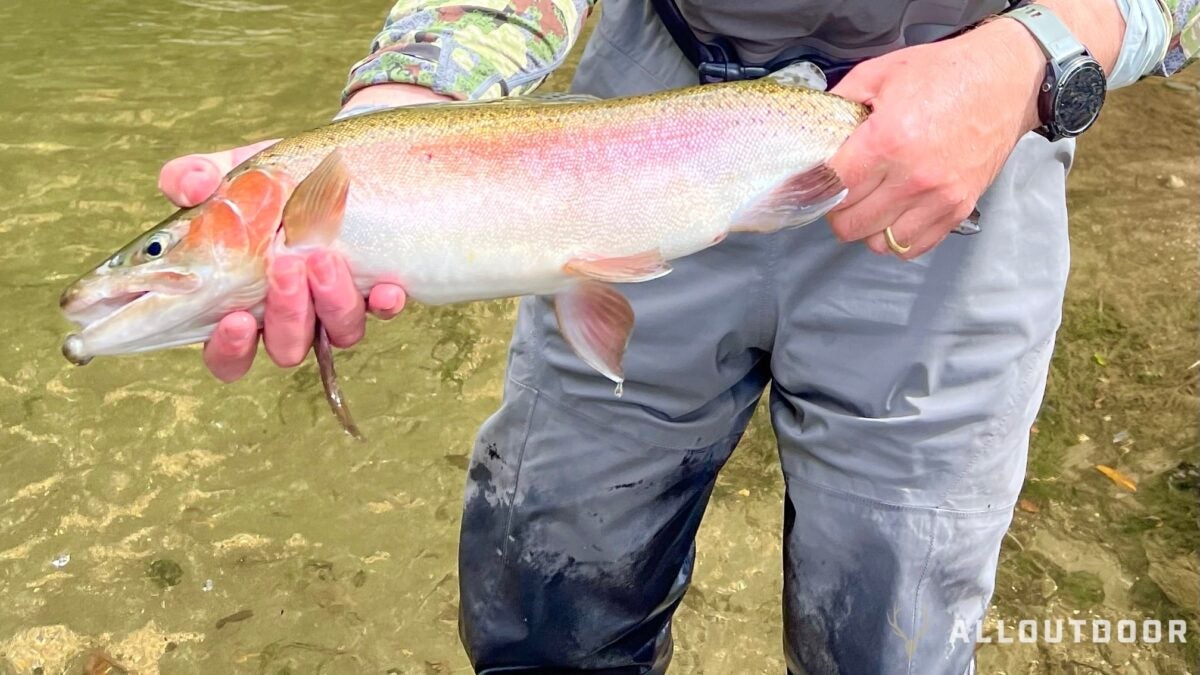
Trout fishing represents a beloved outdoor pastime, combining the tranquility of nature with the exhilarating challenge of catching fish. It appeals to both novices and experienced anglers alike as they pursue species such as rainbow, brown, brook, and cutthroat trout. Each of these trout varieties is famous not only for their striking colors but also for their spirited fight and delectable taste. As they inhabit rivers, lakes, and stocked fisheries across the United States, trout are accessible to everyone willing to learn the craft.
"Learning how to catch trout opens up a world of adventure in stunning landscapes," said Luke Cuenco, an outdoor enthusiast and experienced angler. With the right information and equipment, even newcomers can become successful trout fishermen. This guide aims to be a practical resource that encompasses fundamental aspects, including the understanding of trout behavior, habitat preferences, equipment needed, and effective fishing techniques focusing on the tranquil art of float fishing.
"Learning how to catch trout opens up a world of adventure in stunning landscapes,"


Understanding where to find trout is critical to a successful fishing expedition. They flourish in cool, oxygen-rich waters, typically maintaining a temperature range of 50–60°F. "Trout are most often found in rivers, streams, lakes, and ponds, as well as in stocked fisheries," Cuenco explained. In flowing waters, they tend to inhabit pools, riffles, or places near rocks and logs where they can take cover from would-be predators while looking for food. In lake environments, look for them in shaded areas, drop-offs, or near water inlets to increase your chances.
"Trout are most often found in rivers, streams, lakes, and ponds, as well as in stocked fisheries,"
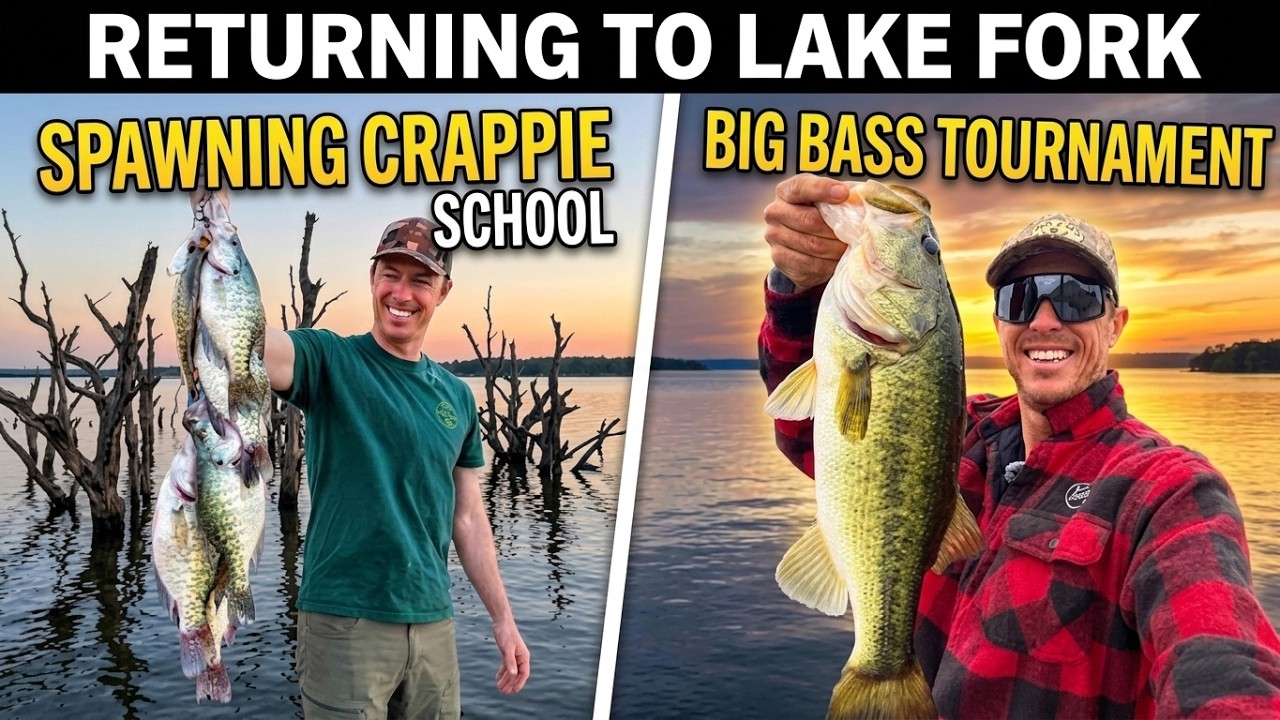
Trout exhibit opportunistic feeding behaviors, munching on aquatic insects, small fish, crustaceans, and even terrestrial creatures like grasshoppers. Interestingly, larger species, such as Brown Trout, might consume small rodents if the situation permits. Nevertheless, these fish can be quite wary, necessitating a stealthy approach to avoid spooking them, despite their eagerness to feed.
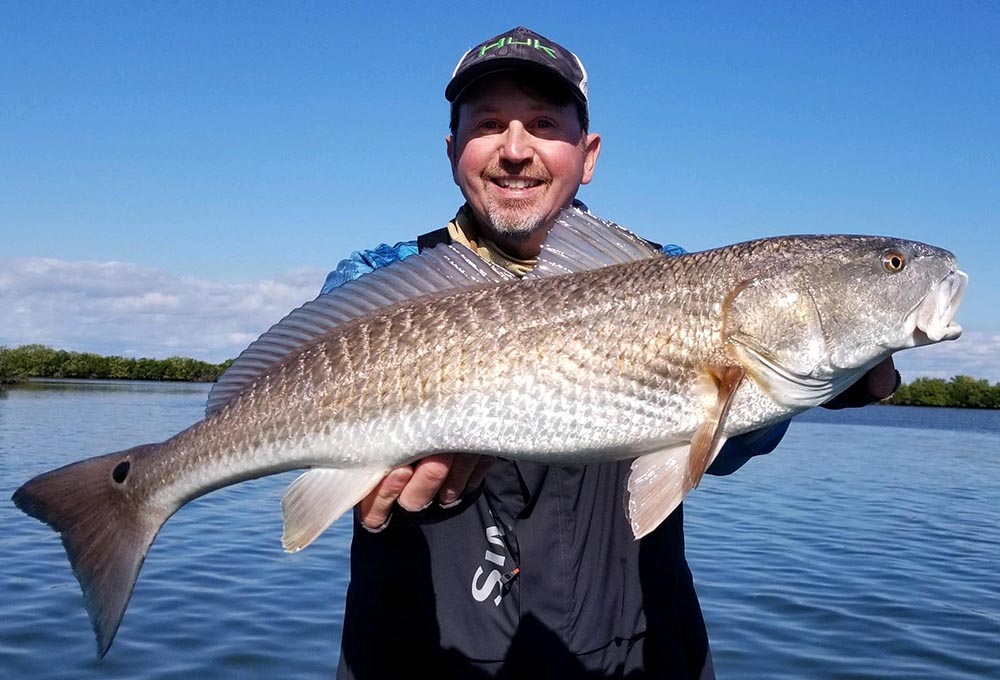
Timing plays a crucial role in successful trout fishing. Trout are notably more active during the spring and fall, times when water temperatures align with their preferences. In summer, they often retreat to the deeper and cooler waters. To pinpoint where to fish, check your local state fish and wildlife websites for stocking updates. "Many local waters are regularly stocked with trout, creating excellent fishing opportunities," Cuenco noted. National parks like Yellowstone and the Great Smoky Mountains are celebrated destinations for anglers seeking trout, while trout farms and pay-to-fish locations can provide a more controlled fishing experience.
"Many local waters are regularly stocked with trout, creating excellent fishing opportunities,"
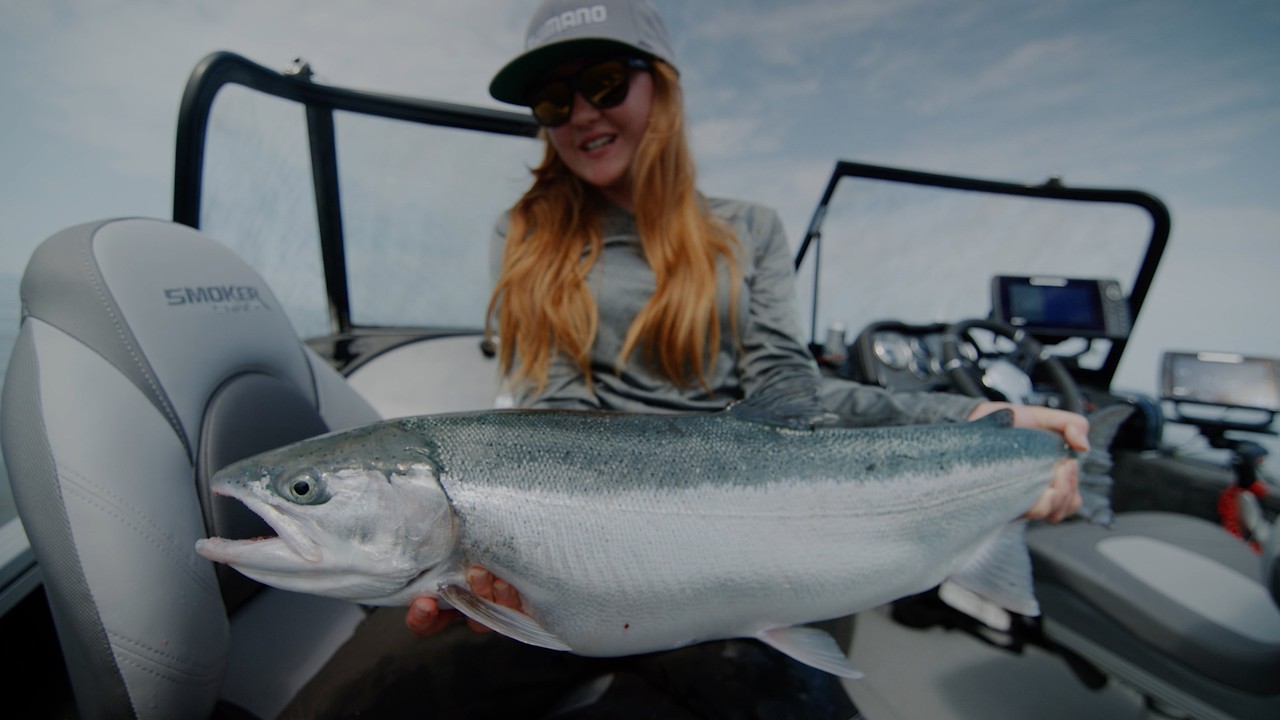
Trout is not only popular for its charm as a sport fish but also revered for its gastronomic appeal. "It’s a delicious and versatile fish, prized for its delicate, mildly sweet flavor and flaky texture," Cuenco shared. Rich in protein, omega-3 fatty acids, and vital nutrients such as vitamins D and B12, trout makes for a healthy meal option when camping. Cooking methods are diverse; from pan-frying with butter and herbs to grilling, baking, or smoking, trout can easily elevate a weekend meal.
"It’s a delicious and versatile fish, prized for its delicate, mildly sweet flavor and flaky texture,"
Career Journey
Career Journey
Career Journey
Getting appropriate gear is paramount for beginning your trout fishing journey. You don’t have to break the bank to obtain the required equipment. A 5–7-foot ultralight or light spinning rod teamed with a spinning reel (size 1000–2500) is ideal for beginners due to its sensitivity and versatility in casting small lures or bait, especially for float fishing. Cuenco advises using a test line ranging from 4–8 pounds, where fluorocarbon’s low visibility is beneficial in clear trout waters.
Finally, expert knowledge of bait is crucial. Utilizing size 8–12 single hooks alongside split shot sinkers allows for better presentation and increased chances of landing a catch. "With a bit of practice and patience, anyone can learn how to effectively catch trout and enjoy the serenity that comes along with it," Cuenco added.
"With a bit of practice and patience, anyone can learn how to effectively catch trout and enjoy the serenity that comes along with it,"
Career Journey
Career Journey
As you embark on your trout fishing journey, keep in mind that practice and experience are essential. By honing your techniques and understanding trout's habitat and behavior, you will find yourself immersed in the rewarding world of fishing. Embrace the adventure, and you may discover not just a new hobby, but a cherished way to connect with nature in its purest form.