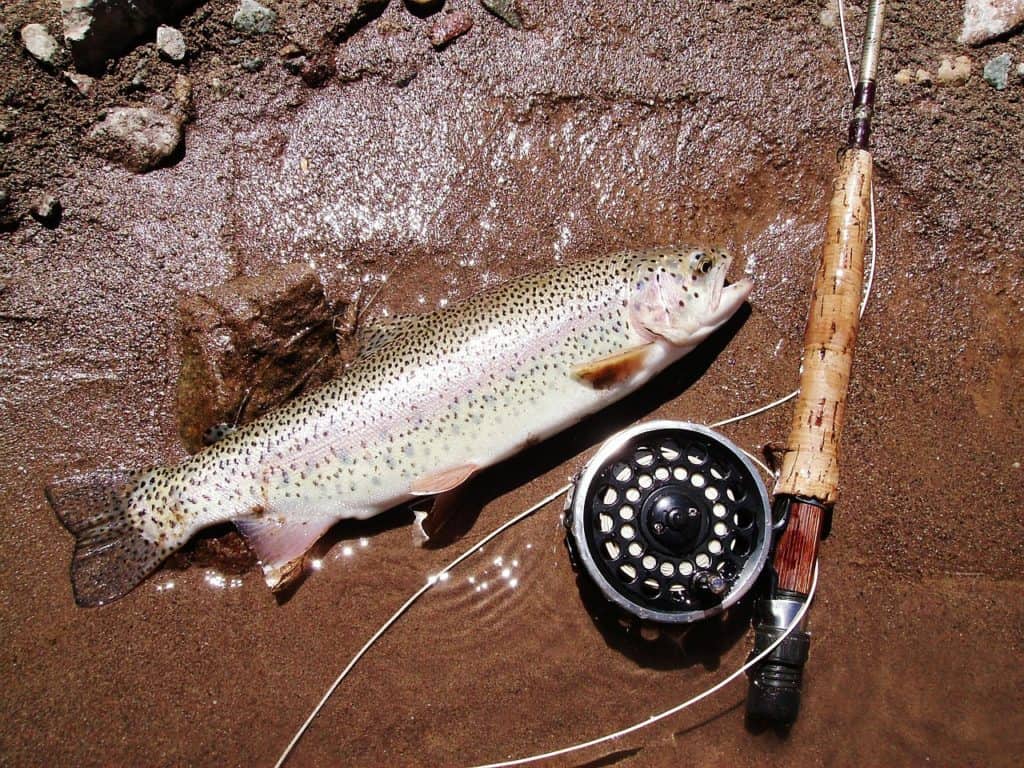
Trout fishing is more than just a pastime; it's an engaging challenge rooted in patience, skill, and a profound appreciation of nature. For both seasoned anglers and novices, successfully reeling in trout often requires a thoughtful approach that incorporates the right strategies and equipment. "Catching trout can be tricky without the right approach," said a seasoned fishing guide. With this in mind, here are eighteen vital tips to elevate your trout fishing game.
"Catching trout can be tricky without the right approach,"
Understanding Trout Behavior

A solid foundation in trout behavior is crucial for any angler looking to improve their success. By familiarizing yourself with their habitats, feeding patterns, and seasonal movements, you can heighten your chances of landing a catch.

"Trout thrive in clean, cold waters with plenty of oxygen," explained an expert biologist. This understanding distinguishes them from other species that may occupy warmer, murkier environments. Their preferred habitats can vary significantly based on the season and water conditions, which are key factors to consider when planning your fishing trips.
"Trout thrive in clean, cold waters with plenty of oxygen,"
- **Winter**: Trout are likely to be found in deep pools or slower-moving waters, conserving energy. - **Fall**: Mid-depth rivers and lakes near spawning areas are prime locations for catch. - **Summer**: Seek them in cooler, deeper waters or shaded regions particularly during warmer days. - **Spring**: Trout will venture to shallower streams and rivers as the water temperature rises.
Recognizing Trout Feeding Patterns
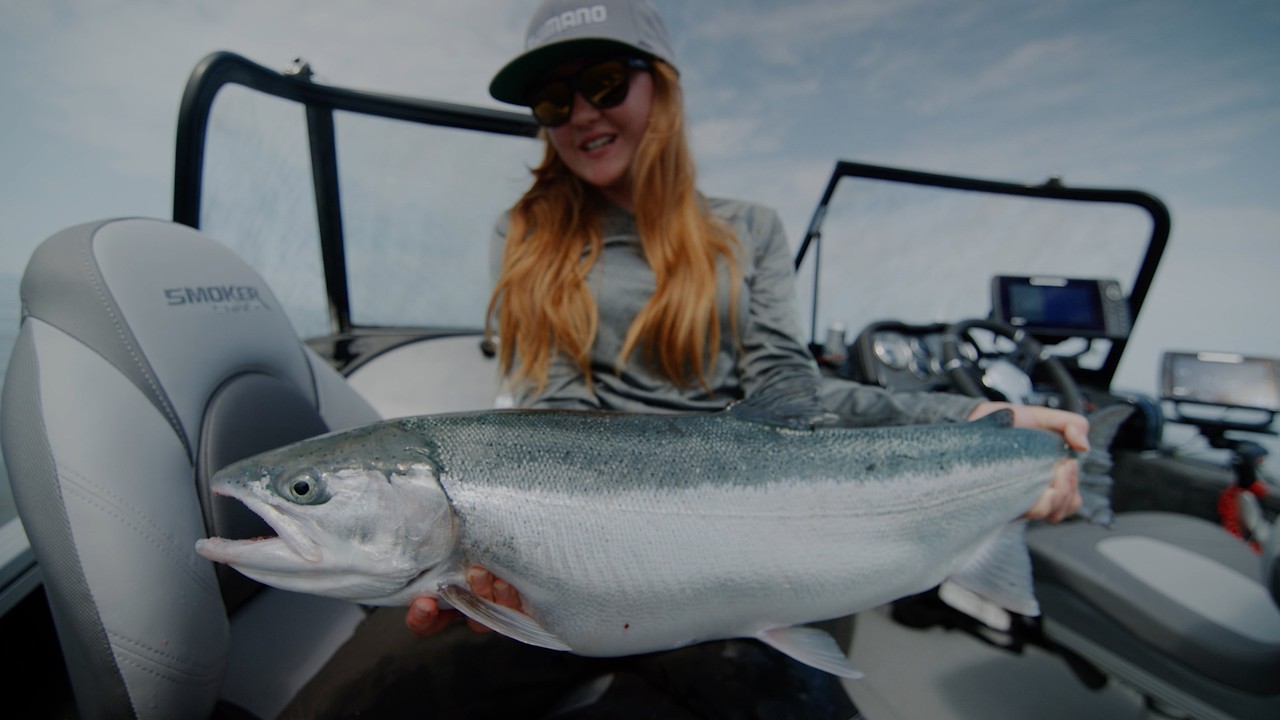
Knowing when trout are most likely to feed is integral to a successful fishing strategy. "Trout are most active during dawn and dusk," noted a veteran angler. These hours present golden opportunities for anglers willing to capitalize on this behavior.
"Trout are most active during dawn and dusk,"
Seasonal differences affect their diets too. Adjustments in bait selection according to available food sources will enhance your fishing experience. Common fare includes aquatic insects, smaller fish, and crustaceans, making knowledge about their feeding preferences essential.
Types of Trout
Understanding the varieties of trout can guide your fishing techniques and bait choices. For instance, common types include: - **Rainbow Trout**: Typically weighing 1-5 lbs, they thrive in rivers, lakes, and streams, favoring insects and small fish. - **Brown Trout**: Ranging from 1-10 lbs, these fish are found in cool rivers and lakes, with a diet rich in insects, crustaceans, and minnows. - **Brook Trout**: Generally smaller at 0.5-3 lbs, they inhabit cold streams and small rivers, feeding on aquatic insects and small fish.
Essential Trout Fishing Gear
An angler's gear is paramount to success on the water. Choosing the right rods and reels can significantly enhance your experience. "Opt for light to medium rods that can handle delicate casts," advised a renowned tackle manufacturer. This sensitivity is vital for detecting subtle bites while fishing.
"Opt for light to medium rods that can handle delicate casts,"
When selecting a fishing line, consideration of visibility is crucial. "Braided lines are strong but visible, making them suited for murky waters," noted a fishing gear expert. In contrast, fluorocarbon lines provide low visibility in clear water, while monofilament serves as a good all-round option for beginners.
"Braided lines are strong but visible, making them suited for murky waters,"
Selecting Baits and [Lures](/gear/fishing-lure)
Race Results
Both live bait and artificial lures can yield great results. An experienced angler suggested trying out spinners, spoons, and soft plastics to mimic small fish and insects. Common live bait choices include worms, minnows, and various insects like crickets, which can attract trout effectively.
Location Matters
Championship Implications
Picking the right fishing spot remains crucial for success. "Look for cover and structure, such as logs, rocks, and underwater plants, as these provide safe havens for trout," emphasized a fishing expert. These structures often serve as ambush points for trout looking to evade predators.
"Look for cover and structure, such as logs, rocks, and underwater plants, as these provide safe havens for trout,"
Understanding water depth is equally important. In warmer weather, deeper pools are more favorable, while cooler conditions draw trout to shallower regions.
Effective Casting Techniques
Race Results
When it comes to casting, precision is essential. "Short casts into close-range cover are often more effective," remarked a seasoned fly-fisherman. Trout typically stay near cover, so a well-placed cast can yield excellent results. Along with accuracy, avoiding splashes during casting can help maintain a stealthy approach.
"Short casts into close-range cover are often more effective,"
Retrieve Patterns that Attract Trout
Finally, how you retrieve your bait can mimic natural movement and entice trout. An expert angler stated, "A slow and steady retrieve can simulate a natural motion that calm trout find appealing." Incorporating jerking motions can also provoke reaction strikes from more aggressive fish, while pausing intermittently can provoke further interest.
In conclusion, effective trout fishing is a combination of understanding fish behavior, selecting the right gear, casting accurately, and employing successful retrieval techniques. As you refine these skills, each outing holds potential for learning and enjoyment on the water, thus enhancing not only your fishing success but also your connection with nature.