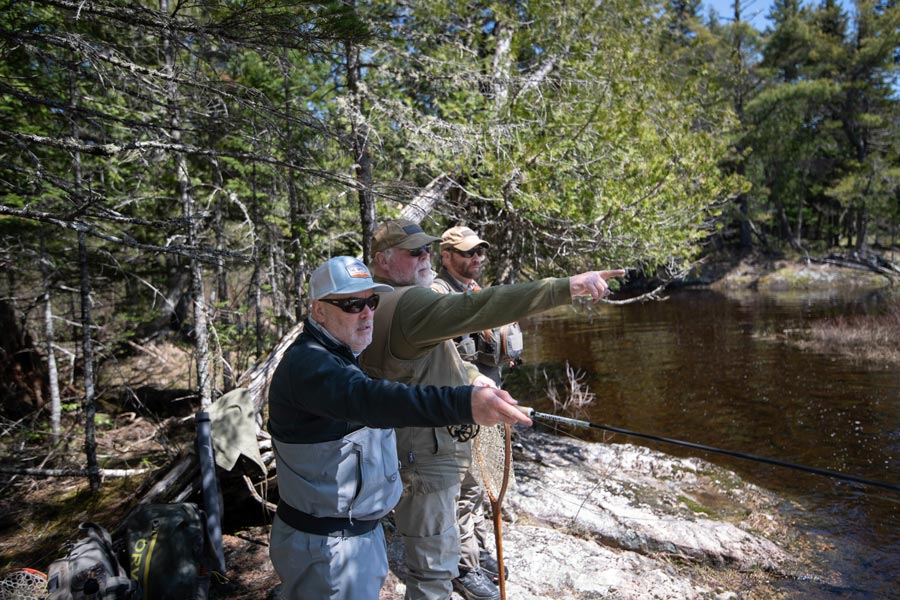
Effective trout fishing requires a strategic approach before casting any lines. According to experts in the field, such as Phil Monahan, the first steps often determine the success of your fishing expedition.
"Fly-fishing success starts before you make the first cast," said Phil Monahan, author of "The Orvis Quick-Start Guide to Fly Fishing." This essential reminder emphasizes the importance of selecting the right stream and preparing your gear effectively. It’s not just about having the right equipment; it’s also about how you present yourself to the water.
"Fly-fishing success starts before you make the first cast,"


Before entering the water, anglers should take a moment to analyze the surroundings. Observing the stream will reveal potential trout lies as well as any visible signs of feeding activity. "First you must use your most vital pieces of equipment: your eyes," Monahan advised. Rushing into the water can lead to disturbing the fish before the first cast is even made.
"First you must use your most vital pieces of equipment: your eyes,"
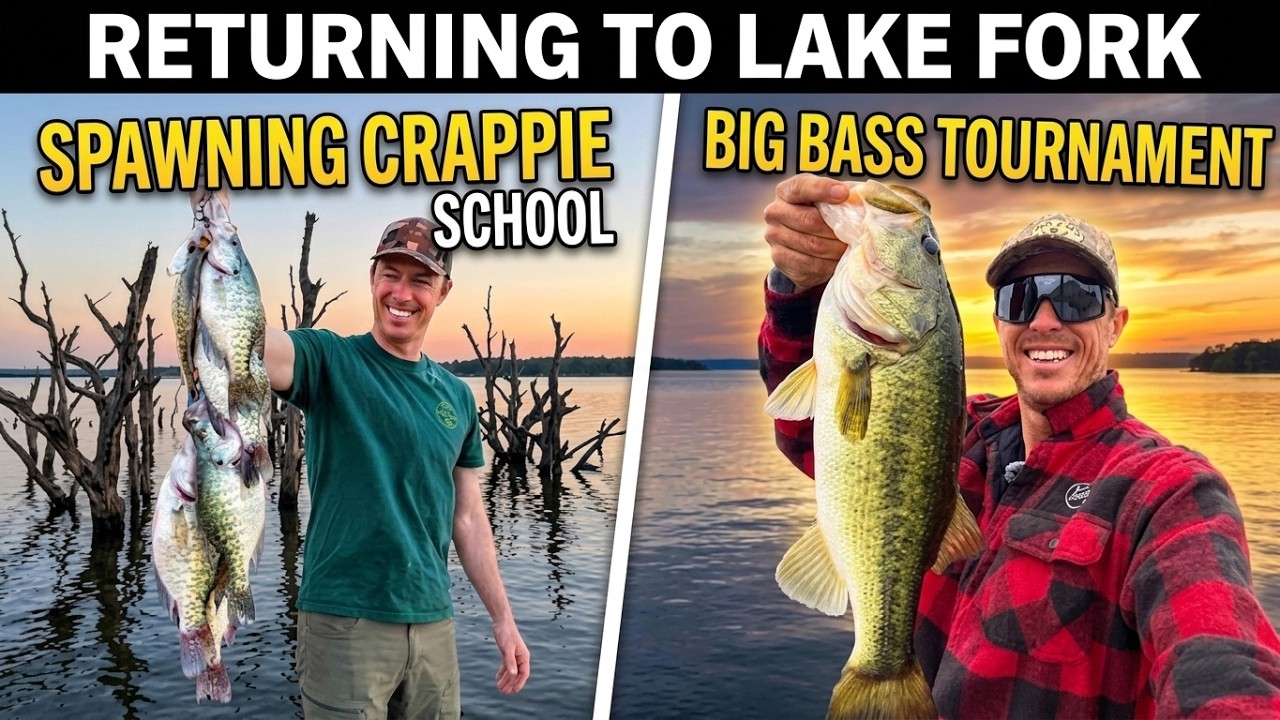
The stealth necessary when approaching the riverbank cannot be overstated. Staying back from the water’s edge can prevent spooking fish that are holding close to the banks. While it may be tempting to aim for the best-looking spots, it often pays to check areas that seem less promising. Monahan recounted, "During my time as a guide, I regularly had to stop clients from wading into the very fish we were trying to catch."
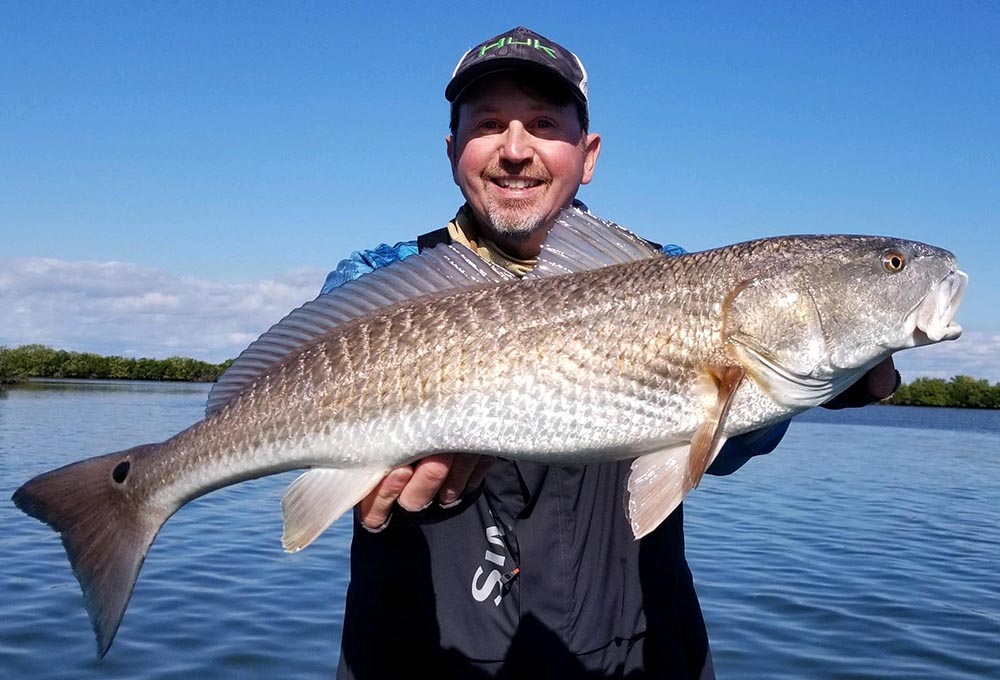
Once you’ve assessed the immediate area, it’s time to pinpoint potential hotspots. "Where are the trout most likely to be?" Monahan asked. By visualizing where the fish are located and planning your casting positions accordingly, you can effectively minimize disturbances. Anglers are advised to work methodically from near to far to avoid alerting one fish while trying to catch another.
"Wade carefully, trying to make as little wake as possible," Monahan suggested. Paying attention to where your shadow falls is just as important. For instance, if a trout is visible and rising, it's critical not to rush in. Observing the rhythm of its rises can provide clues about the type of food available. Monahan noted that whether the fish rises at a steady pace or sporadically can indicate an ongoing hatch or the nature of its feeding habits.
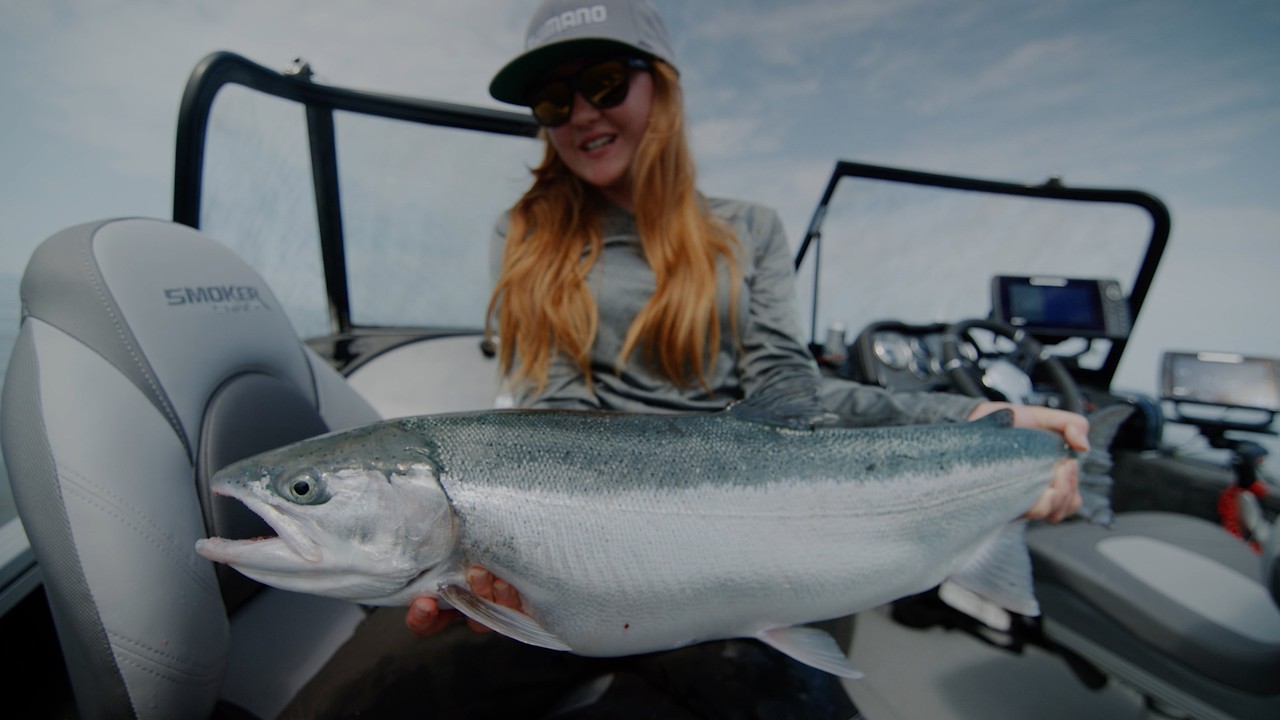
"Wade carefully, trying to make as little wake as possible,"
Not every rising trout feeds on the same insect, and some may have specific patterns that can lead an angler to success. "You may have to change flies a few times before you hit on the right imitation," stated Monahan. This variability punctuates the excitement that comes with fly fishing.
"You may have to change flies a few times before you hit on the right imitation,"
Impact and Legacy
Impact and Legacy
Impact and Legacy
This process of keen observation also influences how you rig your line and fly. To enhance your chances, many seasoned anglers opt to set their tackle only after assessing the waters they plan to fish. Monahan noted, "This measured, considered approach will help you catch more trout."
Avoiding spooking fish is equally crucial. Trout, vulnerable to predation, are naturally skittish and can be easily frightened. Once a trout is startled, the likelihood of capturing it diminishes significantly. Observers note that trout are particularly aware of threats from above, which makes stealth essential. "Trout have to worry about predators, so they are often very wary and easily spooked," said Monahan.
"Trout have to worry about predators, so they are often very wary and easily spooked,"
Conditions affecting visibility can heighten the wariness of trout. In bright sunlight, low water, and clear conditions, fish become more alert. Monahan advises anglers to exercise additional caution during these times: "Whenever you encounter these conditions, stay farther away from your target and be extra careful about your movements."
In contrast, cloudy and overcast days tend to provide a more favorable environment for angling, as they can make trout less wary. As Monahan illustrated, the key lies in adapting your approach to the conditions at hand.
In conclusion, trout fishing blends science and art, wherein the success of your outings hinges on careful observation and stealthy techniques. By employing these insights, fishermen can create a strategic plan, leading to a more fruitful and enjoyable fishing expedition. With each trip to the stream, the lessons learned can help refine one’s skills and enhance the angling experience.