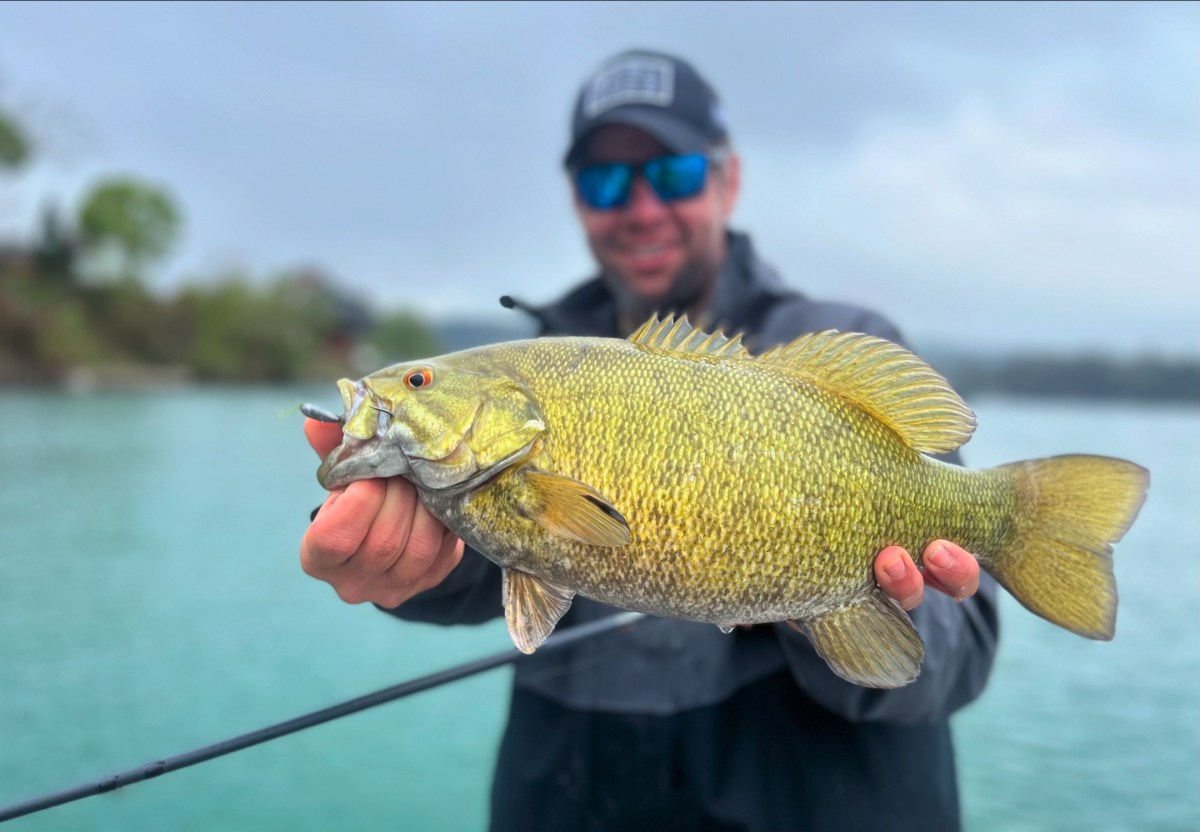
Smallmouth bass have earned a legendary reputation among freshwater anglers across the United States, and for good reason. These bronze-backed warriors are widely considered among the most formidable opponents any angler can face in American waters.
"Pound for pound, they are one of the strongest and most aggressive fish that swim in U.S. freshwater," noted an expert angler, highlighting what makes these fish such prized catches. Their combination of raw fighting power and tactical intelligence has made them a favorite target for fishing enthusiasts from coast to coast.
What sets smallmouth bass apart isn't just their fighting ability—it's their remarkable adaptability to diverse aquatic environments. These versatile fish thrive in everything from peaceful neighborhood lakes to rushing rivers and vast reservoir systems. Their preference for rocky and muddy bottoms, along with areas featuring sparse vegetation, makes them accessible to anglers in a wide variety of settings.


Understanding the smallmouth's dietary preferences is fundamental to fishing success. These predators feed heavily on crayfish, making crustacean-mimicking lures particularly effective. However, the presentation strategy can be just as important as lure selection.
"An aggressive lure presentation often makes smallmouth get competitive over the meal, triggering big reaction strikes," advised a seasoned fisherman, emphasizing the importance of technique over equipment alone.
"An aggressive lure presentation often makes smallmouth get competitive over the meal, triggering big reaction strikes,"
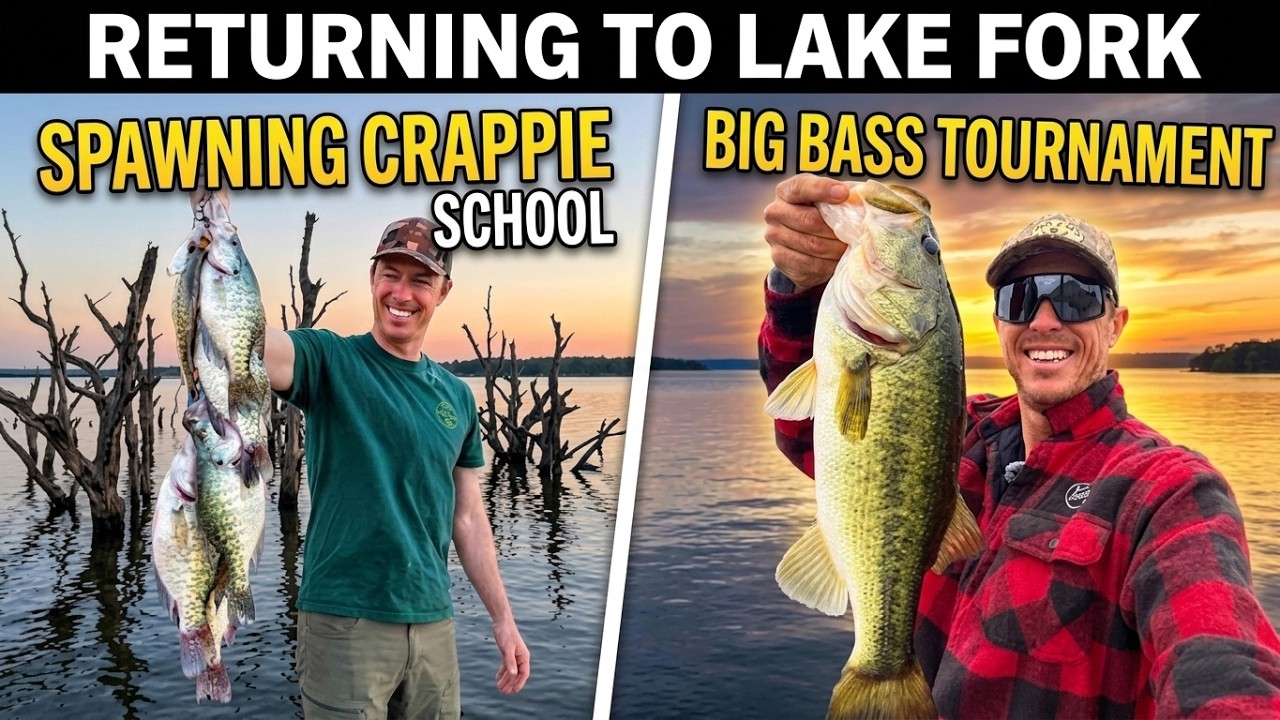
Water clarity plays a crucial role in determining the most effective approach. In crystal-clear environments, smallmouth bass can become surprisingly line-shy, requiring anglers to adjust their tactics accordingly. Using lighter leaders in these conditions helps avoid spooking these intelligent fish.
Timing can also make the difference between success and frustration on the water. "Smallmouth feed heavily in the dark, making nighttime missions a fun new challenge for many anglers," remarked another fishing aficionado. This nocturnal feeding behavior opens up entirely new fishing opportunities for those willing to venture out after sunset.
"Smallmouth feed heavily in the dark, making nighttime missions a fun new challenge for many anglers,"
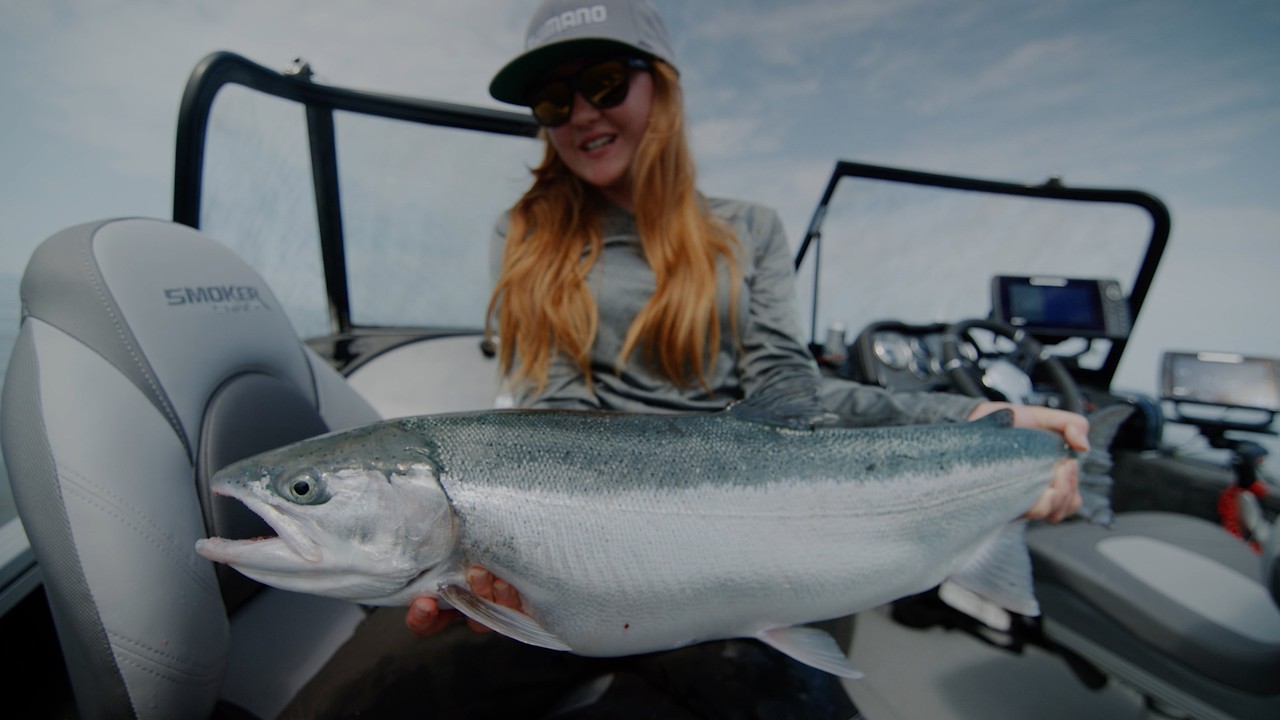
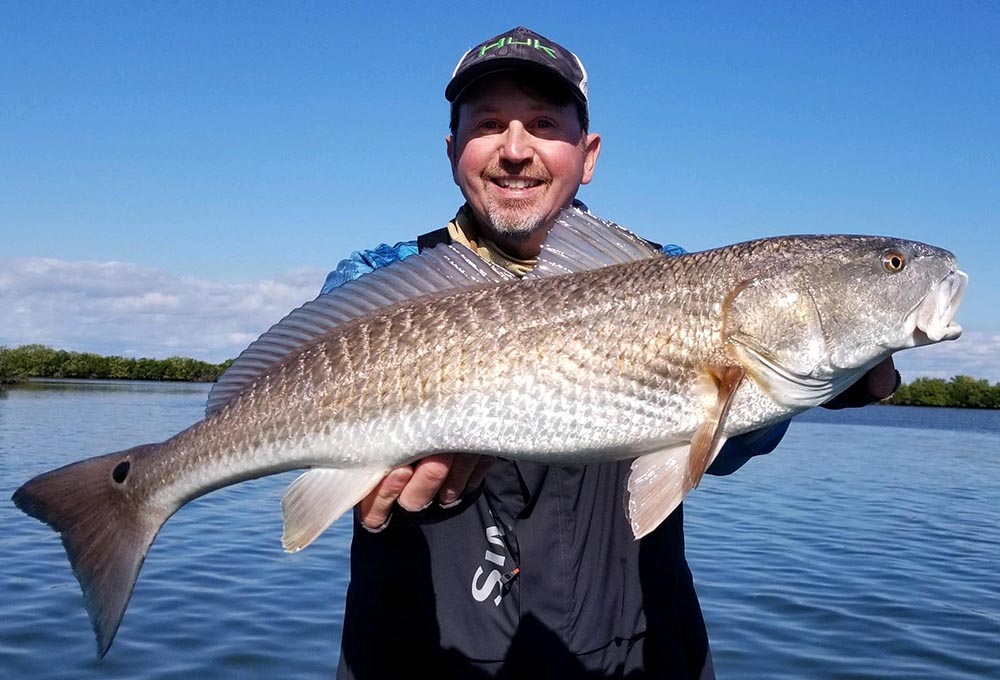
Interestingly, smallmouth bass share some behavioral characteristics with trout, particularly their response to aquatic insect hatches. This similarity creates exciting opportunities for fly fishing enthusiasts who can adapt their trout techniques to target these powerful bass.
Impact and Legacy
Seasonal patterns significantly influence smallmouth behavior and, consequently, the most effective fishing strategies. During summer months, topwater lures such as poppers and Spooks become go-to choices for both still and moving waters. The explosive surface strikes that result from topwater fishing create some of the most thrilling moments in freshwater angling.
When uncertainty strikes regarding lure selection, experienced anglers recommend defaulting to white-colored lures or flies, which have consistently proven their ability to entice smallmouth bass across various conditions and locations.
Gear selection requires careful consideration of the unique challenges that smallmouth bass present. Unlike their largemouth cousins, smallmouth bass typically inhabit clearer, deeper waters, creating specific visibility challenges for anglers.
"Because smallmouth fight so hard, many anglers opt for a heavy setup," explained one long-time smallmouth enthusiast. However, this approach can actually work against success in many situations.
"Because smallmouth fight so hard, many anglers opt for a heavy setup,"
Countering conventional wisdom, lighter line testing between 6 to 12 pounds often proves more effective in securing bites. The key lies in balancing stealth with strength—light enough to avoid detection, yet strong enough to handle the smallmouth's legendary fighting ability.
Career Journey
Fluorocarbon leaders represent a game-changing technology for smallmouth fishing. These nearly invisible lines disappear underwater, presenting a more natural bait appearance that can mean the difference between a strike and a refusal.
Successful smallmouth anglers prepare for varying conditions by carrying multiple leader strengths and adjusting their reel's drag system to accommodate lighter lines. This adaptability allows them to respond to changing conditions throughout the day.
Rod selection demands equal attention to environmental factors. Narrow rivers call for shorter, lighter spinning rods that provide better maneuverability in confined spaces. Conversely, large reservoirs require heavier, longer rods capable of handling bigger lures and longer casts effectively.
Rod action—how quickly the rod responds to pressure—becomes critical when targeting these lightning-fast fish. Regardless of location, speed in hook-setting and fish-fighting remains paramount to smallmouth success.
The pursuit of smallmouth bass offers rewarding experiences for anglers at every skill level. Success depends on matching the right combination of lures, gear, and techniques to specific environmental conditions. As seasons change and water conditions vary, adaptability remains the cornerstone of smallmouth fishing success.
Whether you're a novice angler looking to experience the thrill of your first smallmouth fight or a seasoned veteran seeking to refine your techniques, these bronze-backed warriors promise an unforgettable challenge. With proper preparation and the right approach, any angler can increase their chances of landing these formidable freshwater fighters.