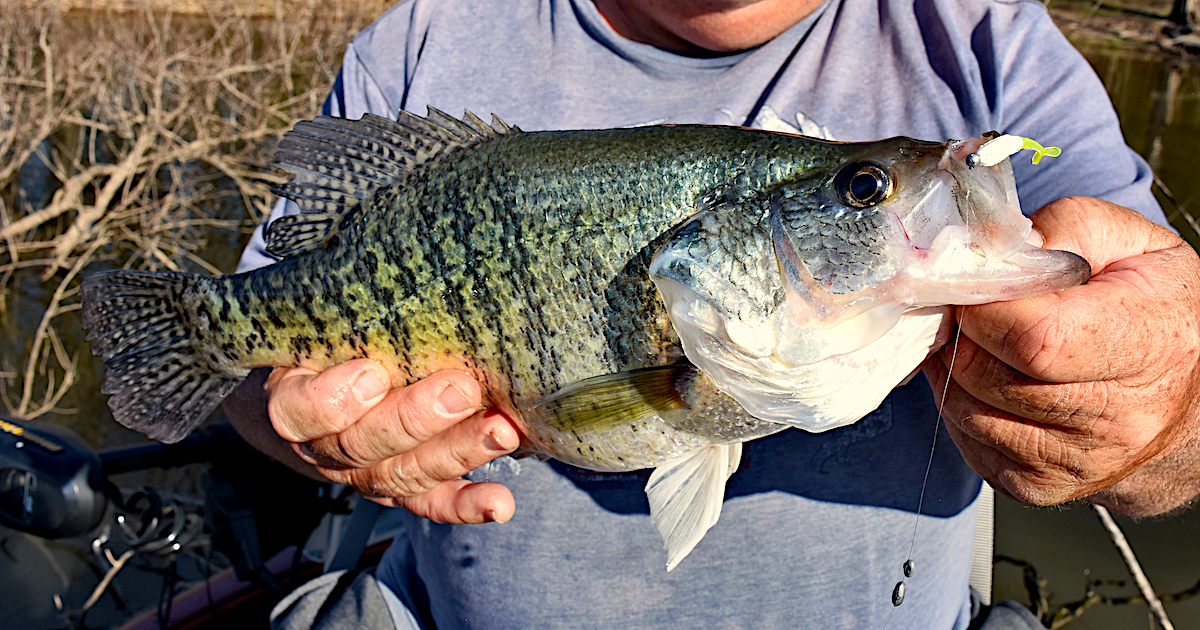
The early months of the year market an exciting time for crappie fishing enthusiasts as anglers begin targeting pre-spawn crappie in deep water. February and March are particularly prime for catching these fish, as they roam in anticipation of spawning. Expert techniques can enhance success in this open water fishing season, and seasoned anglers have much to teach about getting baits in the right zone.
An experienced crappie fishing guide, Todd Huckabee, fondly recalls a time 20 years ago when he introduced this style of fishing to a newcomer. "I’d idle along 'in the middle of nowhere' while keeping an eagle eye on my electronics," Huckabee said, reflecting on the strategies he employed on the Grand River above Fort Gibson Lake and Lake Eufaula’s creeks. Despite the lack of advanced sonar technology at the time, he was adept at identifying where crappie lurked, showcasing his deep understanding of the fish's behavior.
"I’d idle along 'in the middle of nowhere' while keeping an eagle eye on my electronics,"

In those early days, Huckabee noticed that many signals on his electronics often resembled typical baitfish patterns. Much to his and his companion's surprise, their jigs would consistently attract crappie from depths exceeding 25 feet. This experience piqued the question of how such expertise was developed. Huckabee's knowledgeable responses only deepened the interest of those he taught. “To know where and how to find crappie is a skill honed over years of trial and error,” he explained.

As crappie fishing techniques evolved, so did the depth and precision at which these fish can be targeted. Among today’s leading voices are Dustin McDaniel and Gary Rowe, both of whom have earned substantial respect in the crappie fishing community due to their expertise in deep water fishing. While both use forward-facing sonar technology like Garmin LiveScope, they adopt contrasting styles when it comes to bait rigging for depths reaching 50 feet or more.
McDaniel, a crappie guide specializing in northeastern Oklahoma’s Grand Lake, has his own approach to targeting quality crappie. “Grand doesn’t have the giant crappie like Grenada and other trophy destinations can offer, but we have plenty of dandies to make most any crappie angler proud,” he said. This commitment to quality over quantity resonates with those eager for a productive trip, guiding clients effectively to the fish.
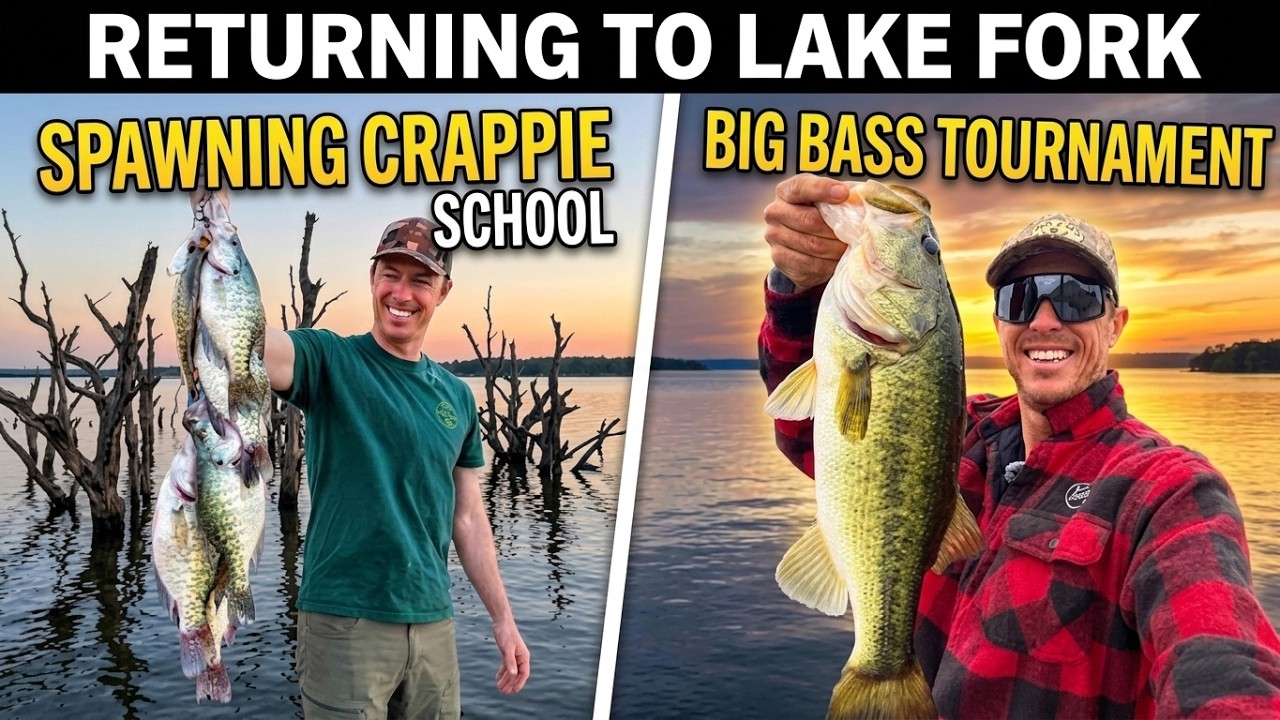
Embracing forward-facing sonar, McDaniel expertly identifies individual crappie known as “roamers.” “Crappie look different than most gamefish on LiveScope, typically appearing more roundish and showing little body movement,” he explained. This nuanced understanding of the fish's behavior is key to his technique.
For McDaniel, stealth is vital to success. He often keeps his distance from target fish and utilizes a longer rod—between 14 to 16 feet—to avoid spooking them. The preparation culminates with precise bait placement. McDaniel advises, “Drop the bait straight down and stop it about 3 to 4 feet above the crappie, allowing you to make adjustments without alarming the fish.” He emphasizes that crappie tend to feed upwards, thus proper lure placement is essential to fool them.
Once the lure is aligned correctly, reeling is done slowly and steadily until the crappie bites. This straightforward approach may seem simple, but, as McDaniel notes, “It takes a lot of practice to bring lure and fish together, and depth confounds the situation.” For anglers looking to refine their skills, McDaniel's insights serve as an invaluable learning tool.
As the water warms and crappie prepare for spawning, now is the perfect time to implement these techniques on your next outing. The thrill of catching crappie during these prime months is intensified by the camaraderie of shared knowledge among anglers and the deep waters that harbor such prized fish. Each day spent hunting for pre-spawn crappie presents a new opportunity to learn and connect with nature while enjoying the sport at its finest.