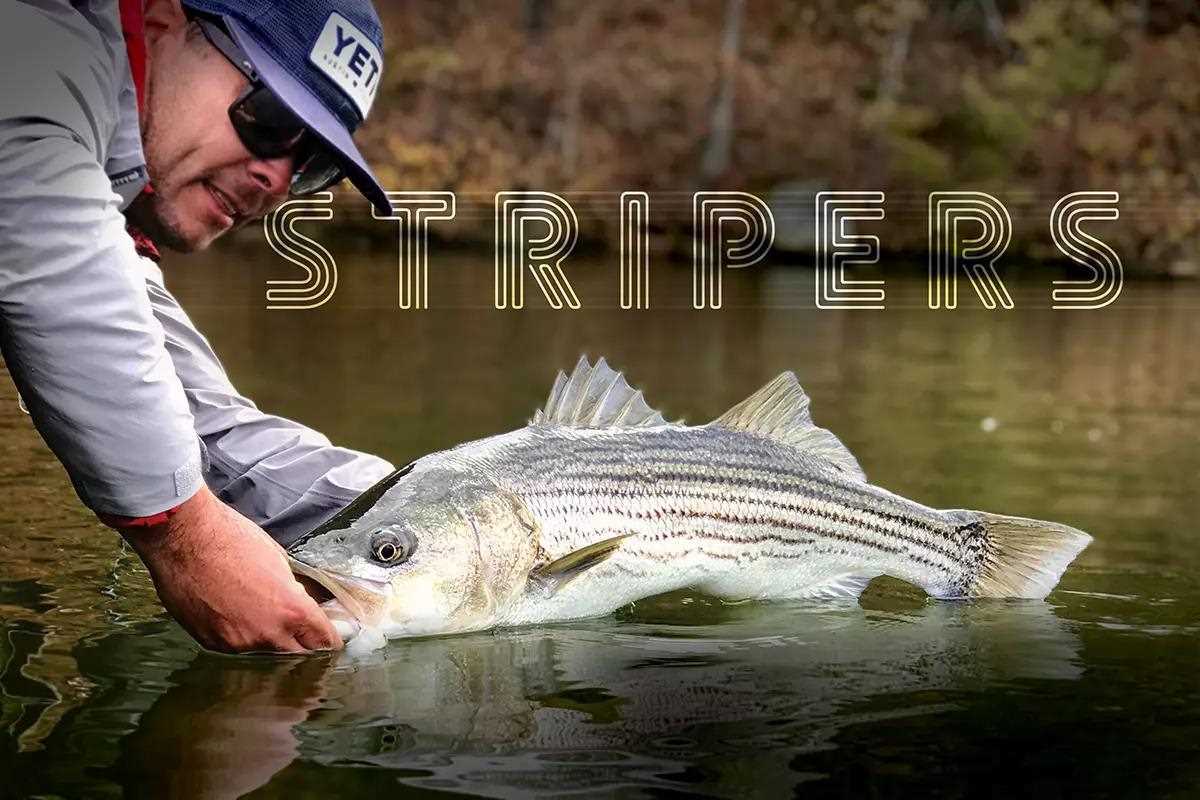
As dawn breaks over the tranquil waters, an excitement permeates the air for anglers seeking one of freshwater fishing's prized catches: the landlocked striped bass. These fish, which found themselves isolated from their oceanic counterparts in the 1950s, now thrive in lakes and reservoirs across more than 35 states, from the Carolinas all the way to California.
"When you see baitfish starting to flicker on the surface, that's your first clue," said Blane Chocklett, a renowned fly fisherman and expert on targeting these elusive freshwater stripers. His insights can be invaluable for both novice and seasoned anglers hoping to connect with this unique species.
"When you see baitfish starting to flicker on the surface, that's your first clue,"

In many respects, the world of landlocked stripers mirrors that of their saltwater brethren, but key differences do exist. For instance, while pursuing these fish, it is essential to be aware of their feeding behavior. With the sun rising higher, it often isn't long before the surface erupts—a cacophony of splashes and roars as striped bass pursue their prey.

"These fish can be incredibly dramatic. Seeing how they react to bait can really set the stage for a successful day of fishing," Chocklett noted. Understanding these interactions between predator and prey is crucial to finding success.
Impact and Legacy
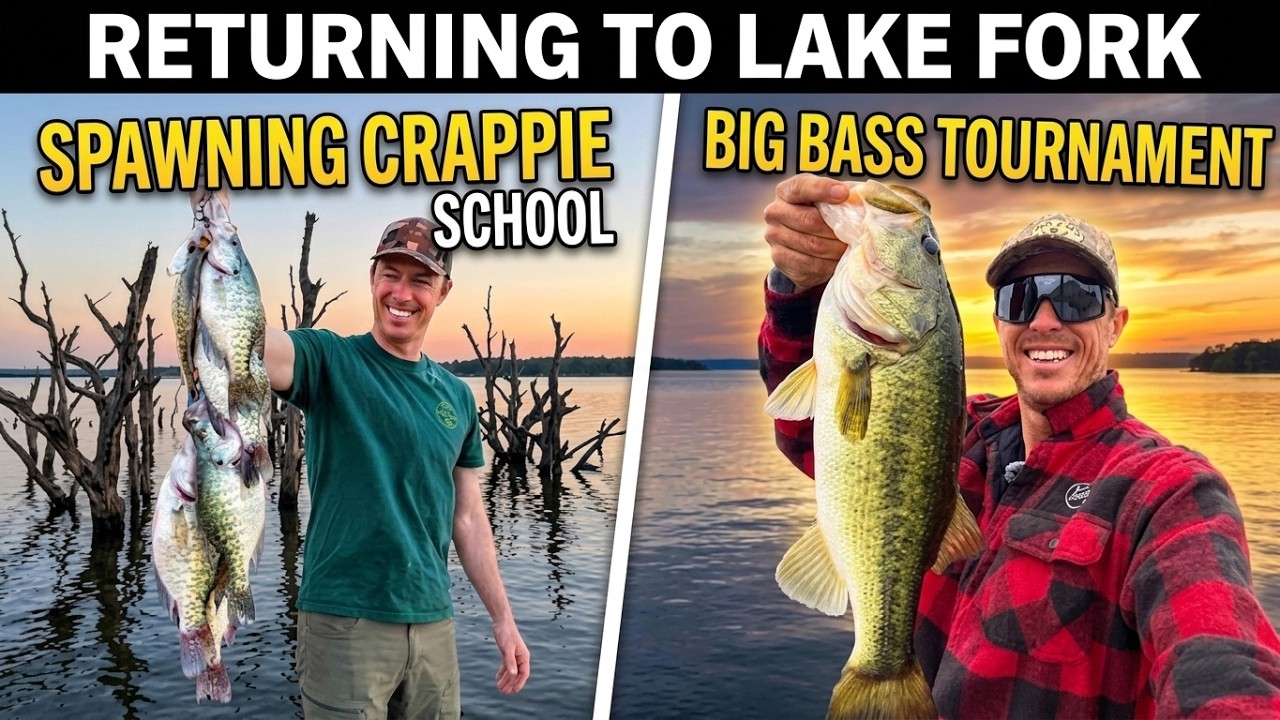
Chocklett’s most impactful piece of advice is to remain adaptable. In his experience, strategic positioning with the boat can make a significant difference. "A well-placed cast to the right area is everything. You want to be where the action is happening," he stated.
As the morning progresses, maintaining a tight connection to your gear is paramount. "Letting the fly move naturally within the feeding frenzy can often elicit strikes that a static presentation won’t," Chocklett added. This principle of dynamic fishing remains a fundamental at the core of his technique.
"Letting the fly move naturally within the feeding frenzy can often elicit strikes that a static presentation won’t,"
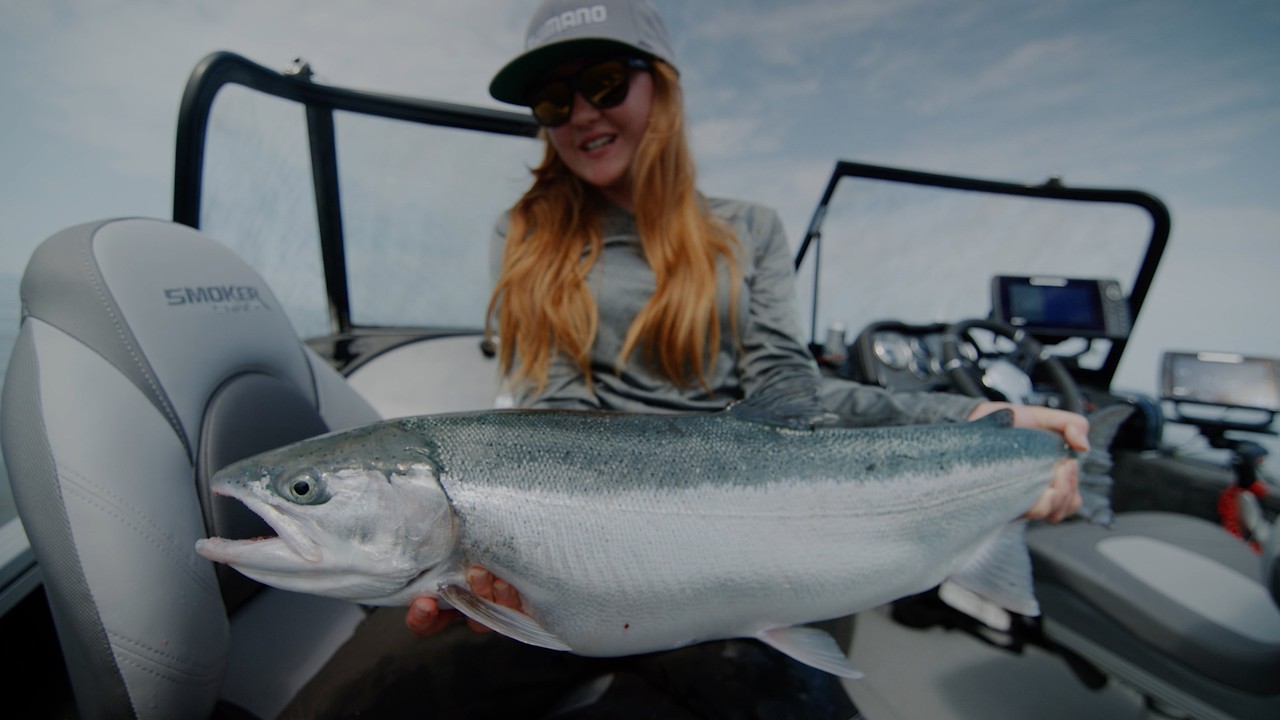
Just as important as strategy is gear selection. Freshwater stripers can be daunting opponents; thus, having the right equipment can ensure that once they take the bait, the fight is manageable. Chocklett recommended using fast-action rods paired with strong, reliable reels. "You need gear that can handle both the weight of the fish and the rigors of the lake environment," he explained.
"You need gear that can handle both the weight of the fish and the rigors of the lake environment,"
Impact and Legacy
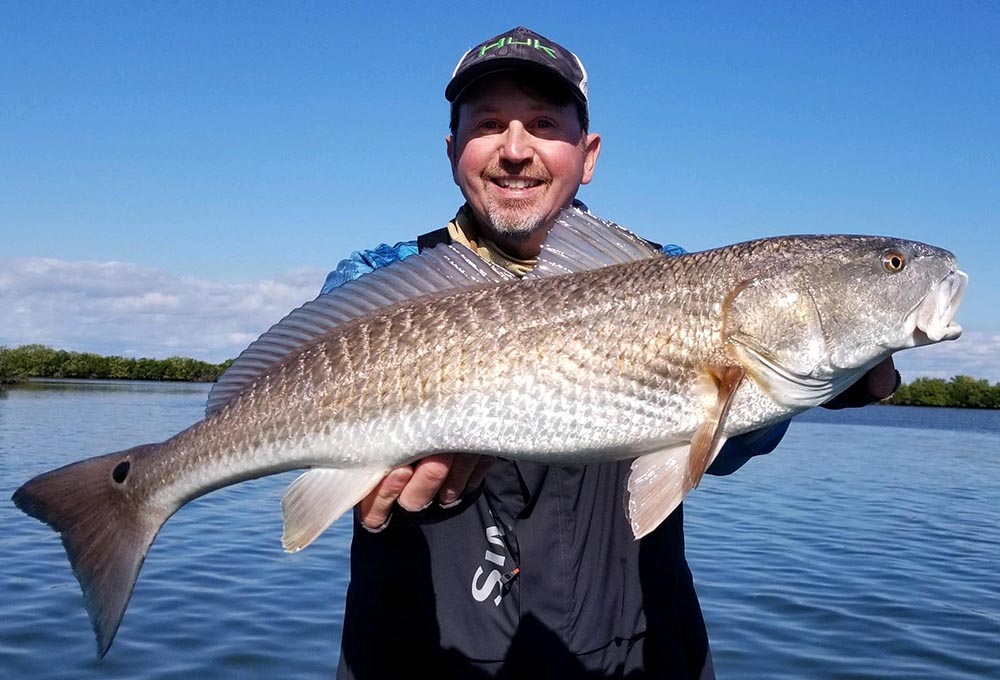
Moreover, the fly choice can greatly influence success. "Strippers are notoriously attracted to specific colors and sizes. Matching the hatch is essential in these situations," Chocklett emphasized. This means that avid anglers will need to be prepared with a variety of flies to switch between based on the baitfish present.
The experience of fishing for landlocked stripers goes beyond technique and gear; it is also about understanding the environment. Identifying prime locations—such as structures where bass are likely to hide—can often lead to greater opportunities. “Look for underwater structures, ledges, and drop-offs. These are hotspots where stripers tend to lurk,” warned Chocklett.
As the day continues, Chocklett reflects on the joys of fishing beyond just the catch. “Every trip on the water offers a chance to learn something new. The tranquility mixed with the thrill of the chase makes every outing unique," he remarked.
Daylight fades, but the lessons shared by Chocklett resonate with passion. Catching these landlocked stripers can be a thrilling adventure, filled with moments that keep anglers returning to the water for years.
As the popularity of this fishing style continues to grow, Chocklett’s insights offer a blueprint for anyone keen on maximizing their freshwater fishing experiences. Understanding the habitat, honing techniques, and refining gear selections contribute not only to successful outings but also to the greater appreciation of a sport that is ever-evolving.
In conclusion, landlocked freshwater stripers provide a unique fishing experience, offering challenges that can excite anglers. With expert guidance from Chocklett, the opportunity for successful outings grows significantly, opening up a world of adventure across America’s scenic lakes and reservoirs.