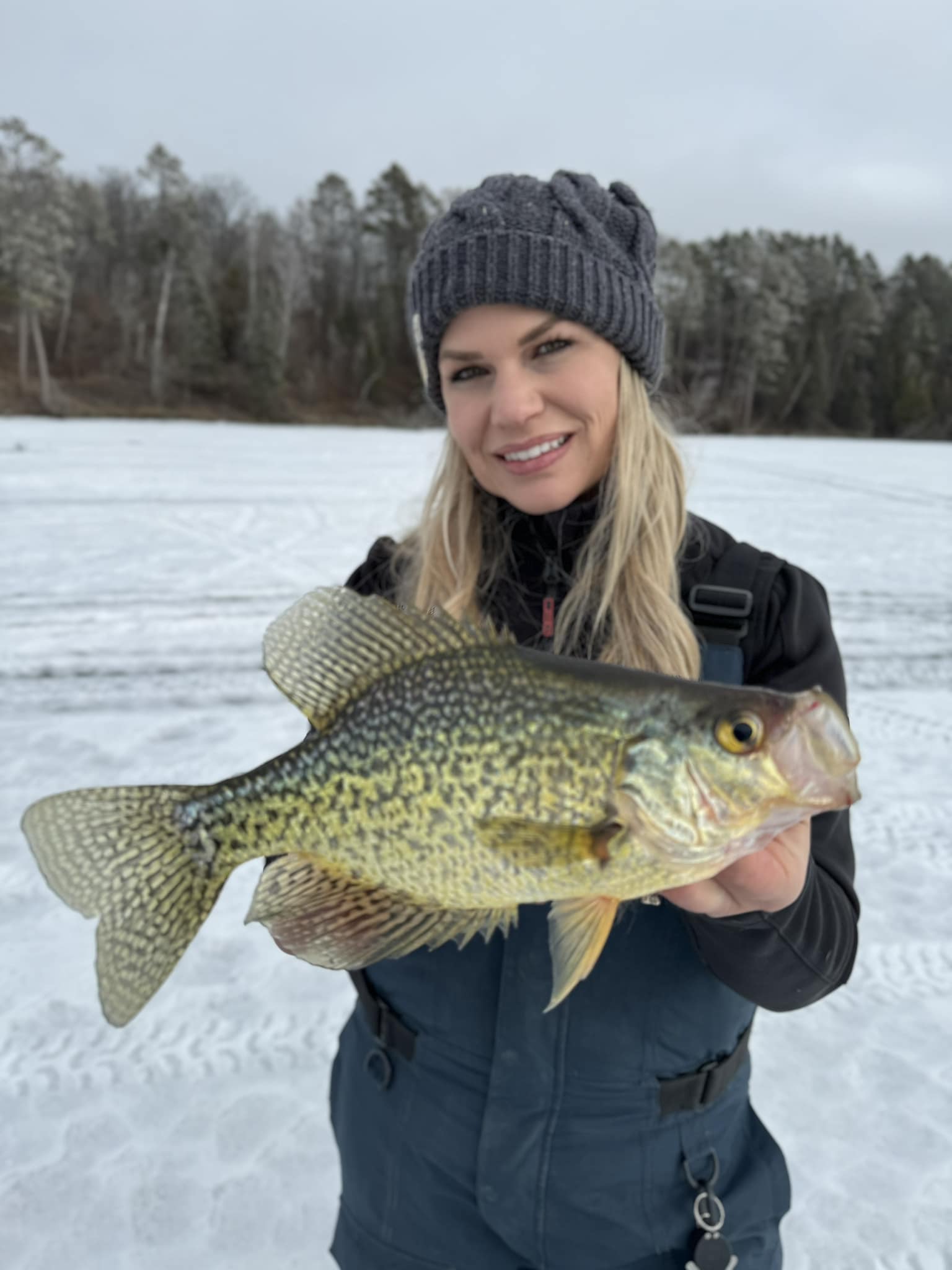
Ice fishing enthusiasts often find themselves faced with the daunting task of identifying crappie hotspots beneath a thick layer of ice. As Nicole Stone, a dedicated angler, notes, "Finding crappie on a frozen lake is a daunting task. With endless water to cover, it’s crucial to put your effort into the specific times and places that will increase your odds of success."
For newcomers to ice fishing, the abundance of water can feel overwhelming. Generic online resources tend to offer vague tips, which can leave anglers feeling confused rather than confident. Stone aims to remedy that by detailing the nuances involved in successfully catching crappie during the winter months.
Before setting out on the ice, Stone emphasizes the importance of selecting the right lake. "So how do you choose a lake? Use your local conservation resources. Most states have survey reports and detailed mapping." According to her experience, Minnesota's Department of Natural Resources (DNR) offers an invaluable tool—the LakeFinder, which provides insight into fish species populations, sizes, and historical data. "It makes finding a good lake a breeze."


Race Results
Initially seeking smaller lakes, ideally under 1,000 acres, is a strategic move. This size lends itself to manageable exploration. Stone explains, "I prefer smaller lakes... with a couple of different deep 'bowls' to try. This size of lakes are the most manageable and allow me to break down each basin separately." Such focused approaches can yield better results when searching for elusive crappie.
Once a promising lake has been selected, the next challenge is to pinpoint where the crappie are hanging out beneath the ice. For effective locating, anglers need to understand where crappie tend to congregate in winter. Stone highlights the significance of these locations, which often include deeper areas and structures like sunken logs or weed beds.
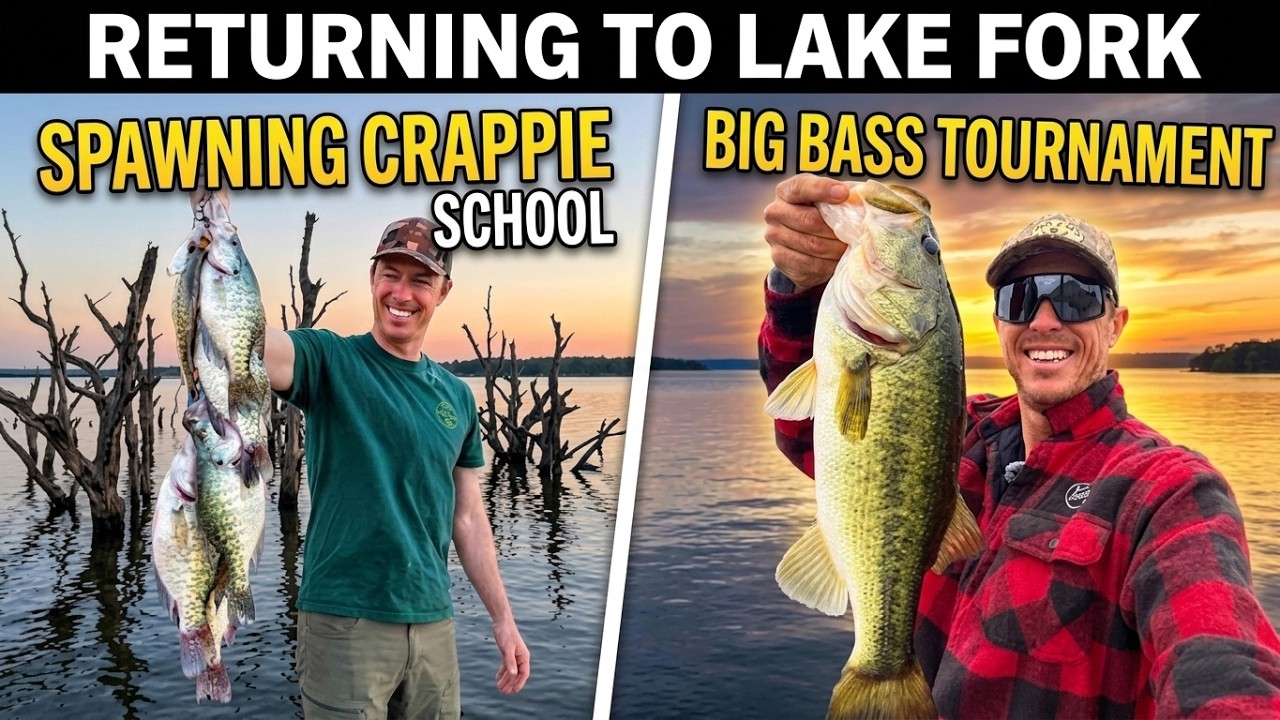
"When it comes to locating crappie during the ice season, you will find them in specific areas that offer both shelter and food. It’s crucial to understand that crappie tend to school and are more likely to be found in groups around certain underwater features," says Stone. This insight can help anglers narrow their search effectively.
Moreover, having the right equipment can make a noticeable difference in the overall fishing experience. Stone suggests that technology plays a vital role in cracking the ice fishing code. "Using fish finders and underwater cameras can drastically enhance your ability to locate crappie quickly. They provide real-time insights that can save you time and effort."

When setting up on the ice, employing the right bait is paramount. Stone advocates for using jigs and minnows as they can attract crappie effectively. "The best strategy is to use a combination of both to determine what the fish are biting on that particular day. You may find that crappie have specific preferences based on conditions."
As with all fishing endeavors, patience is crucial. Crappie fishing in winter is no exception. The weather conditions fluctuate, and fish behavior can change accordingly. Stone explains that adaptability is key: "Being able to shift your position and approach based on current conditions will only improve your chances of landing a catch."
Finally, she emphasizes the beauty of ice fishing as a community experience. "It’s not just about catching fish; it’s about the camaraderie and the moments shared with fellow anglers. Forming connections, learning from each other, and celebrating your victories together can enrich the fishing experience."
In anticipation of the ice fishing season, anglers should be equipped with knowledge and strategies that will help them enjoy productive and enjoyable outings on the lake. With the right approach, both seasoned and novice ice fishers can look forward to quality time out on the ice, enhancing their skills and catching rewards. As the season approaches, the excitement and promise of crappie can make the cold worthwhile—after all, a great catch often begins long before the first line is cast.