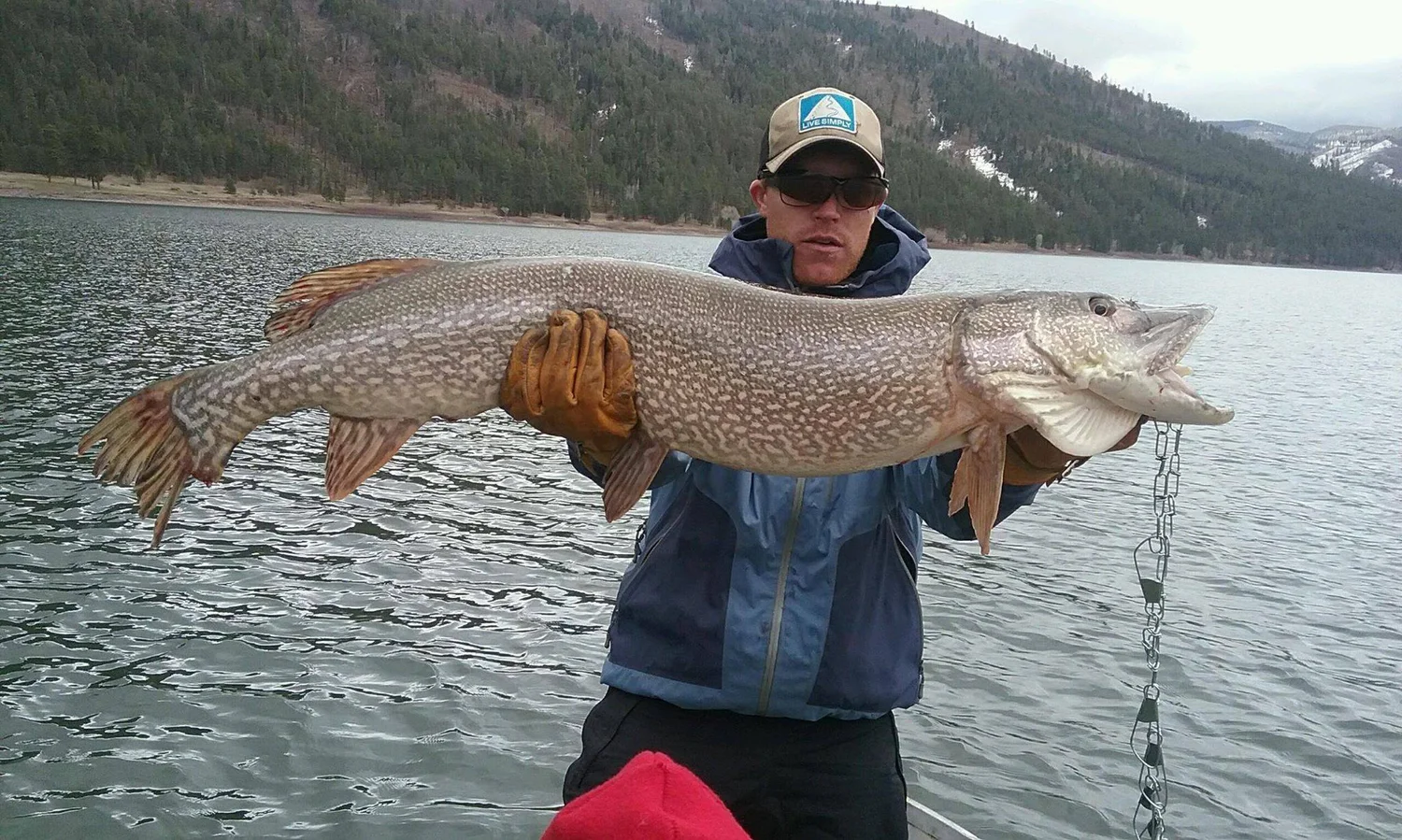
Hybrid striped bass present anglers with both a thrilling challenge and remarkable rewards. These fish can weigh anywhere from 2 to 5 pounds, with catches over 10 pounds not being uncommon. "The hybrid striped bass are hard fighting fish that are worth targeting!" noted a local fishing expert. Understanding their behavior and feeding patterns is essential to successfully catching these elusive creatures.
The spawning period for hybrid striped bass occurs from mid-March to early May, when shoreline water temperatures reach approximately 65 degrees. As spring arrives and water temperatures rise to around 58 degrees, stripers begin to feed actively. "This is a great time to start fishing for hybrid bass," said a seasoned angler. Interestingly, while hybrids are often thought to inhabit deeper waters from October to March, their preferred habitats shift significantly during the summer months.
"This is a great time to start fishing for hybrid bass,"


As temperatures climb to about 80 degrees, hybrid bass seek shallower waters. Many lakes face decreased oxygen levels at greater depths due to heat, affecting the fish's survival. "Toward the end of summer, a live minnow dropped 20 feet can perish due to lack of oxygen within a minute," shared a fisheries scientist. To combat this, successful anglers focus on fishing at depths of less than 12 feet as summer wanes.
"Toward the end of summer, a live minnow dropped 20 feet can perish due to lack of oxygen within a minute,"
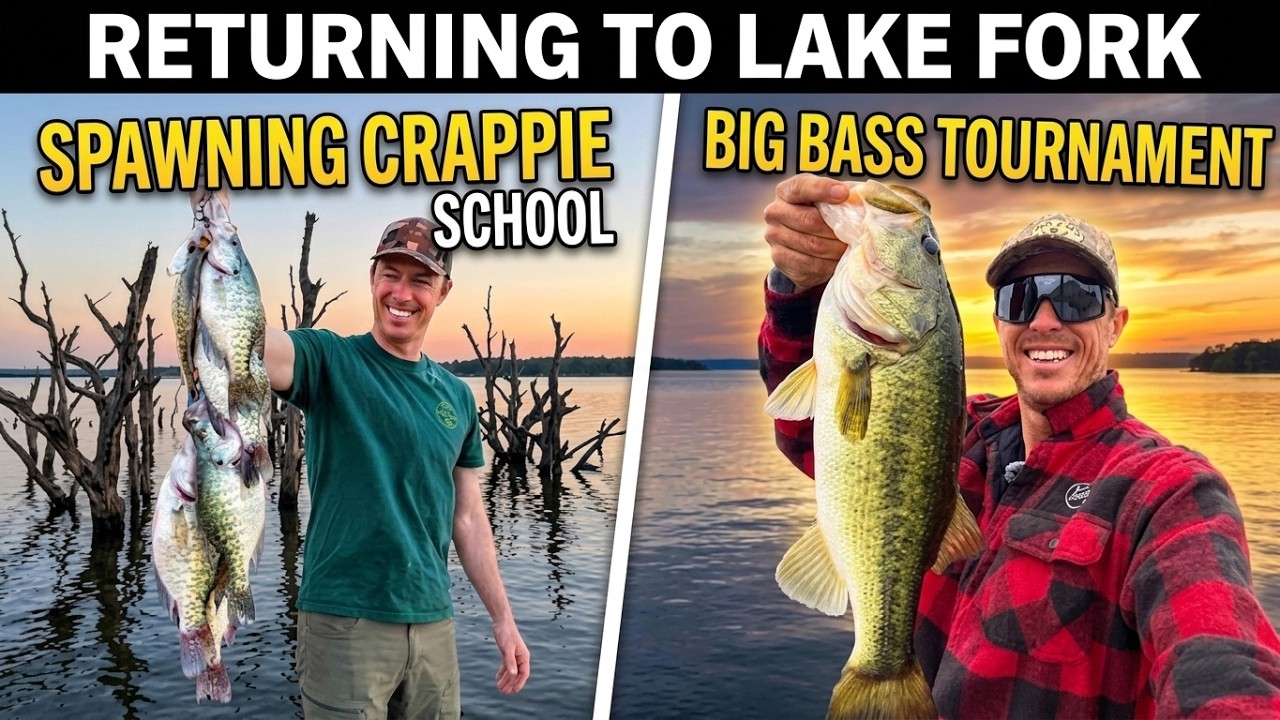
Various techniques can be leveraged to catch hybrid striped bass, and knowing when to use each is crucial. Effective methods include live lining baitfish close to the surface, casting stickbaits and soft baits, trolling, and anchoring the boat to drop live baits into deeper waters.
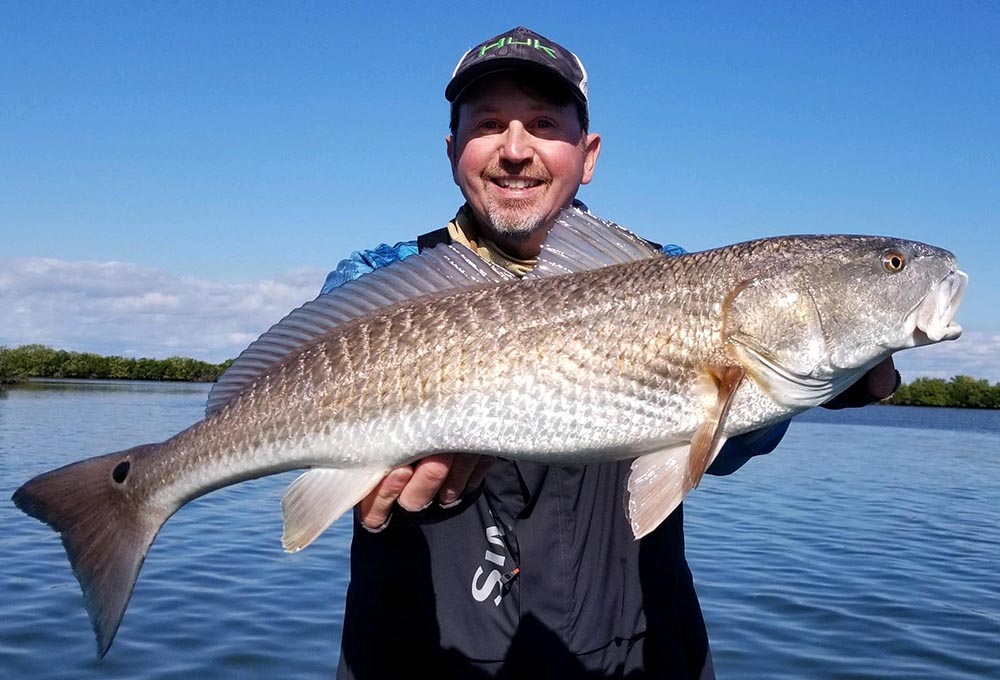
"Live bait is often the most effective method for targeting hybrid bass, especially in deeper waters," explained an avid fisherman. For those interested in live bait fishing, a freshwater [spinning reel](/gear/spinning-reel) with a [Baitcaster](/gear/baitcaster) function is recommended, along with Gamakatsu Octopus hooks in size 1/0 for average-sized baits. A standard setup includes fishing depths of 10 to 40 feet, employing a sliding ½ to ¾ ounce egg sinker weight and a leader of about 2 to 4 feet.
"Live bait is often the most effective method for targeting hybrid bass, especially in deeper waters,"
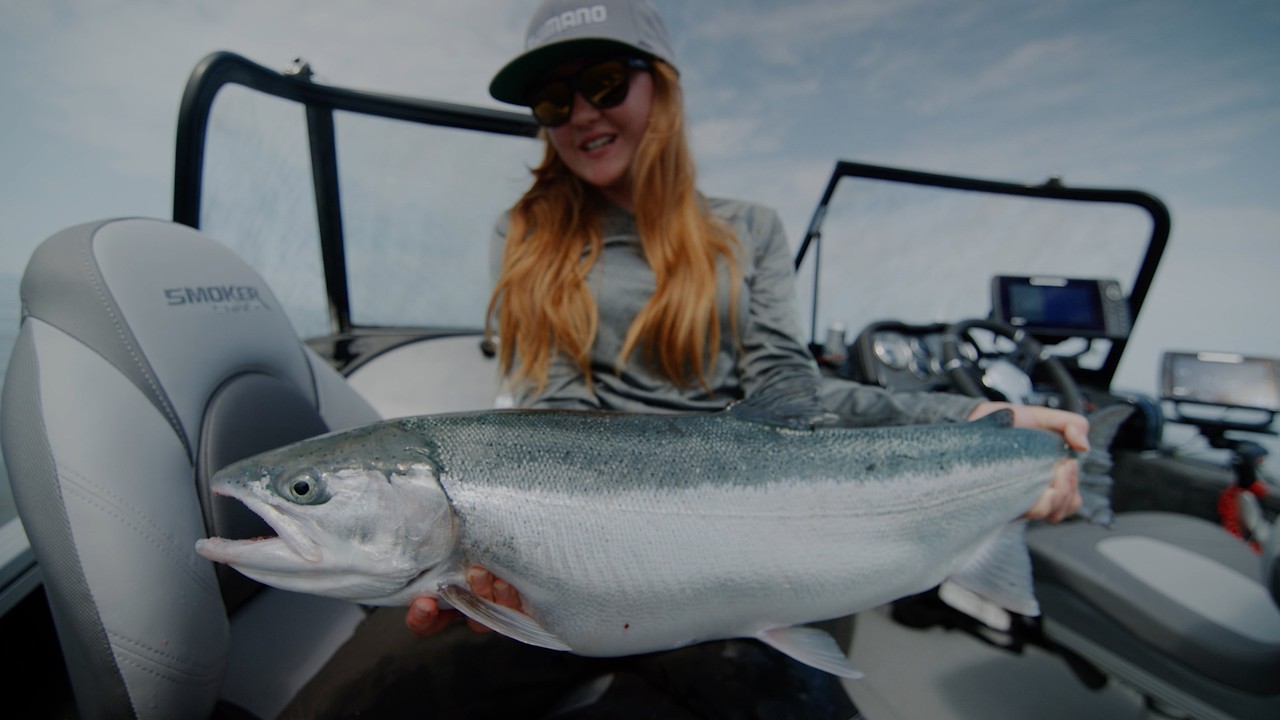
The most effective live bait options for hybrid striped bass include:
- Shiners - Creek chubs - Herring - Gizzard shad - Alewife
Night fishing offers a unique and productive way to target hybrid striped bass from mid-spring to mid-summer. "After sunny days in late spring, the baitfish become more active, making stripers more likely to feed," explained one angler. Getting on the water around 10:00 PM to catch baitfish ensures you have fresh options on hand.
"After sunny days in late spring, the baitfish become more active, making stripers more likely to feed,"
Using a cast net to collect alewife, shad, or herring can be incredibly effective. "If you don't have a cast net, buying large minnows is a solid alternative," advised a local bait shop operator. Once sufficient bait is gathered, anglers can slowly troll along the banks, staying attuned for the unmistakable popping sounds made by stripers feeding on the surface.
"If you don't have a cast net, buying large minnows is a solid alternative,"
Anchoring about 30 feet from shore in just 5 feet of water is advisable once activity is located. For those without boats, catching hybrid bass from shore remains a viable option. "Positioning a live baitfish on a small hook about two to five feet off a lighted bobber can lead to exciting bites, especially at night," noted a fishing veteran. This action usually persists until around 2:00 AM, showcasing the thrill of nighttime fishing.
"Positioning a live baitfish on a small hook about two to five feet off a lighted bobber can lead to exciting bites, especially at night,"
To enhance night fishing, glow-in-the-dark bobbers can be a game-changer. "Using a float bobber that glows allows you to see when the fish are biting, even in low-light conditions," shared a product expert. Glow sticks serve to illuminate bobbers for efficient nighttime angling.
"Using a float bobber that glows allows you to see when the fish are biting, even in low-light conditions,"
In conclusion, hybrid striped bass fishing blends skill with the thrill of targeting a challenging fish. Through an understanding of their behaviors and employing effective techniques, both novice and experienced anglers can improve their success. As the seasons shift, so too should strategies, ensuring that numerous opportunities lie ahead for those eager to reel in this exhilarating catch.