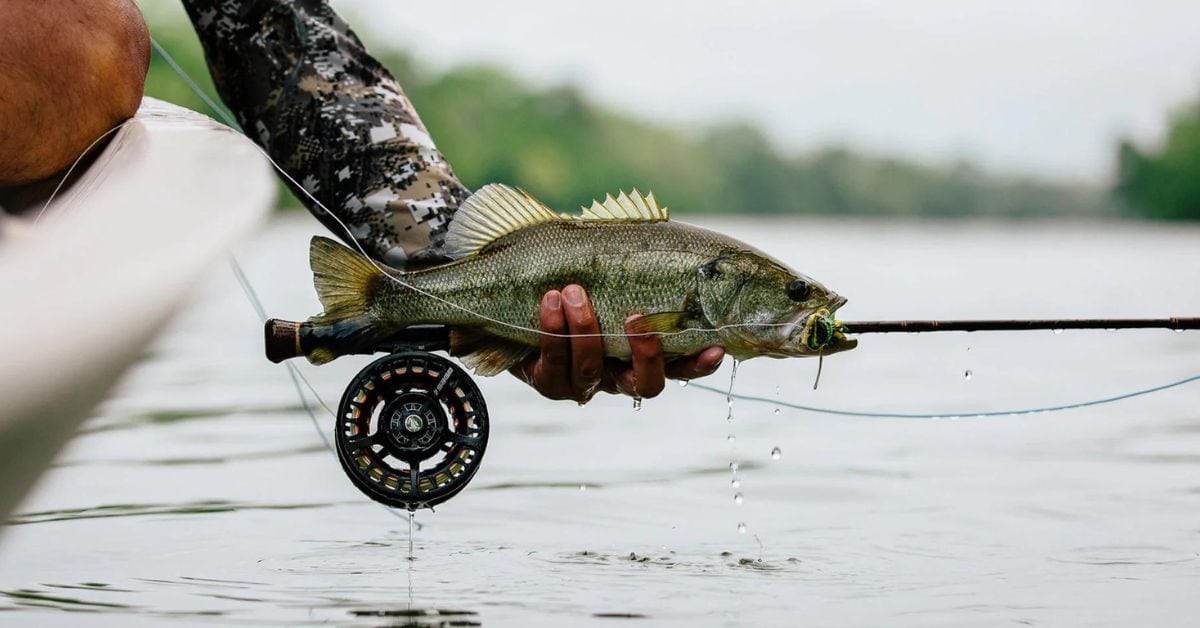
Fly fishing for largemouth bass is an exciting venture for both seasoned anglers and newcomers to the sport. Traditionally, largemouth bass has been the domain of anglers equipped with high-end bass boats and an arsenal of tackle. However, the rise of fly fishing has opened up new possibilities for targeting this feisty species. The aggressive behavior of largemouth bass, coupled with its ambush-feeding tactics, promises thrilling strikes and exhilarating battles on the water.
"Bass fishing on the fly isn’t overly complicated," said Danny Mooers, an experienced fly angler. Beginners can apply many techniques familiar from traditional bass fishing as they engage with this new method. Those who have honed their skills on other fish can easily adapt them to the dynamic world of fly fishing for bass.
"Bass fishing on the fly isn’t overly complicated,"

At the core of successful angling for largemouth bass is understanding their predatory nature. "Largemouth bass is aggressive and want to ambush their prey. If they see one of your flies moving through the water or representing their favorite food, they’ll likely eat it," Mooers noted. Anglers should embrace the challenge of matching their flies to the bass’s behavior, much like they would when fishing for trout.

Finding the right locations to fly fish also plays a vital role in success. "Most freshwater lakes and rivers around the United States have largemouth bass populations," said Mooers. This species thrives in warm waters, favoring temperatures between 60 and 85 degrees Fahrenheit. Water outside of this range can lead to a slowdown in feeding activity.
"Most freshwater lakes and rivers around the United States have largemouth bass populations,"

To locate the best spots, consult local game and fish departments or wildlife resources online. “If you know a body of water has panfish and other prey, there’s a good chance that bass is also there,” advised Mooers. Once you've identified a viable water source, focus on areas rich in structure: docks, piers, rocks, submerged logs, and aquatic vegetation. Unlike their smallmouth counterparts, largemouth bass tend to seek shelter near these structures, lying in wait to ambush unsuspecting prey.
"While they’re not overly picky fish, they can easily detect if the fly you’re using isn’t realistic and presented incorrectly,"
Race Results
In still water settings—like lakes and ponds—anglers should take charge of the fly's action. "Identify the structure where they’re holding based on the time of year and aim to cast your fly just past their position," he advised. Depending on the fly type, from surface flies to streamers, creating an enticing action can increase the chances of landing a catch. Mooers suggests varying the retrieval techniques. "Start with short, sharp jerks, and if you’re not getting results, switch to longer, smoother strips. You can also twitch the rod tip for added movement."
"Identify the structure where they’re holding based on the time of year and aim to cast your fly just past their position,"
In contrast, fly fishing in moving water requires a different approach. "Similar techniques that work for trout can be applied here," explained Mooers. Look for ideal holding spots like pools, eddies, and seams. When casting in rivers or creeks, it’s essential to place your fly a few feet upstream to allow it to settle into the desired strike zone. Here, the current provides valuable movement, reducing the need for manual twitching.
"Similar techniques that work for trout can be applied here,"
"You can swing or dead drift flies when fishing for largemouth bass in moving water," Mooers emphasized. To swing, cast at a 45-degree angle upstream and allow the fly to drift downstream, occasionally giving it a few hard strips once it reaches the target area. This technique capitalizes on the river's natural motion to entice strikes.
"You can swing or dead drift flies when fishing for largemouth bass in moving water,"
Looking Ahead
Fly fishing for largemouth bass can be deeply rewarding, offering not just the thrill of the catch but also the serene experience of being on the water. As interest in this method continues to grow, more enthusiasts are encouraged to try their hand at mastering the art of fly fishing. The joy of engaging with nature, coupled with the excitement of battling a largemouth bass, makes this approach not just a technique but a lifelong passion. The future of fly fishing for largemouth bass looks bright. With greater accessibility and an expanding community, anglers are discovering new waters, innovative flies, and unique techniques. This evolution promises to enhance the sport and create more opportunities for fishers to connect with the vibrant world of aquatic life.