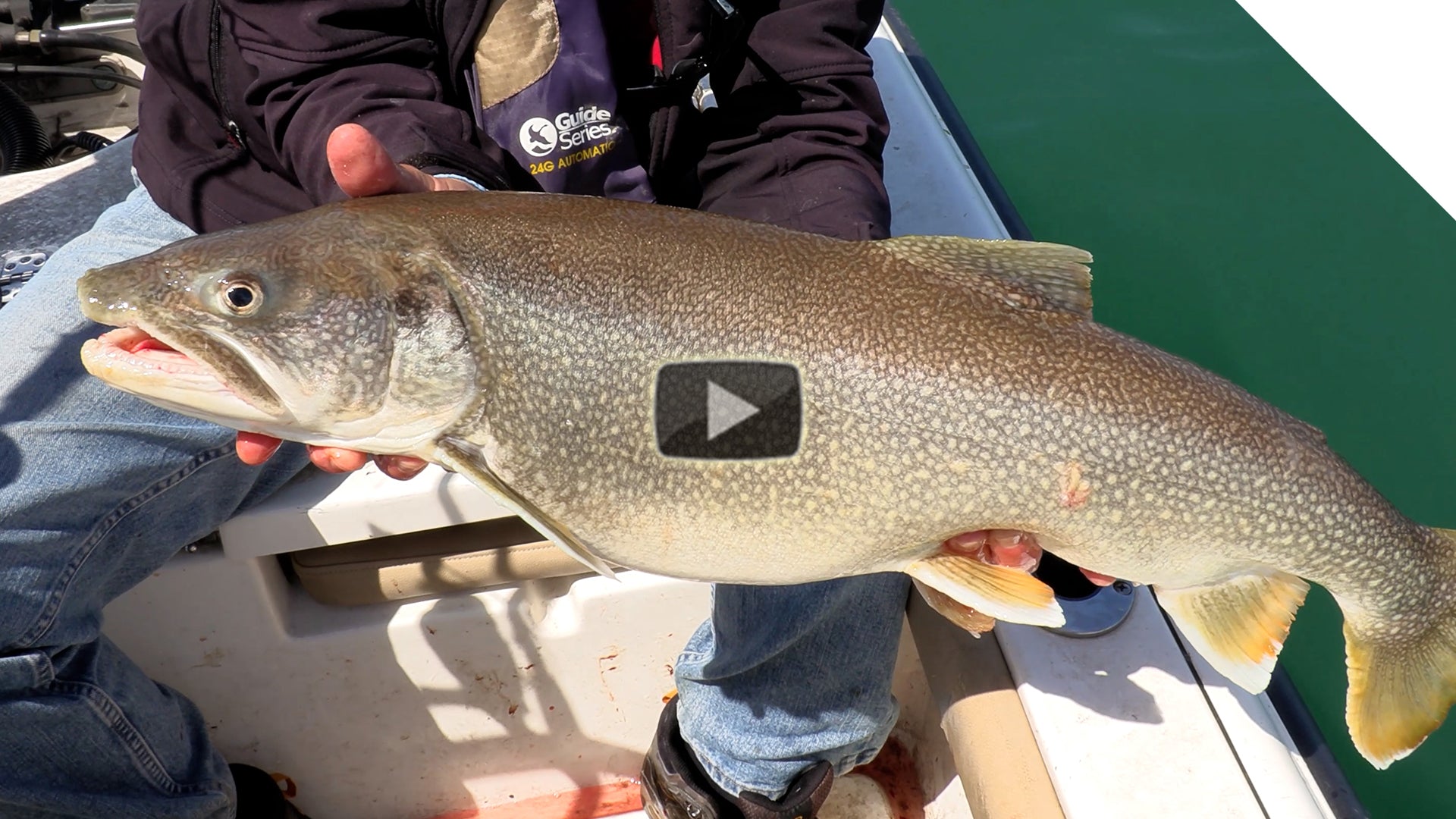
Flat line trolling is an effective method for anglers targeting lake trout and salmon, combining strategy with a bit of skill to elevate fishing prospects on the water. This age-old technique involves letting out fishing lines without any added weights, allowing the bait to swim at the natural depth where these fish tend to lurk.
"Fishing effectively requires understanding the behavior of the fish," said angler and experienced fisherman, Tom Wilson. Wilson emphasized the importance of gear selection and the timing of your fishing outings. Notably, he advises that, "Trolling in the early morning or late evening hours tends to yield the best results."
"Fishing effectively requires understanding the behavior of the fish,"

To optimize the success of flat line trolling, experts recommend understanding how temperature layers affect fish activity. "Fish tend to congregate in certain temperature ranges, especially in lakes where varying depths create a mix of warmer and cooler water," said Julie Ramirez, a fisheries biologist. She further explained that spotting these thermoclines can lead to a fruitful day.
"Fish tend to congregate in certain temperature ranges, especially in lakes where varying depths create a mix of warmer and cooler water,"

In terms of bait, many anglers swear by using live bait fish or artificial lures that mimic the movements of smaller fish. "A good choice for lake trout includes spoons and minnow imitations," noted professional angler Mike Carter. He emphasized that these lures effectively attract the larger predators lurking below.
"A good choice for lake trout includes spoons and minnow imitations,"
Another crucial point in flat line trolling is the speed of the boat. Too fast, and you risk dragging the bait out of the fish's strike zone. "A trolling speed of 1.5 to 2.5 miles per hour is generally optimal, allowing your bait to swim naturally without overwhelming the fish," added Carter.
In a demonstration of this technique, local fishing enthusiasts gathered on Lake Tahoe last Saturday, reinforcing community ties while sharing their love for the sport. Many fishermen took the opportunity to share tips and experiences on the water, exemplifying the camaraderie that fishing often fosters. During the event, Carter shared a common strategy, stating, "Always keep an eye on your lines. If one goes slack, it might mean you have a fish on, or it could be a sign to adjust your setup."
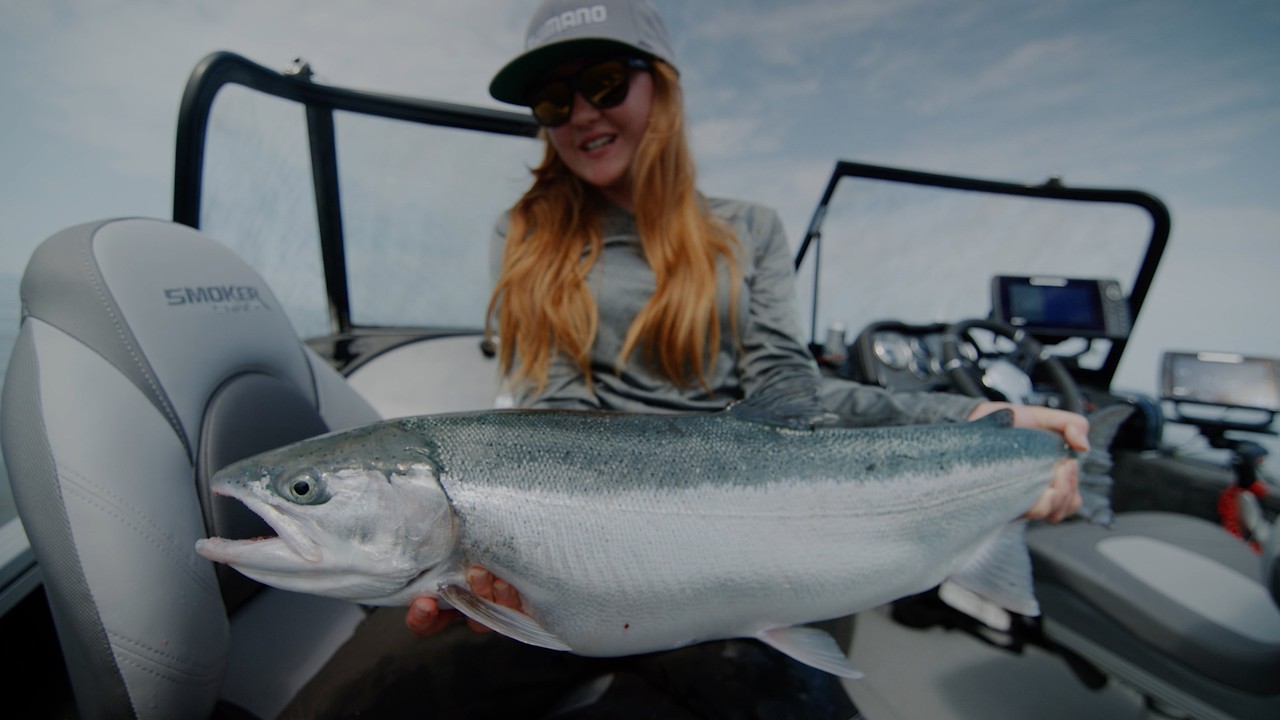
Connectivity and responsiveness are critical in flat line trolling. Adding extra caution, seasoned angler Linda Brown mentioned that, "You need to maintain awareness of your surroundings, especially when fishing in crowded areas." Her experience echoes the importance of patience and focus when you’re out on the lake.

Getting the depth right also cannot be overstated. "Using a fish finder can greatly enhance your efforts by pinpointing where fish are holding relatively easily," shared Ramirez. It’s an essential tool that, when combined with keen observation and techniques like flat line trolling, can transform an average fishing outing into an extraordinary catch.
"Using a fish finder can greatly enhance your efforts by pinpointing where fish are holding relatively easily,"
Career Journey
When dealing with salmon and trout, adapting to their behavior is fundamental. These species often prefer to feed around underwater structures and shallows early in the day, according to fisheries reports. Hence, determining where to start trolling is as crucial as the technique itself.
Ultimately, anglers should remember that no two fishing days are alike, and adapting to conditions both in terms of weather and water clarity is vital. "Each day is a new chance, and if something isn’t working, be flexible enough to change your approach," Carter mentioned.
"Each day is a new chance, and if something isn’t working, be flexible enough to change your approach,"
Flat line trolling offers an excellent method for both novice and experienced anglers alike. Each trip has its lessons. As Wilson concluded, "The joy in fishing lies not just in catching fish, but in enjoying the process and learning something new on every outing."
Race Results
For those looking to refine their skills or simply enjoy a leisurely day on the lake, flat line trolling can yield gratifying results. Armed with these tips, anglers are likely to have a more successful experience catching the elusive lake trout and salmon they seek.