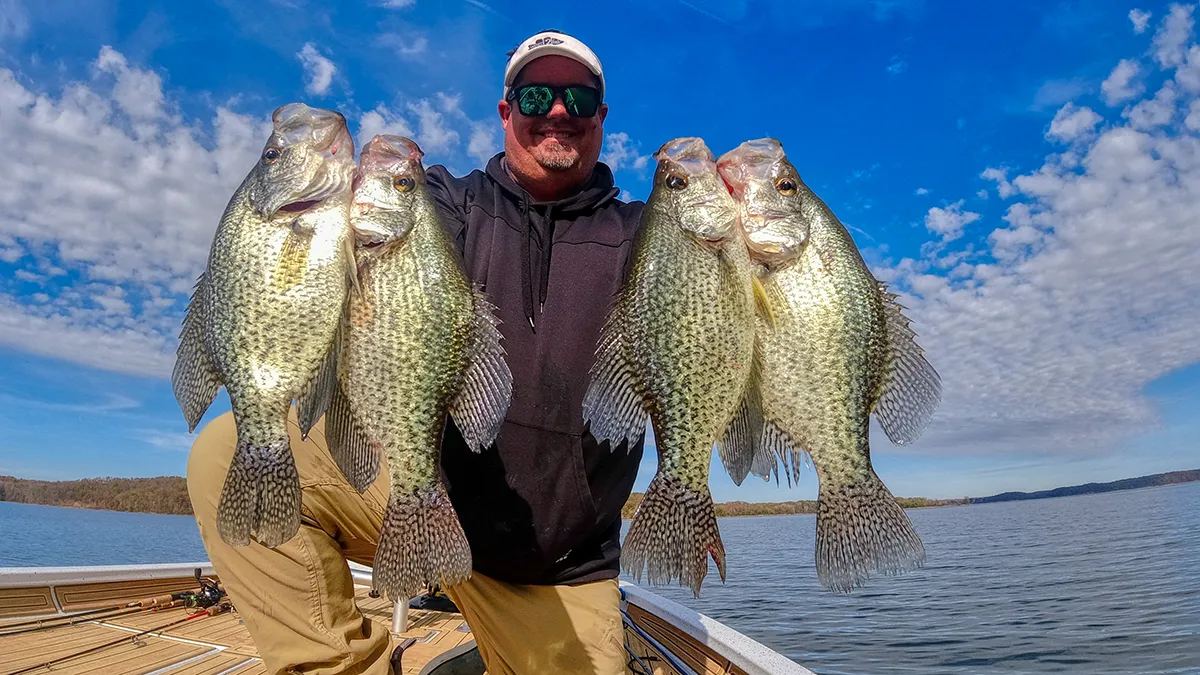
Crappie fishing remains a beloved pastime for many anglers across the United States, offering not just delicious results at the dinner table but also ample excitement on the water. With a combination of skill and understanding of the fish's behavior, anglers can enjoy consistent success while fishing for both black and white crappie.
"You can find crappie pretty regularly on most bodies of water, and once you understand their preferred habitat, behavior, and favorite baits, you will be catching them with regularity," said an experienced angler discussing the appeal of crappie fishing. With the largest crappie caught being recorded in 2018 in Tennessee, the possibility of hooking a state or even world record can drive excitement.
"You can find crappie pretty regularly on most bodies of water, and once you understand their preferred habitat, behavior, and favorite baits, you will be catching them with regularity,"

Understanding where and when to fish is essential for success. The spawning season for crappie typically begins as waters warm to the high 50s in early spring. This can vary depending on geographic location; for example, southern anglers may begin in January, while northern ones might wait until May. "Most crappie will spawn in shallow waters, looking for cover such as grass edges or submerged structures," explained a local fishing guide, emphasizing the fish's reliance on the environment.
"Most crappie will spawn in shallow waters, looking for cover such as grass edges or submerged structures,"

Anglers should prioritize scouting areas that are likely spawning grounds. Vegetation is a key player, as crappie prefer to spawn near cover. "If your lake is covered in vegetation, they will likely spawn around grass edges," said the guide, illustrating the importance of water structure. In contrast, lakes with stumps or wood cover will see crappie taking up residence around these submerged features. "One laydown tree might have 15 crappie beds on it," they added, highlighting the density of spawning sites.
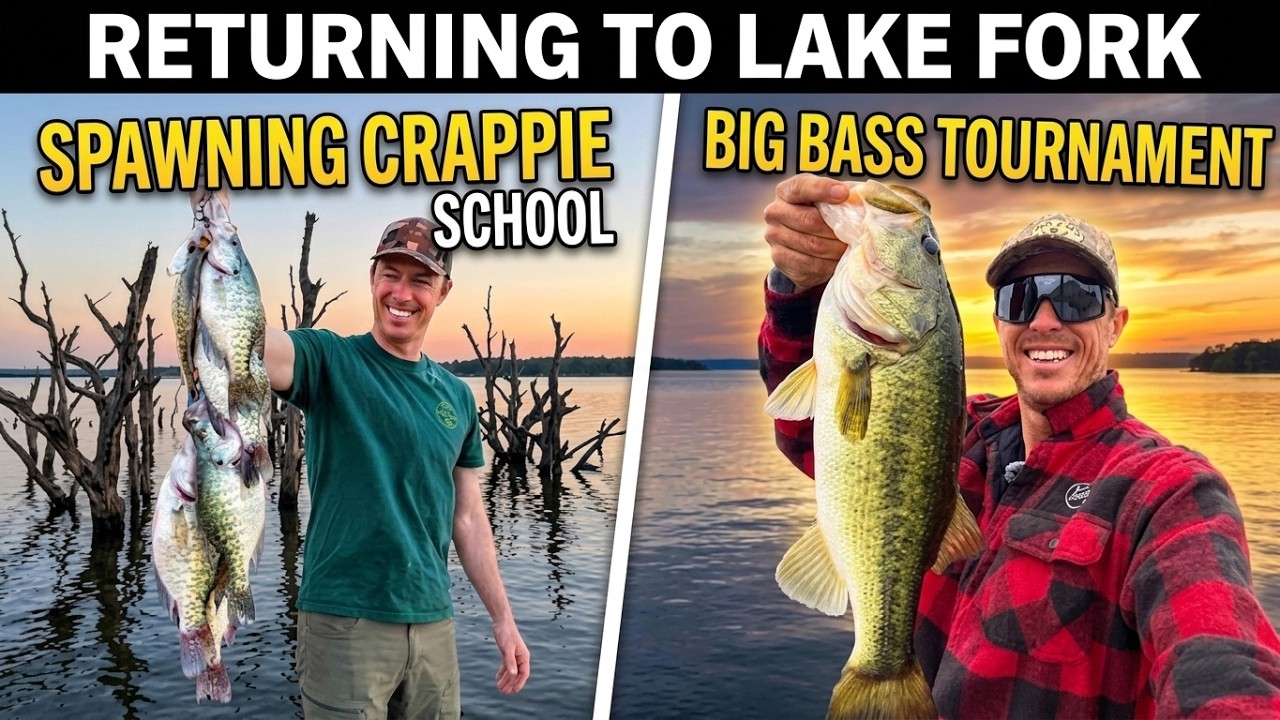
"If your lake is covered in vegetation, they will likely spawn around grass edges,"
Take, for example, Kentucky Lake, where crappie have adapted their spawning habits over time. "The white crappie spawned in shrubs in shallow water when the water had much more color, but as it has gotten clearer, they are now found off the bank on stumps in waters of 2-8 feet deep," explained a local expert. Black crappie tend to favor rockier banks, shifting slightly deeper alongside their white counterparts.
"The white crappie spawned in shrubs in shallow water when the water had much more color, but as it has gotten clearer, they are now found off the bank on stumps in waters of 2-8 feet deep,"
During this optimal zone of 2-12 feet depth, focusing on specific types of cover becomes crucial for success. "I know down south and out west, crappie really love those 'bodark' trees more than just a slick standing pine," said one angler. Personal experiences often shape fishing strategies; for instance, the proliferation of stake beds versus cedar trees at Kentucky Lake emphasizes the nuances of crappie preferences.
"I know down south and out west, crappie really love those 'bodark' trees more than just a slick standing pine,"
Looking Ahead
After the spawning period, both parent crappie commonly share the responsibility of guarding their nests and fry. This makes them vulnerable to fishing attempts, but strategic anglers often choose to release the bigger specimens to maintain future populations. "I like to let the big ones go this time of year to protect spawn recruitment for the future," one advocate for sustainable fishing reiterated.
"I like to let the big ones go this time of year to protect spawn recruitment for the future,"
In terms of technology used in catching crappie, items like the Garmin Livescope can provide anglers a competitive edge. This advanced sonar technology can reveal live images of fish and their surroundings, effectively guiding fishing decisions. As one tech-savvy angler noted, "The best tools allow you to see what’s happening beneath the surface, which makes it easier to target crappie effectively."
Crappie fishing invites both seasoned veterans and newcomers alike to experience a dynamic sport that thrives on understanding environmental cues and fish behavior. Proper techniques, suitable gear, and an awareness of local wildlife contribute significantly to success. As the water warms and seasons change, anglers are reminded that every outing offers new opportunities to connect with nature and possibly hook into that prized crappie.
As the fishing community continues to evolve, embracing technology while practicing sustainable fishing can ensure that crappie populations remain healthy for generations to come. Passion for this sport promises continued excitement every time the line casts into the water.