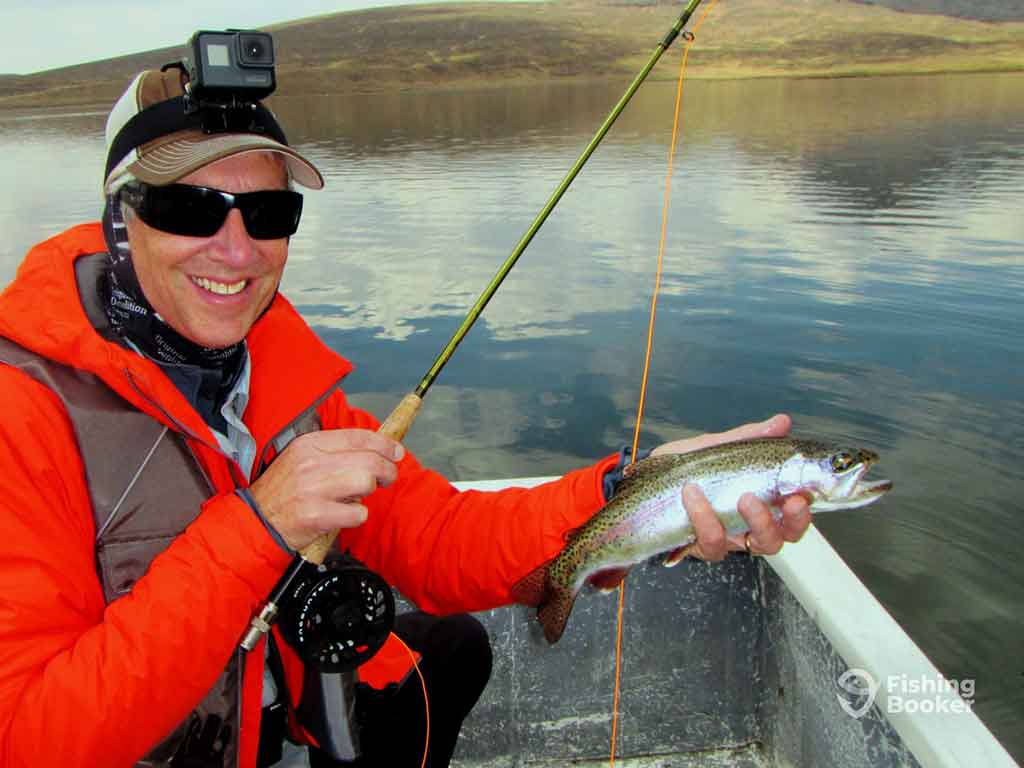
Trout fishing in lakes holds the promise of a gratifying outing, especially when equipped with the right tools. One of the standout choices for many anglers is the crankbait fishing lure. Designed to mimic the movement of small fish, these lures effectively attract predatory species like trout. Yet, success on the water hinges not just on having the right lure, but also on understanding how to set it up, select the best variant, and employ effective techniques.
This comprehensive guide delves into the essentials of crankbait fishing for trout in lakes, covering the most effective lures, necessary gear, and techniques to maximize your fishing experience. Whether you're a novice or a seasoned angler, you're sure to find valuable insights that can enhance your trout fishing exploits.
At its core, a crankbait is a type of fishing lure characterized by its hard body, often featuring a lip that helps it dive and mimic the erratic movements of baitfish. 'Crankbaits have a unique wobbling action that resembles a distressed or injured fish, making them an effective tool for attracting a variety of species including trout,' explained avid angler John Fischer.


The versatility of crankbaits extends across different designs, sizes, and diving depths, allowing for their use in both freshwater and saltwater settings. Given their effectiveness, many anglers prefer crankbaits when targeting trout in lakes due to their natural presentation and ease of use.
Trout, especially species such as rainbow trout, brown trout, and lake trout, are known for being highly predatory and actively pursuing smaller fish for sustenance. Crankbaits excel in mimicking the movements of these baitfish, making them an ideal lure in lake environments. 'These lures do an exceptional job of mimicking the natural prey that trout are hunting,' said Sarah Johnson, a fishing guide with over a decade of experience.
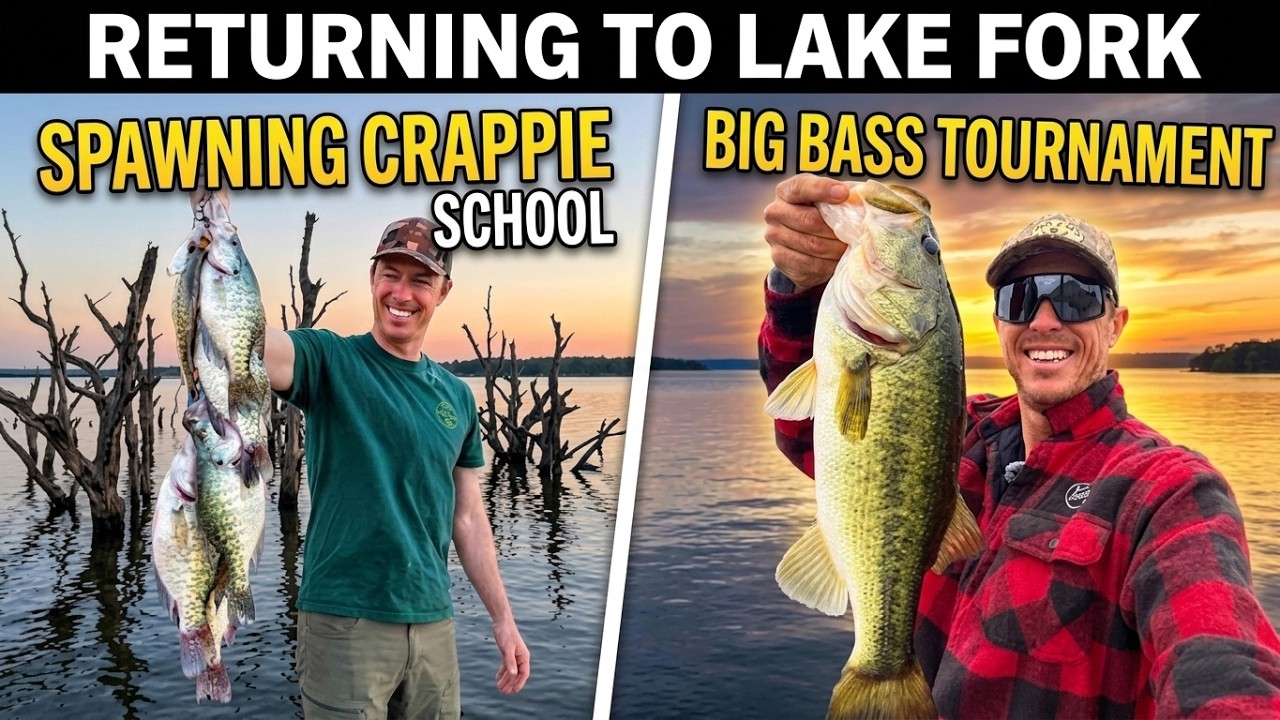
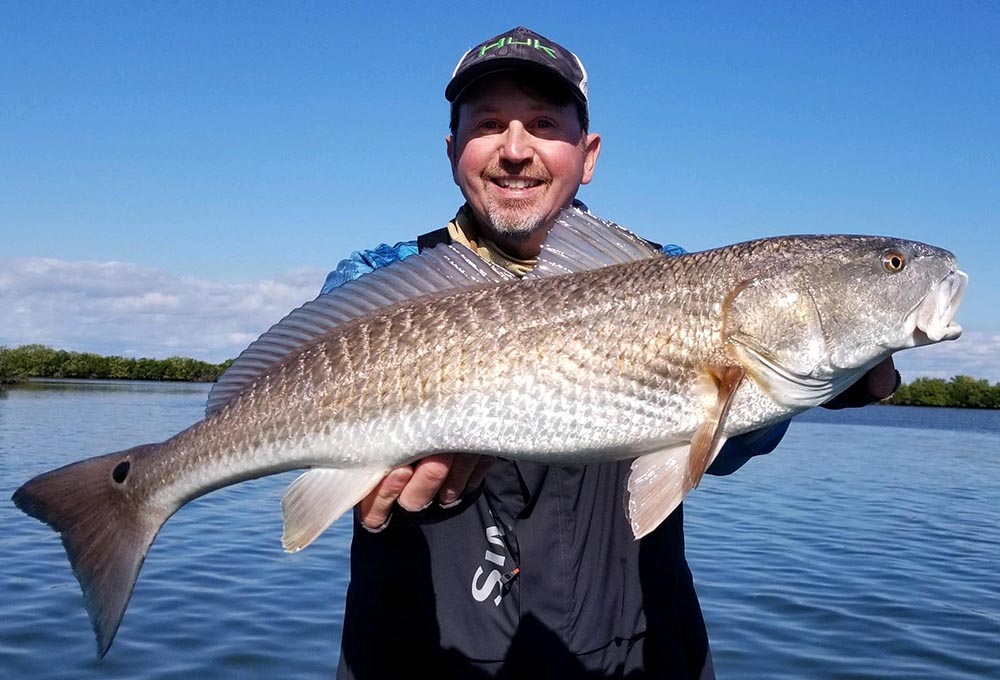
The attraction of crankbaits can be attributed to several key factors. First, they successfully replicate the erratic behavior of injured or escaping baitfish, triggering natural predatory instincts in trout. 'The lifelike wobble and flash of a crankbait can draw fish from considerable distances,' Johnson added.
Additionally, crankbaits are adaptable to various depths, providing specific options whether fishing close to the surface or deeper waters. 'You can easily switch between shallow-diving and deep-diving crankbaits depending on where the fish are located,' said veteran angler Michael Richards. 'This flexibility is what sets crankbaits apart from other lure types.'
Ease of use adds to the appeal of crankbaits; they are user-friendly, allowing even beginners to cast and retrieve effectively. Simply cast the lure and retrieve it at a steady pace to create the desired action. According to Richards, 'It takes minimal skill to be successful with crankbaits, which is a big plus for new anglers.'
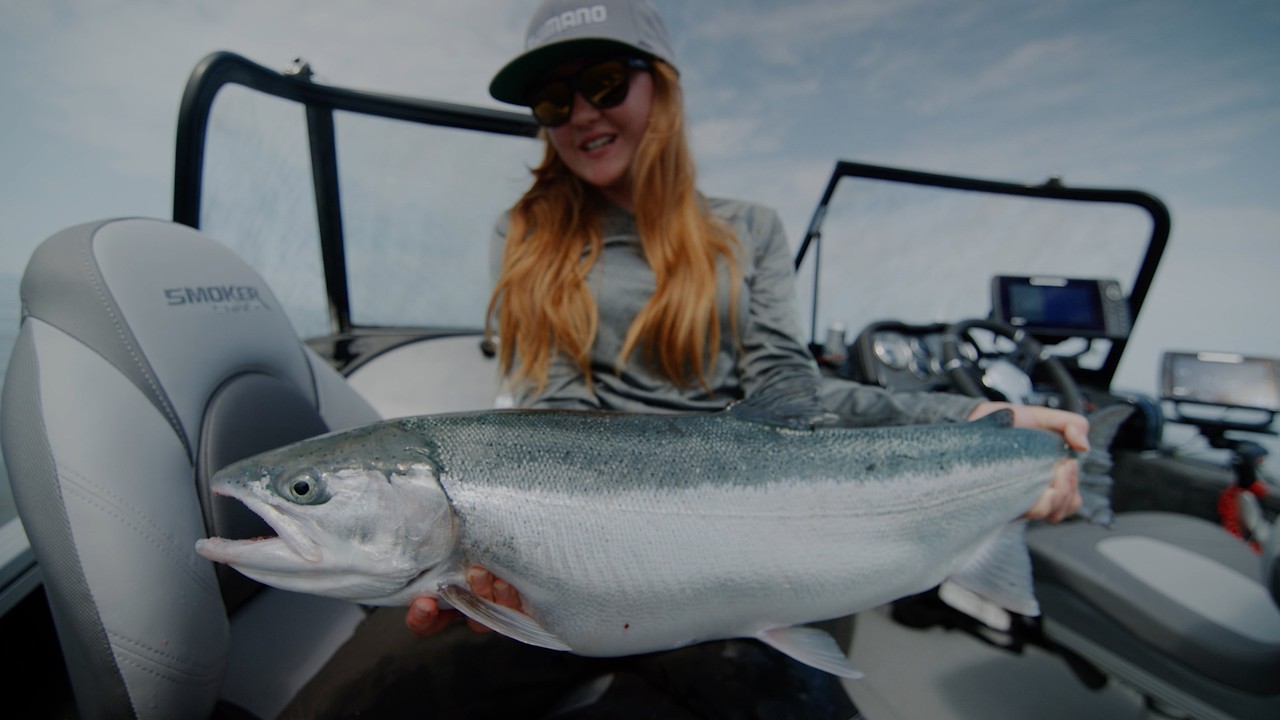
Furthermore, crankbaits accommodate various trout behaviors—whether they're actively feeding or lethargically suspended in deeper waters. Adjusting the retrieve speed or the lure depth can help target fish no matter their activity level.
There are several types of crankbaits suitable for trout fishing in lakes, each chosen for specific conditions. Shallow-diving crankbaits, typically capable of reaching depths ranging from 2 to 5 feet, are ideal for targeting trout closer to the surface or near underwater structures. 'These lures shine in shallow waters—especially around submerged rocks or weed beds,' Fischer commented.
Conversely, deep-diving crankbaits, designed to dive deeper—between 8 to 15 feet—are particularly effective during warmer months when trout often seek cooler, deeper waters. 'If you know the trout are holding at lower depths, deep-diving crankbaits are your best bet,' Richards noted.
Another option, lipless crankbaits, provide versatility in terms of depth due to their flat design and lack of a diving lip. They create vibrations that can be enticing to both trout and other species. 'These lures are great for generating sound and movement, making them effective across various fishing conditions,' Johnson remarked.
Career Journey
Career Journey
Career Journey
Arming yourself with the right crankbaits and understanding how to properly fish them will undeniably enhance your trout fishing in lakes. As the seasons change, so do the habits of trout, requiring anglers to adapt their tactics and equipment. With the tips and techniques outlined here, you're well-prepared to take on the waters, optimize your catch, and enjoy a successful fishing trip. The adventure of trout fishing is as much about the journey as it is about the destination, and with the right approach, you can make each outing memorable.