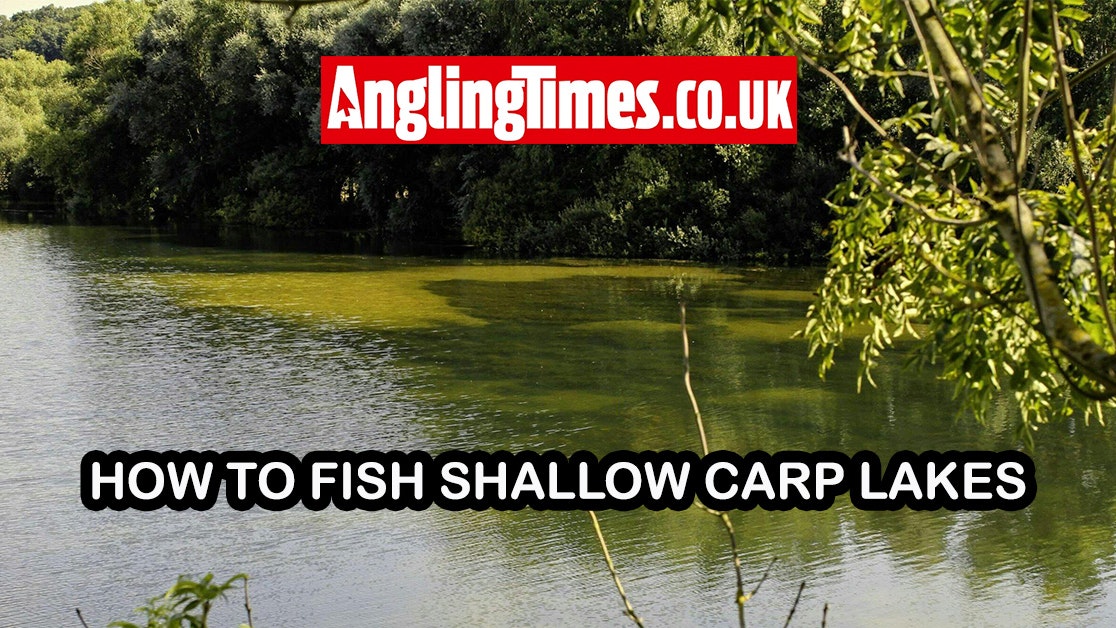
Fishing in shallow lakes provides anglers a unique opportunity to closely observe carp behavior. According to fishing enthusiast James Furness, these venues favor a mobile angling style that encourages anglers to adapt based on what they see. "One of my favourite lakes is around five-acres with an average depth of 2-4ft," said Furness, sharing insights on how to successfully tackle these waters.
"One of my favourite lakes is around five-acres with an average depth of 2-4ft,"
Navigating these shallow environments can be challenging. "When fishing lakes that have a depth of under 4ft, feeling for a drop can be difficult, as the lead hits the bottom almost instantly," Furness explained. Knowing the lake's characteristics before your fishing trip is crucial. By probing the lakebed on an initial visit, you can determine if it's silty, firm, clear, or weedy. This prior knowledge allows anglers to capitalize on signs of carp without unnecessary disturbances during the actual fishing session.

"When fishing lakes that have a depth of under 4ft, feeling for a drop can be difficult, as the lead hits the bottom almost instantly,"
Despite the challenges, Furness insists that carp can indeed be caught in very shallow spots. "Don’t be put off by how shallow a spot is either, I have caught big carp in 2ft of water; it is their home, and they are used to it." To minimize disturbances, he also suggests using quality carp rods that allow for precise casting aimed at reducing any potential spook of the fish.

Location is a critical element when targeting shallow lakes. Furness emphasizes that finding the fish is paramount: "Time spent walking and looking is time well spent." In addition to observing jumps and fizzing on the surface, anglers should look for other signs of carp activity. Fishing on clay or silt bottoms can reveal clouding caused by feeding carp, indicating their presence in the area. "In this scenario, plooms of sediment fill the water with colour; this is a sure sign that there are fish nearby," he noted.
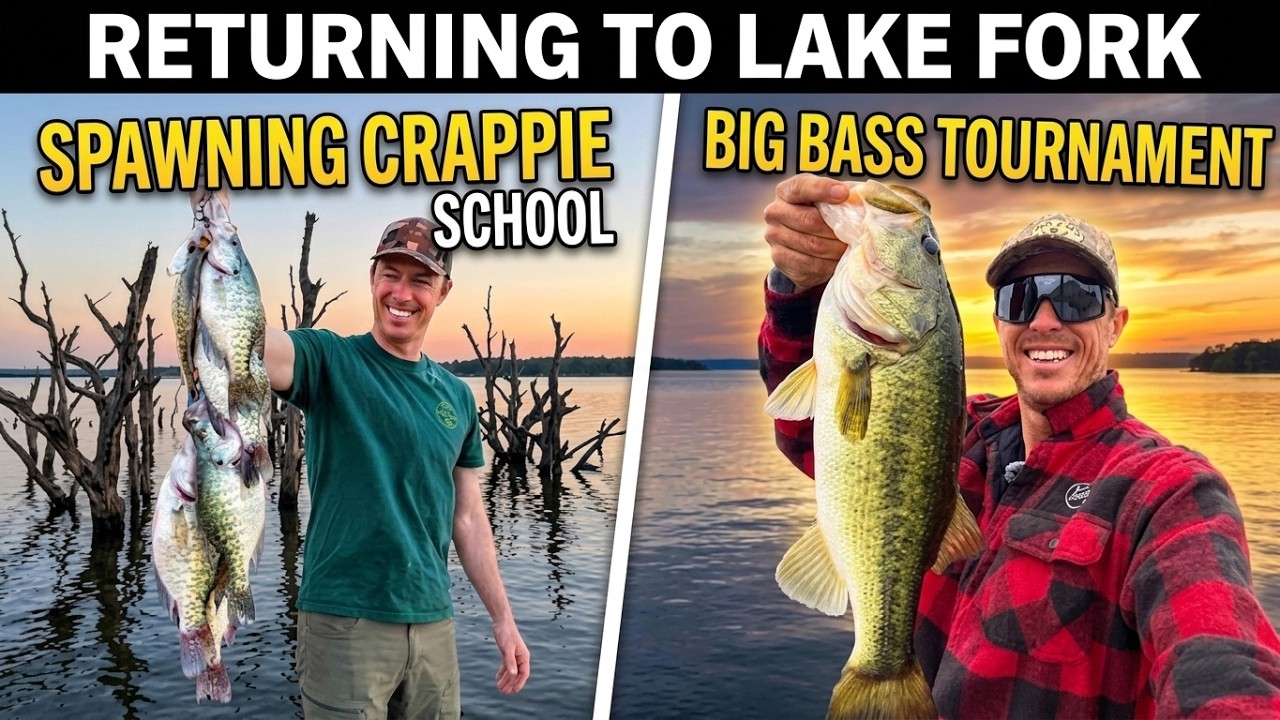
"In this scenario, plooms of sediment fill the water with colour; this is a sure sign that there are fish nearby,"
Championship Implications
Furness also points out that the visual aspects of shallow fishing often present opportunities that deeper lakes do not provide. Tail patterns and surface disturbances are commonly observed as fish forage. Observation extends beyond the water to the skies above, as well. "Low flying birds will spook the carp as they pass over them in the shallow water, giving up their whereabouts," he added.
"Low flying birds will spook the carp as they pass over them in the shallow water, giving up their whereabouts,"
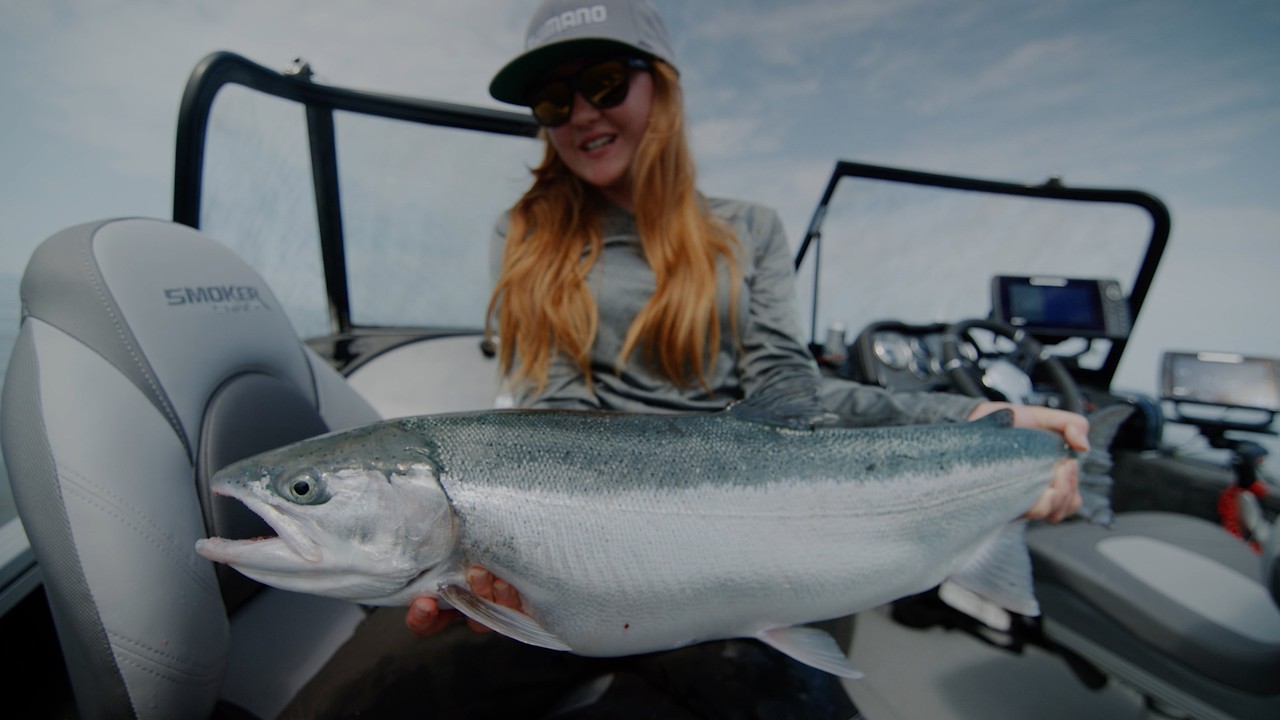
Baiting strategies must also be tailored for success in shallow waters. The proximity of the carp to the bait necessitates a discreet approach. Furness reveals, "On my shallow syndicate, using ‘match the hatch’ bottom baits and wafters has accounted for the majority of bites." A pivotal change for him was transitioning from bright pop-ups to duller baits fished directly on the lakebed, highlighting the effectiveness of bait that closely resembles the natural food sources of carp.
When it comes to loose feeding, subtlety reigns supreme. "Don’t go too heavy with the loosefeed either; disturbance should be minimal when fishing shallow water," he advised. Instead, he prefers the use of small PVA mesh bags filled with boilie crumb to gently introduce bait while keeping disturbances to a minimum.
"Don’t go too heavy with the loosefeed either; disturbance should be minimal when fishing shallow water,"
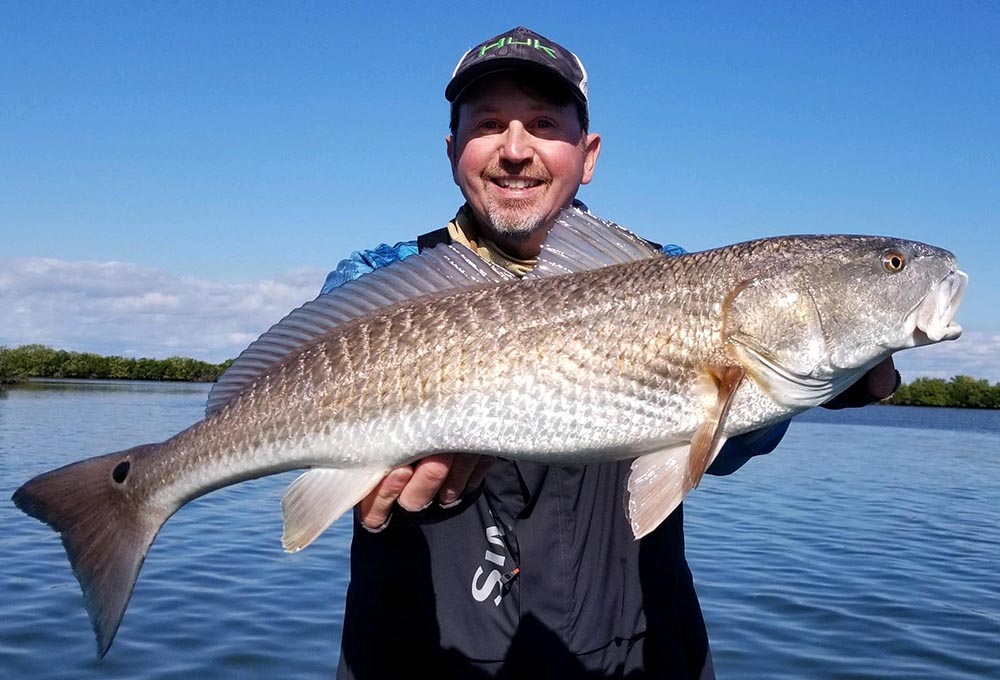
Understanding how to adapt to the specific conditions of shallow lakes can significantly enhance your fishing experience. With careful preparation, keen observation, and strategic baiting, anglers can greatly improve their chances of landing carp. Ultimately, using these techniques not only promotes successful fishing but also fosters a deeper appreciation for the rich ecosystems these shallow lakes harbor.