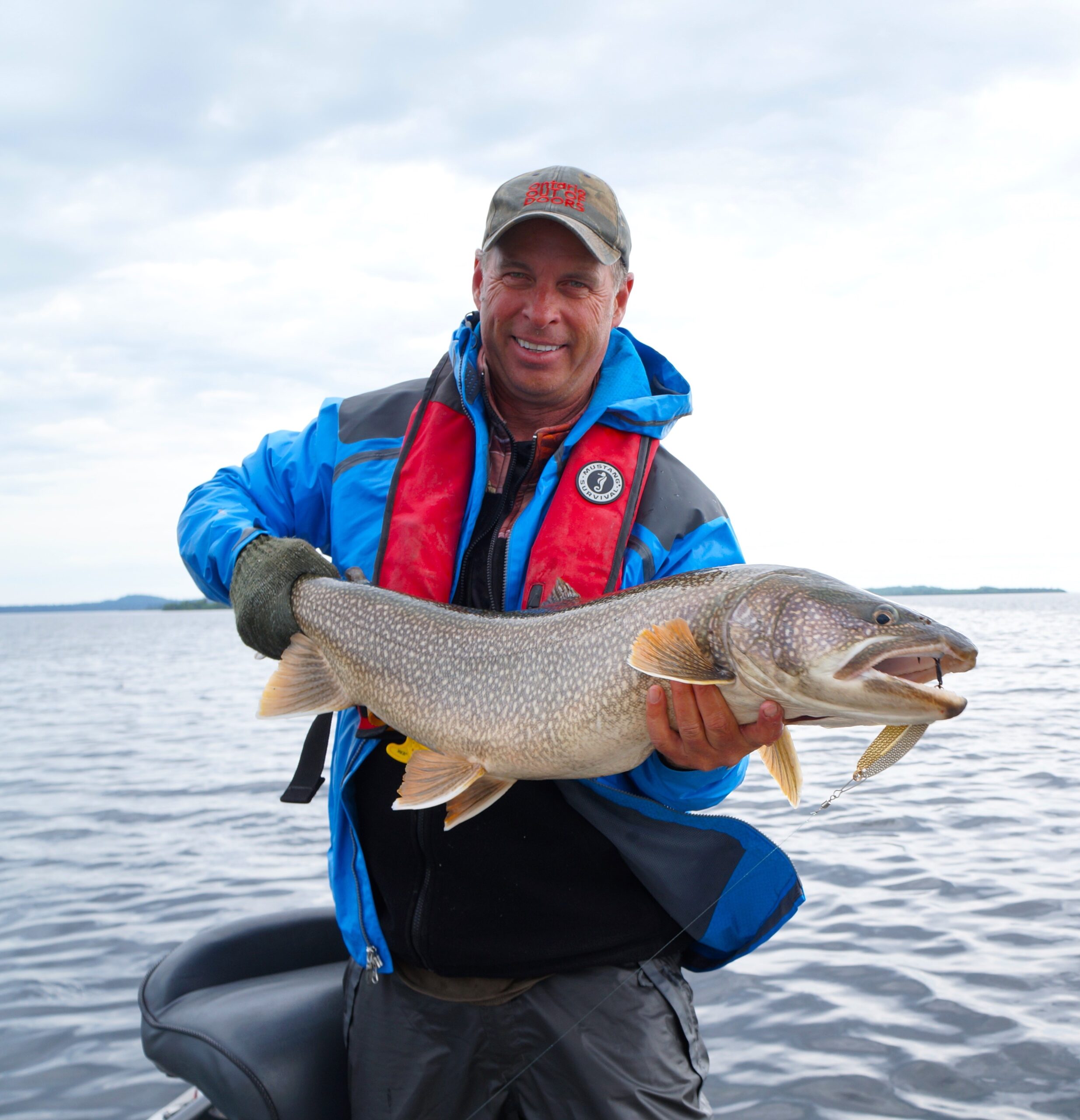
Lake trout fishing often presents new challenges for anglers visiting Northern Ontario for the first time. Recognized as a native species to the region, lake trout are among the larger sport fish available, capturing the interest of many fishing enthusiasts. While some anglers utilize sophisticated downriggers to land these fish, there's a case to be made for traditional techniques that allow for a more tactile fishing experience. "In my estimation, the best way to appreciate the feeling of a large lake trout putting the brakes on a bait is to go old school," said a seasoned angler. This implies that one can find genuine satisfaction with more rudimentary tools such as weights, large lures, and robust rods.
"In my estimation, the best way to appreciate the feeling of a large lake trout putting the brakes on a bait is to go old school,"
A viable method for effectively catching lake trout involves employing the three-way rig. This rigging setup is specifically designed for trolling while enabling direct contact with the lake bottom. "The three-way rig is the way to go," the angler noted. The setup includes a three-way swivel, a dropper line attached to a weight, and a leader line ending with a lure. The dropper line is usually about three feet long, and the weight varies between three to eight ounces. Personal preferences aside, the right weight can make a substantial difference in vertical presentation, enhancing the potential for a strike.

"Most large lead weights are long and skinny, although round weights are my preference," shared the angler. Ensuring that the sinker is manageable while landing a fish is important, so maintaining equal lengths for the leader and dropper simplifies the process. With the right 20-pound test monofilament as the main line, and a sturdy baitcasting rod, anglers can tackle lake trout in confidence.
"Most large lead weights are long and skinny, although round weights are my preference,"

Race Results
For successful three-way rigging, choosing the right lures is also crucial. "Lures used should be large, light and flashy," emphasized a local fishing expert. Fun options include the classic Williams Wabler in various finishes, and other similar style spoons. Trolling with a three-way rig works best at a speed of under two miles per hour, allowing for optimal movement that big lake trout find hard to resist. The technique of letting the weight touch the bottom and executing a lift/drop motion can significantly enhance strike chances.
"Lures used should be large, light and flashy,"
Another effective technique discussed is banana weight trolling, particularly for anglers seeking a streamlined approach. The banana weight shape allows it to troll effectively with many types of lures. "Most of the banana weights used will be between two and six ounces," explained the expert. This method often employs line counter reels, providing precision in tracking how deep your sinker is in the water. By establishing where your gear runs at a specific length of line, you can easily replicate that successful depth.
"Most of the banana weights used will be between two and six ounces,"
Race Results
"Run a three-foot leader of 15-pound rest monofilament off the banana weight and attach a metal clasp. Super simple but deadly," noted the angler’s insight into this technique. This simplicity often yields favorable results, emphasizing the effectiveness of straightforward methods in landing lake trout.
Career Journey
For those who prefer not to deal with heavy weights, lead core line emerges as a noteworthy alternative. This specially designed line features a lead core wrapped in colored material, allowing for depth calculations based on the colors. "Every 30 feet of line the color changes, which equals a depth of five feet down," described a veteran angler. This format provides for meticulous trolling capabilities, especially effective in late spring and early fall as lake trout adjust their positions between deeper waters and shallows.
"Every 30 feet of line the color changes, which equals a depth of five feet down,"
Utilizing a four-foot leader of monofilament paired with lead core line typically weighing between 18 to 20 pounds can help anglers navigate various fishing scenarios. The advised use of softer rods due to the minimal stretch of lead core line enhances the fishing experience.
Old school lake trout fishing certainly leans into a more hands-on approach, requiring patience and experimentation. However, utilizing these time-tested methods can significantly elevate the fishing experience while forging deeper connections with the vibrant wilderness of Northern Ontario.