
Lake Tawakoni stands as one of East Texas's most productive fishing destinations, drawing anglers from across the Dallas-Fort Worth metroplex and beyond to its 37,000-acre expanse.
The reservoir has earned its reputation through consistent production of multiple species, supported by an abundant forage base of threadfin and gizzard shad. This natural food chain creates ideal conditions for both predator fish and the anglers who pursue them.
"Lake Tawakoni offers consistent action for both experienced anglers and families booking guided trips," said Taylor Bingham, owner of Bingham Guide Service.

"Lake Tawakoni offers consistent action for both experienced anglers and families booking guided trips,"

Striped bass represent the lake's premier attraction, with fish regularly reaching the 8- to 12-pound range and larger specimens always possible. These powerful fighters travel in schools following baitfish concentrations, creating opportunities for explosive action when conditions align.
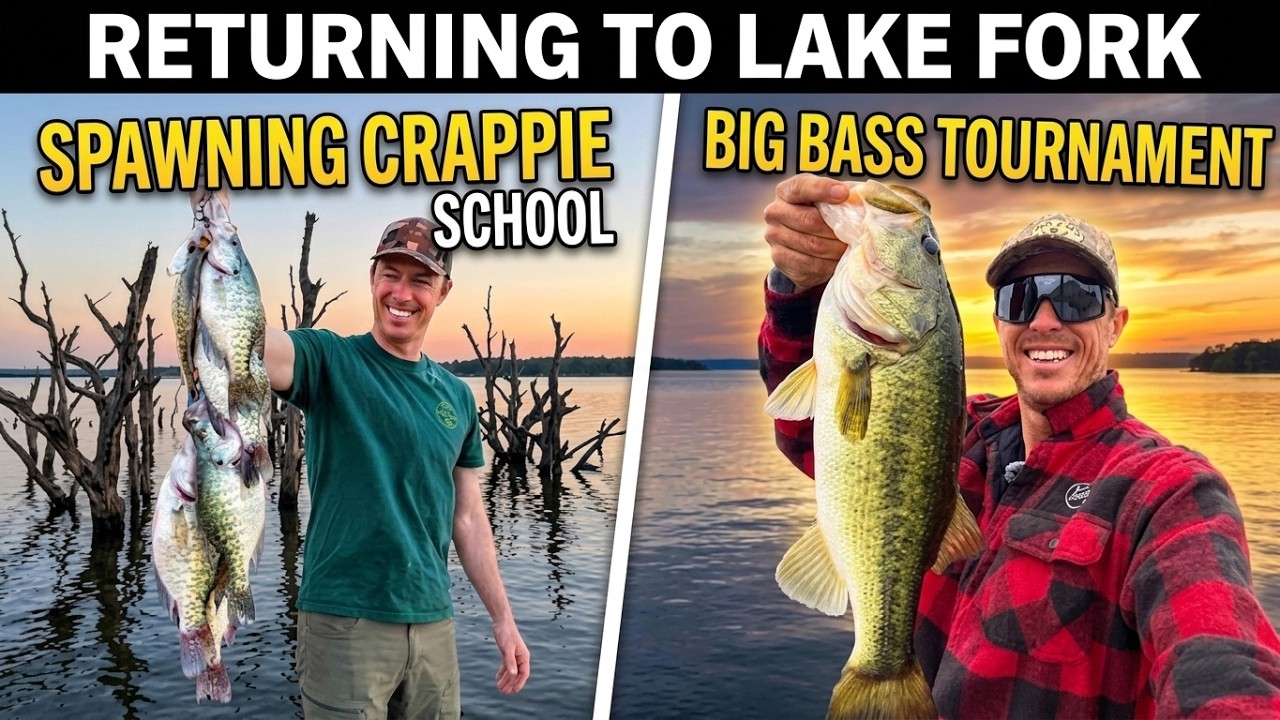
Hybrid stripers, a cross between striped bass and white bass, add another dimension to the fishing experience. These aggressive feeders respond enthusiastically to artificial lures and often school tightly around baitfish, providing steady action during guided excursions.
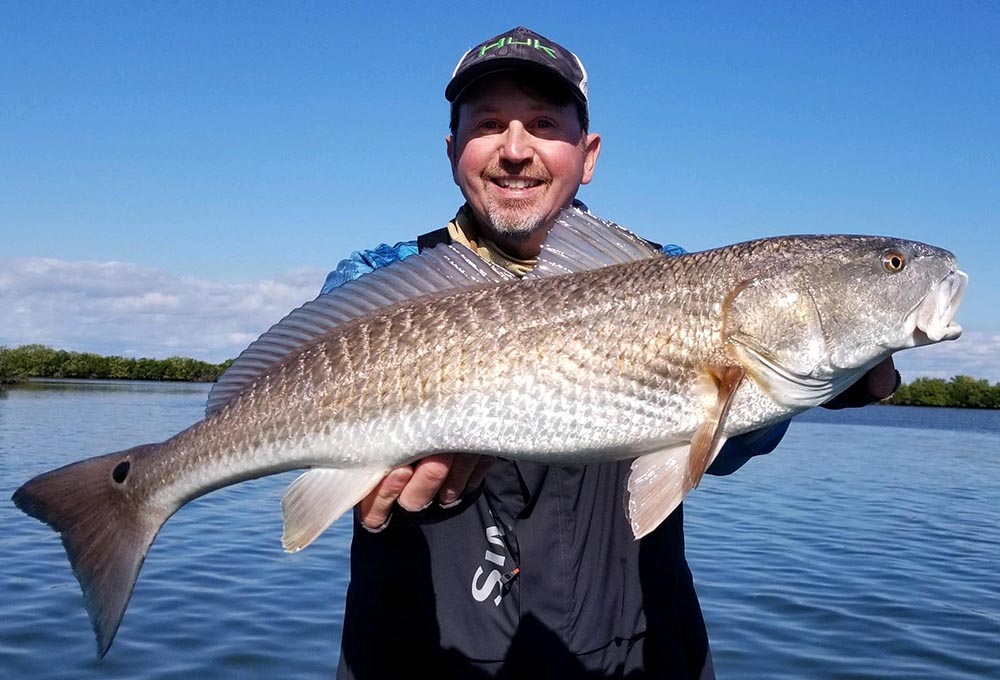
Career Journey
White bass, locally known as sandbass, offer perhaps the most exciting schooling behavior on the lake. When large schools begin feeding, anglers can experience near-constant action that makes the species particularly appealing for beginners and families seeking fast-paced fishing.
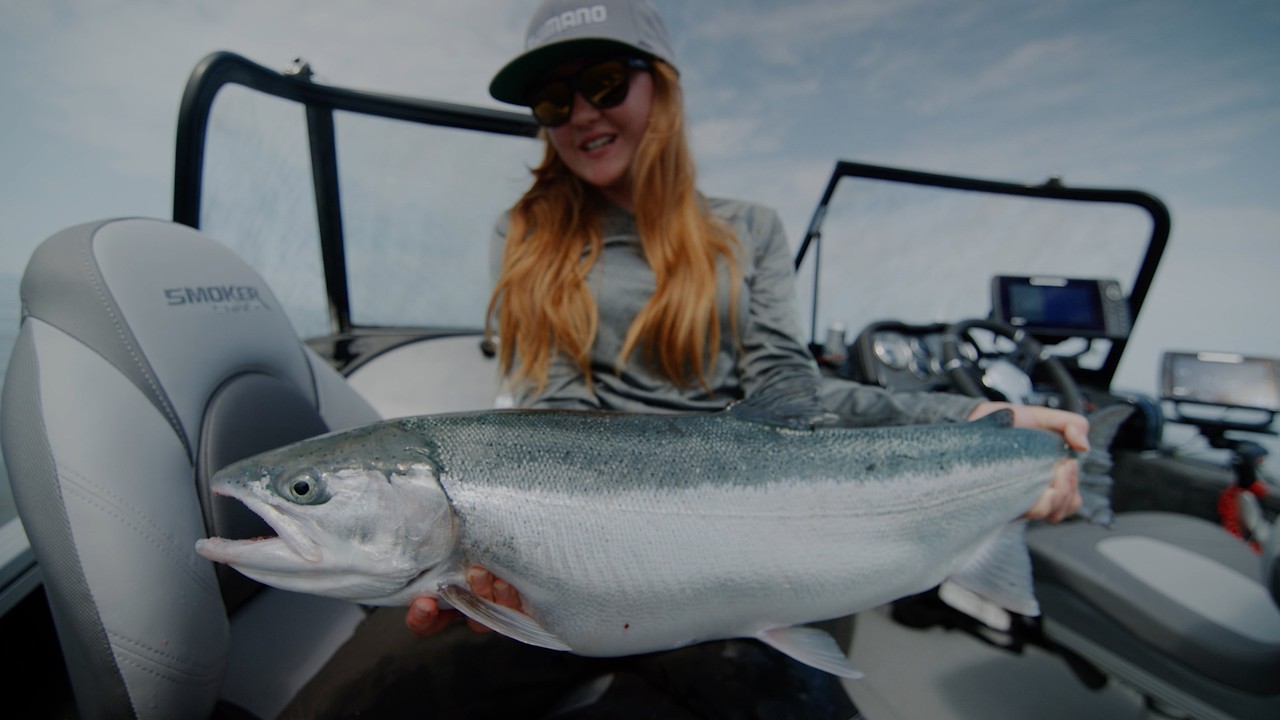
Lake Tawakoni's catfish populations have also gained recognition among trophy seekers. Both blue catfish and channel catfish grow to impressive sizes thanks to the reservoir's rich forage base, making it a destination for anglers pursuing both sport and table fare.
Successful techniques vary with seasonal patterns and baitfish movement. Live shad remains extremely effective for targeting striped bass and hybrids, allowing anglers to present natural forage in active feeding zones.
Artificial lures prove equally productive, with swimbaits serving as a favorite among many anglers due to their close imitation of the lake's baitfish. Paddle-tail varieties like Sassy Shad work particularly well when retrieved through schools of feeding fish.
Slab spoons provide another effective option, especially for vertical jigging when fish hold deeper in the water column. These heavy metal lures sink quickly and can trigger strikes from suspended fish.
Professional guide services on the lake typically provide all necessary equipment, including rods, reels, and tackle, eliminating the need for visiting anglers to transport specialized gear.
The combination of diverse species, proven techniques, and strong forage base continues to establish Lake Tawakoni as a premier East Texas fishing destination. Anglers can expect year-round opportunities, with seasonal patterns dictating the most productive approaches for each target species.