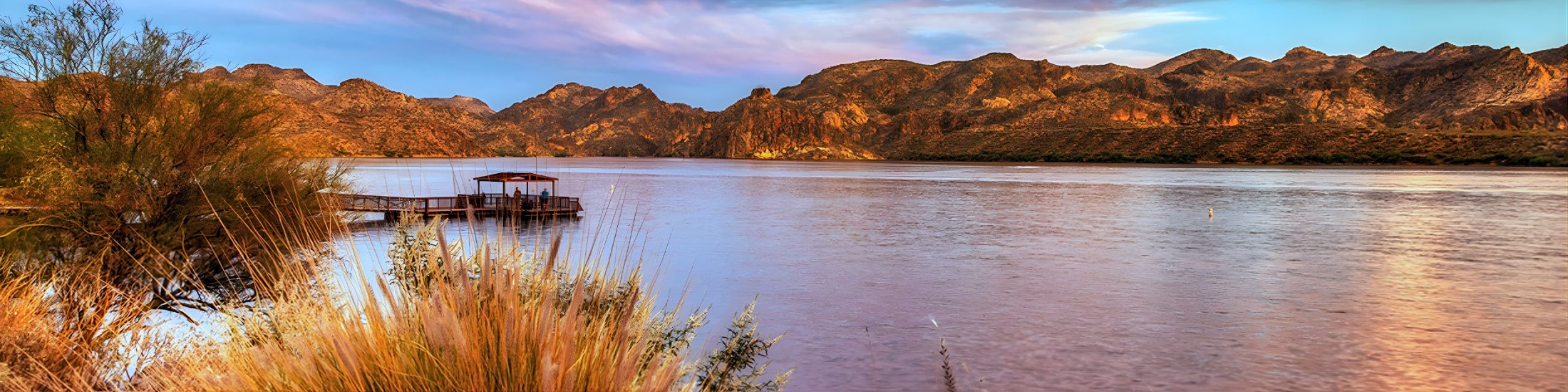
Lake Havasu has established itself as a premier fishing destination that attracts anglers from across the globe, offering diverse opportunities that cater to everyone from weekend warriors to dedicated fishing enthusiasts. The expansive reservoir provides a unique fishing experience that combines trophy potential with accessibility, making it an ideal destination for both seasoned professionals and families looking to introduce children to the sport.
"From first-timers to full-timers, this is your no-nonsense local guide to fishing Lake Havasu all year long," shared a local fishing expert, emphasizing the lake's appeal to anglers across all skill levels. The diverse fishing opportunities range from pursuing trophy striped bass to enjoying relaxed days targeting panfish along the shoreline.
"From first-timers to full-timers, this is your no-nonsense local guide to fishing Lake Havasu all year long,"


The lake's impressive biodiversity stems from both active stocking programs and healthy natural reproduction cycles. "The lake is stocked and naturally reproducing, with healthy populations of bass, catfish, panfish, stripers, and even rare species like redear sunfish and tilapia," explained a local angler who has fished the waters for years.
"The lake is stocked and naturally reproducing, with healthy populations of bass, catfish, panfish, stripers, and even rare species like redear sunfish and tilapia,"
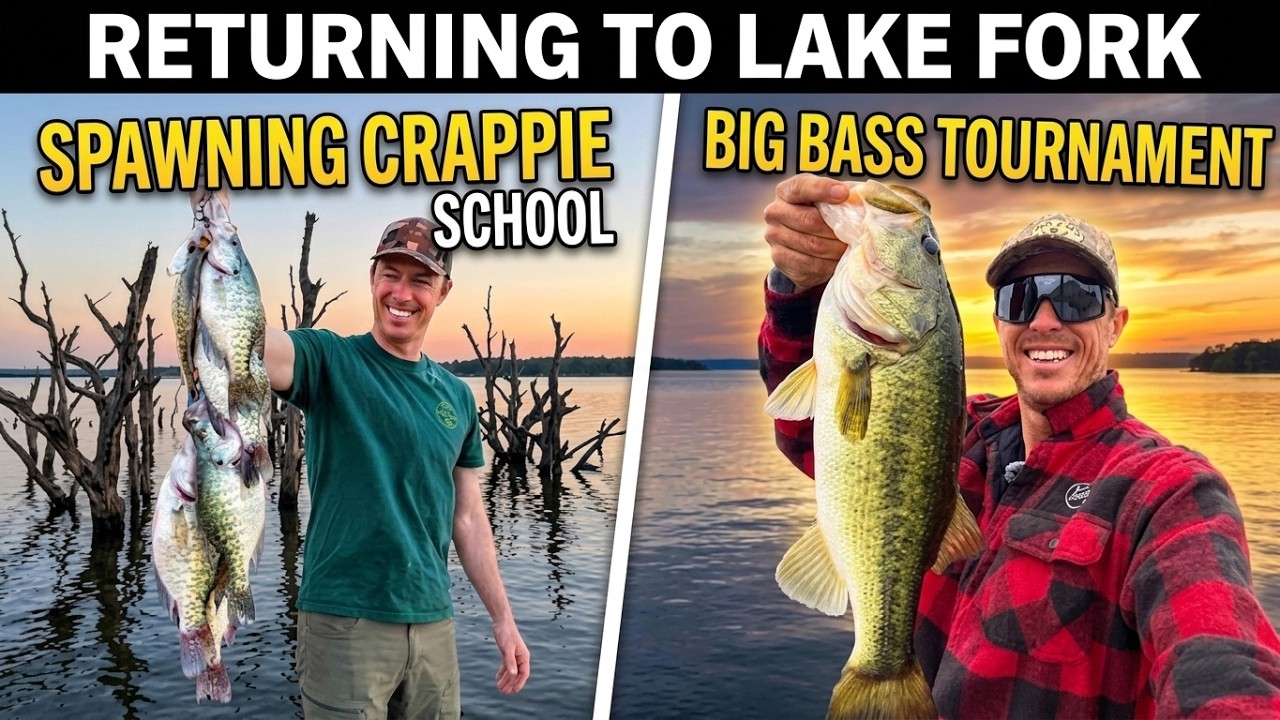
Seasonal fishing patterns at Lake Havasu create distinct opportunities throughout the year. Spring emerges as the most productive season, particularly for bass fishing, as both largemouth and smallmouth bass prepare for spawning activities. During this period, striped bass become increasingly active, schooling and feeding heavily in open water areas near the main river channel. Panfish also provide excellent opportunities in shallow waters as temperatures rise.
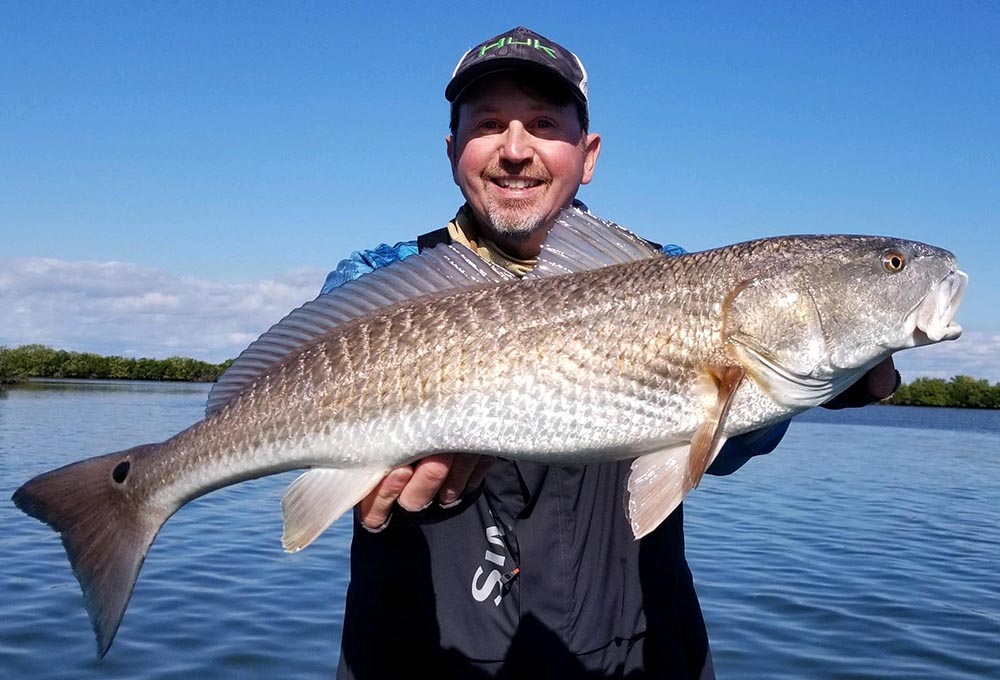
Summer brings its own unique fishing dynamics, with morning and evening sessions proving most productive for striper boils – spectacular surface feeding events that create exciting topwater action. Night fishing becomes particularly rewarding during the warmer months, with catfish and bluegill showing increased activity after dark. The topwater bass bite reaches its peak during summer, providing thrilling surface strikes.
As temperatures begin to cool in fall, bass populations migrate back into shallower waters, creating excellent opportunities for shore-based anglers. This season marks prime time for redear sunfish and crappie, while striped bass feed heavily in preparation for the approaching winter months. Fall fishing often produces some of the year's most consistent action.
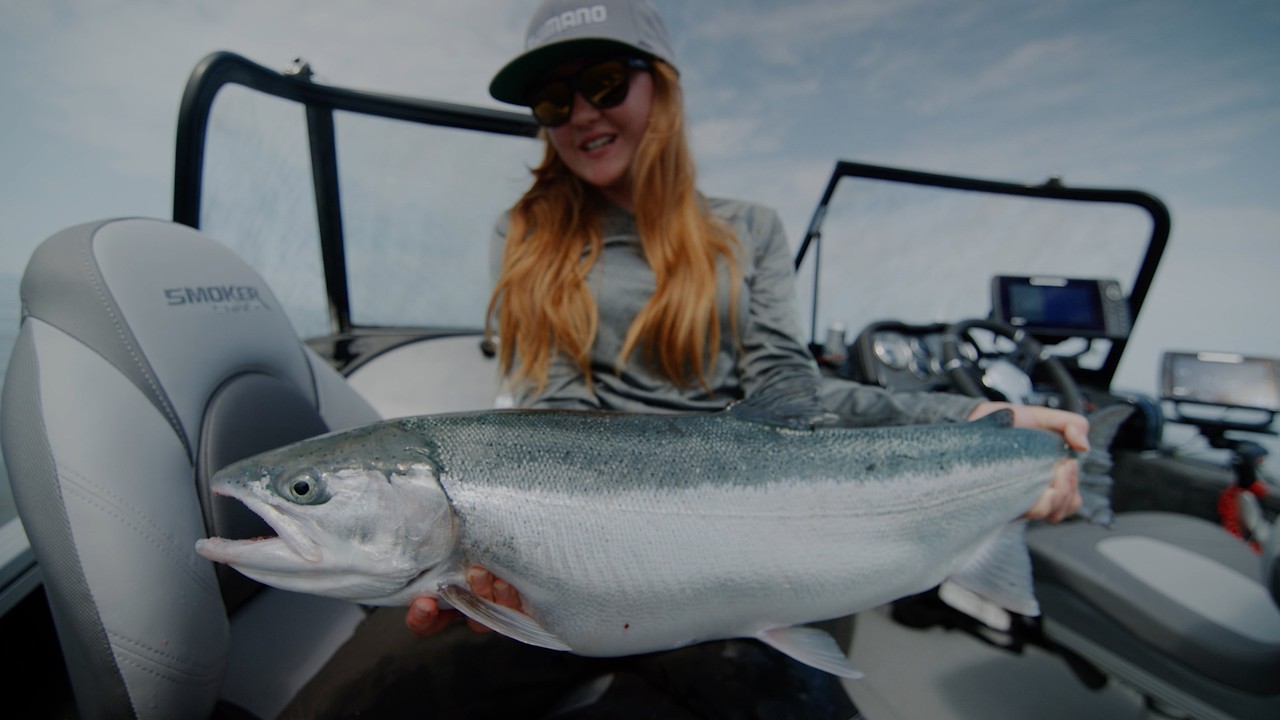
Winter represents the most challenging season, with overall fishing activity slowing considerably. However, dedicated anglers can still find success by targeting stripers and catfish using deeper jigging techniques near channel edges where fish congregate in the lake's thermal layers.
Understanding local fishing regulations proves essential for a successful and legal fishing experience. "Arizona Game & Fish publishes statewide fishing regulations, but Lake Havasu has its own special rules," cautioned a local fishery supervisor. The regulations include several important provisions that differ from standard Arizona rules.
"Arizona Game & Fish publishes statewide fishing regulations, but Lake Havasu has its own special rules,"
Qualifying
Qualifying
Qualifying
Anglers can utilize two poles simultaneously if they possess a valid two-pole stamp, increasing their chances of success. However, strict regulations prohibit transporting or releasing live baitfish into the lake to protect the existing ecosystem. Species-specific limits vary significantly: bluegill, sunfish, and crappie have no size restrictions but are limited to a combined bag limit of 25 fish. Channel catfish similarly have no size limit but are restricted to 10 fish per day. Carp and tilapia have no limits and can be harvested using traditional methods, bow fishing, or spearing.
An important consideration for anglers is the lake's unique geographic position. Those fishing from the California side must comply with California fishing regulations, which may differ from Arizona rules, potentially affecting license requirements and bag limits.
Championship Implications
Championship Implications
For anglers without boat access, Lake Havasu provides numerous excellent shoreline fishing locations. "You don't need a boat to fish Lake Havasu. There are plenty of great shoreline access points," noted a local guide familiar with the area's best spots.
Rotary Park offers convenient in-town access and consistently produces bluegill, redear sunfish, and catfish. The location's accessibility makes it particularly popular with families and casual anglers. For those seeking a more remote experience, Bill Williams River National Wildlife Refuge provides excellent spring crappie and largemouth bass fishing in a pristine natural setting.
Championship Implications
Mesquite Bay features designated fish habitat coves that have been specifically enhanced to support bass and catfish populations. These artificial structures create ideal ambush points and holding areas for gamefish. London Bridge Beach combines historical significance with fishing opportunity, offering both shoreline access and fishing docks that simplify casting and landing fish.
Windsor State Park provides the most extensive shoreline access, with miles of fishable water that holds various species including the prized striped bass and healthy catfish populations. The park's facilities make it ideal for extended fishing trips and family outings.
Spring fishing tactics focus on taking advantage of increased fish activity. Cut baits and stink baits prove effective for catfish during warmer evening periods, while striped bass respond well to trolling techniques in areas where river currents meet the main lake basin, creating natural feeding zones that concentrate baitfish and attract predators.