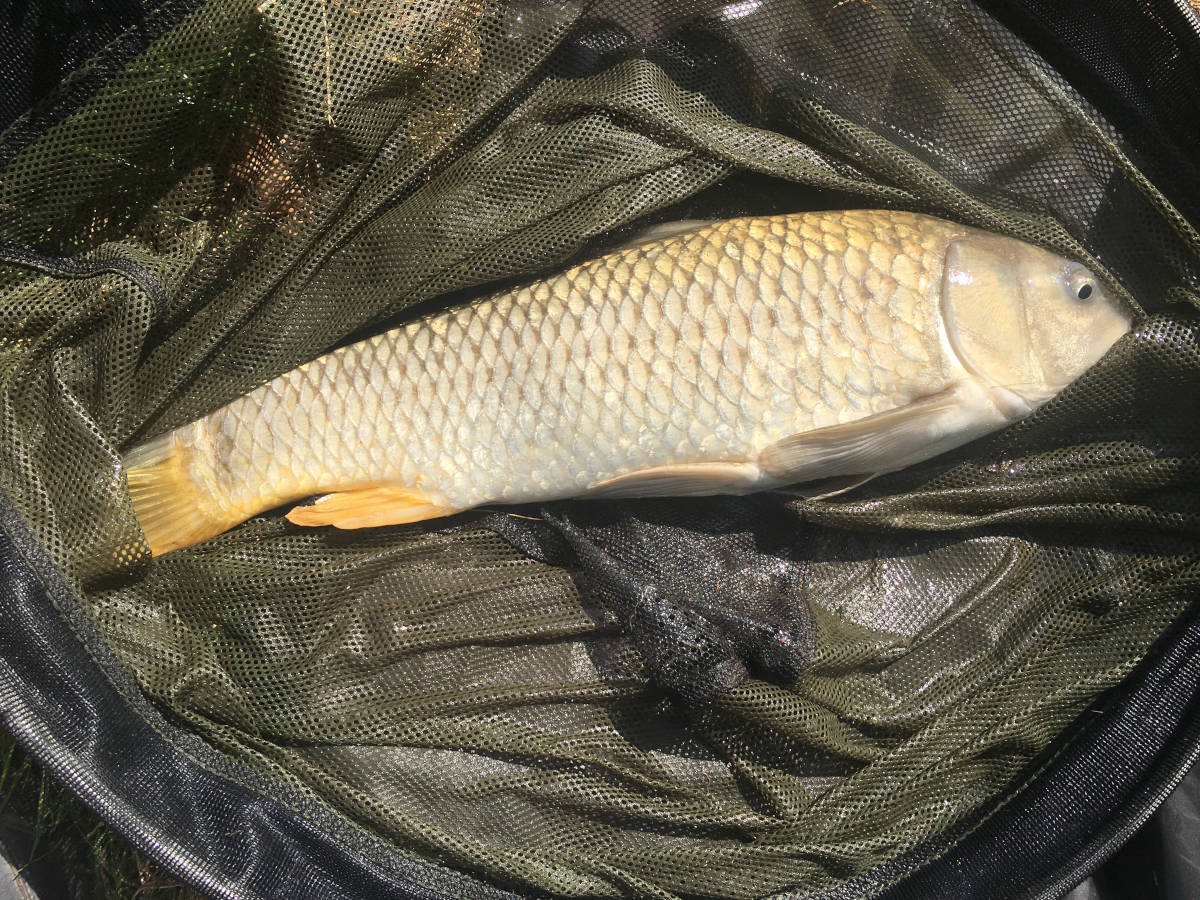
Lake fishing provides a unique blend of relaxation and adventure, making it a beloved pastime for many outdoor enthusiasts. Whether you are a novice angler or a seasoned pro, gaining insight into the various fish species found in freshwater lakes can enrich your fishing endeavors.
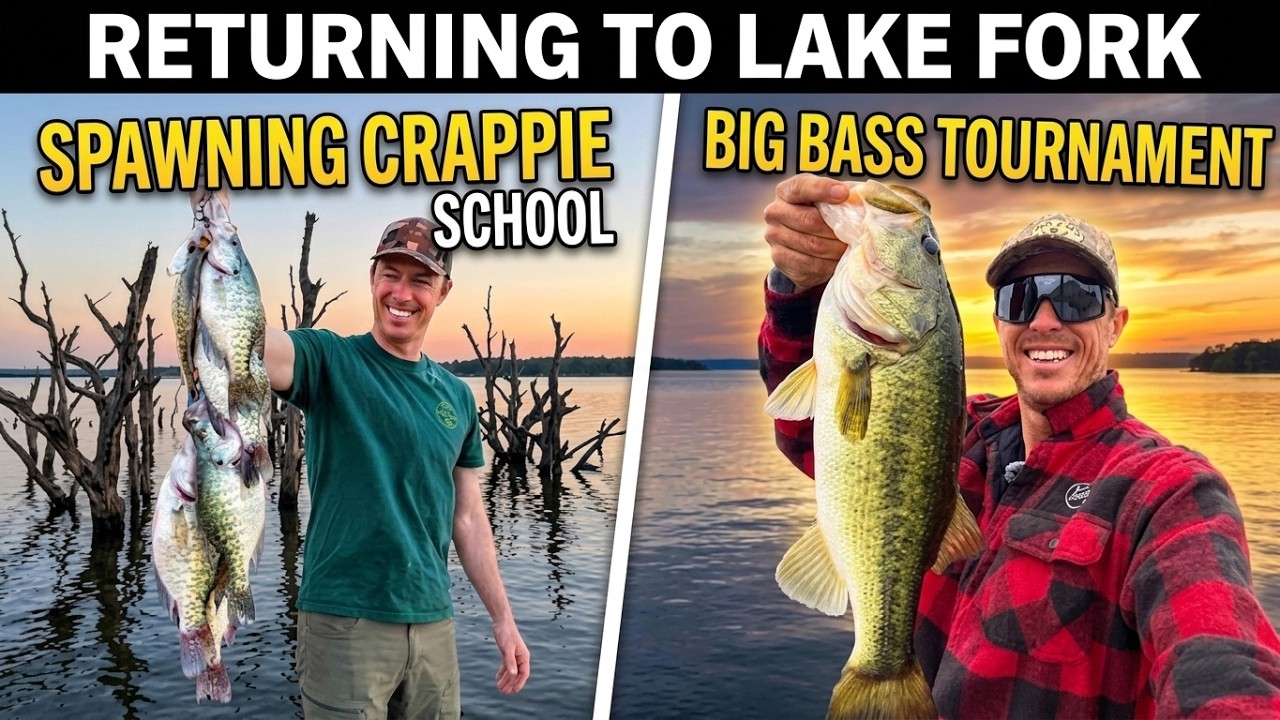
One of the most pursued species by anglers is bass. "Largemouth bass, smallmouth bass, and spotted bass are the main types that enthusiasts target," said an experienced local angler. The largemouth bass (Micropterus salmoides) is particularly popular, known for its aggressive feeding behavior, preying on smaller fish, insects, and even amphibians. These fish typically seek refuge in areas with ample cover, such as submerged logs and weeds.
"Largemouth bass, smallmouth bass, and spotted bass are the main types that enthusiasts target,"

Conversely, smallmouth bass (Micropterus dolomieu) often inhabit clearer, cooler waters with rocky bottoms. "They’re known for their energetic fighting spirit, making them a favorite among many anglers," noted a fishing guide. Their bronze-colored bodies and smaller size distinguish them from their larger relatives.
"They’re known for their energetic fighting spirit, making them a favorite among many anglers,"

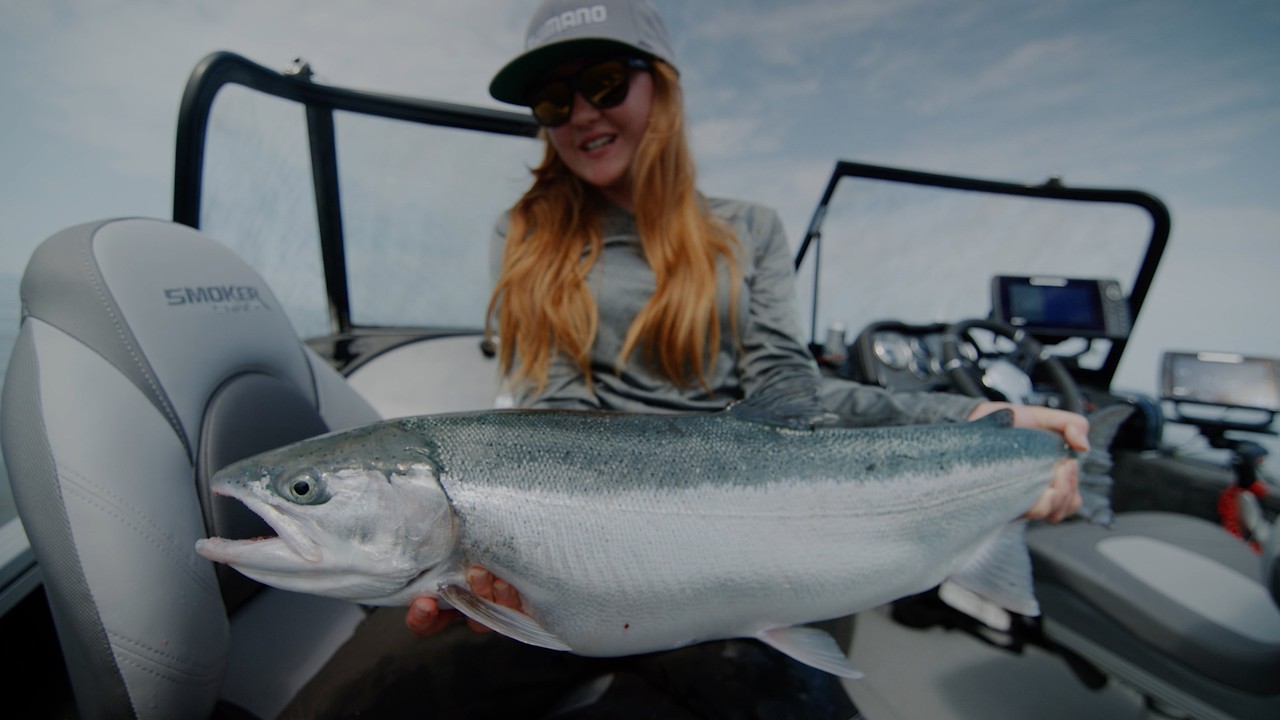
Trout also captivate the attention of anglers, especially species like the rainbow trout (Oncorhynchus mykiss). "Rainbow trout thrive in oxygen-rich, clear water and are generally found in deeper areas during the summer," explained a fisheries expert. They are often stocked in lakes for recreational fishing due to their vibrant colors and recreational appeal.
"Rainbow trout thrive in oxygen-rich, clear water and are generally found in deeper areas during the summer,"
Additionally, brown trout (Salmo trutta) can be found in deeper, colder waters. "These fish are more elusive and pose a challenge for those looking to catch them," remarked a fishing veteran. Known for their beautiful brownish bodies adorned with black and red spots, they require more strategic fishing practices.
"These fish are more elusive and pose a challenge for those looking to catch them,"
Then, there’s the lake trout (Salvelinus namaycush), which prefers deeper, colder water. These large predators have dark spotted bodies and are known to inhabit the depths where the temperature ranges from 50 to 60°F.
Walleye (Sander vitreus) are another species that continue to gain favor among anglers. "Walleye have olive to golden-colored bodies with sharp teeth, and they're prized for their flaky, delicious meat," said a local fishery biologist. Most active during dawn and dusk, walleye fishing tactics often involve the use of jigs or crank baits.
"Walleye have olive to golden-colored bodies with sharp teeth, and they're prized for their flaky, delicious meat,"
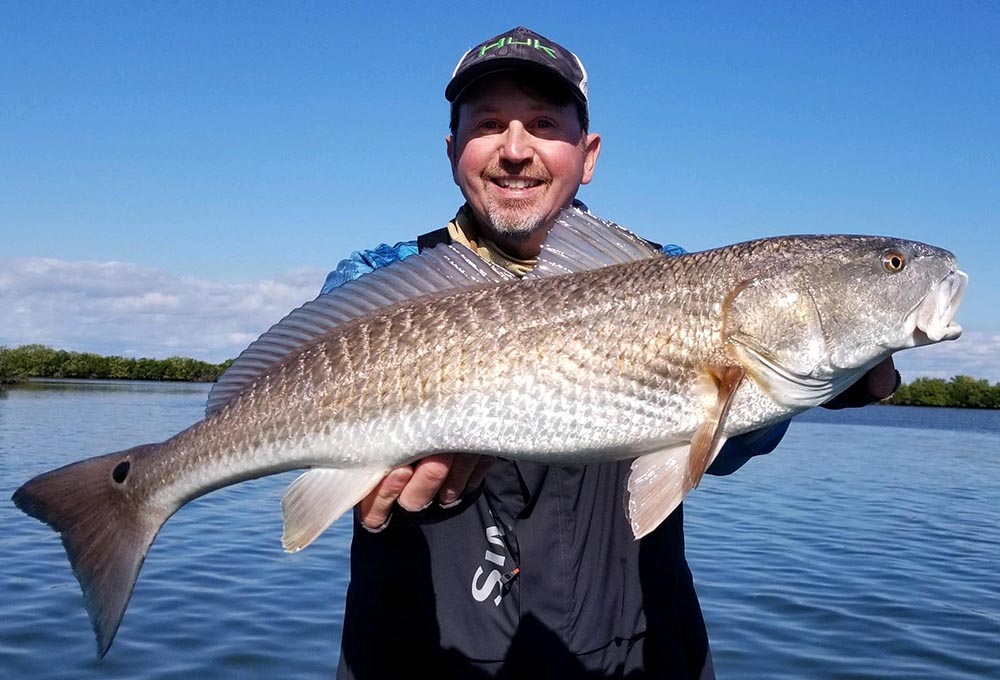
On the predator side of the scale, the northern pike (Esox lucius) is renowned for its razor-sharp teeth and aggressive feeding habits. "They are often found lurking near drop-offs and submerged structures," shared a dedicated pike fisherman. To attract their attention, anglers are advised to utilize flashy lures.
"They are often found lurking near drop-offs and submerged structures,"
The yellow perch (Perca flavescens) is a more accessible target for beginners. "You can typically find them in shallow waters with sandy bottoms, and they're often easy to catch," said a local fishing instructor. These small schooling fish are known for their vertical black stripes and can lead to a productive fishing trip once one is hooked.
"You can typically find them in shallow waters with sandy bottoms, and they're often easy to catch,"
Crappie, another popular species, thrive in lake habitats that feature plenty of vegetation. "With species like black crappie and white crappie, they offer anglers a fun challenge," explained a seasoned crappie angler. Spring is the best season for catching them, as they move to shallow waters to spawn.
"With species like black crappie and white crappie, they offer anglers a fun challenge,"
Moving into the depths, catfish, including channel catfish (Ictalurus punctatus) and flathead catfish (Pylodictis olivaris), appreciate deeper, slow-moving sections of lakes. "These bottom-dwellers are often more active at night and respond well to stink bait or chicken liver," advised an expert catfish angler.
"These bottom-dwellers are often more active at night and respond well to stink bait or chicken liver,"
Lastly, the bluegill (Lepomis macrochirus) resides in shallower waters and is recognizable by its striking blue and orange coloration. "Bluegill are particularly appealing to beginners due to their abundance and willingness to bite," stated a knowledgeable fishing coach. Using small hooks and live bait, many newcomers have found success with this species.
"Bluegill are particularly appealing to beginners due to their abundance and willingness to bite,"
As fishing enthusiasts deepen their understanding of these various lake fish species, they appreciate the intricate dynamics that make each species unique. Whether it's the thrill of battling a walleye or the tranquility of waiting for a bluegill to nibble, each fishing expedition offers its own reward. The insights gained about their habitats and behaviors help shape a more fulfilling fishing experience.