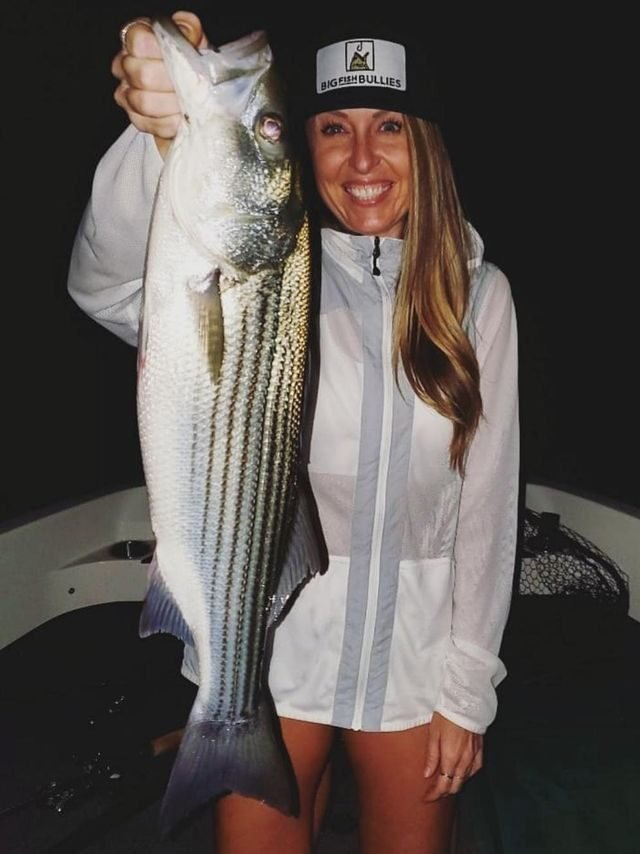
Fishing for striped bass is a pursuit that captivates both seasoned anglers and newcomers alike. Known scientifically as Morone saxatilis, striped bass are often referred to as stripers or rockfish and are unique for their adaptability to both freshwater and saltwater habitats. These fish are not only popular targets for recreational fishing but also known for their impressive size, with records reaching over 80 pounds.
"Striped bass are the most popular inshore saltwater game fish in the Northeast," said a fishing expert familiar with the species. Their range extends from Maine down to South Carolina, providing numerous fishing opportunities across several states. Techniques to catch striped bass include trolling, casting, and using live bait, as well as surf fishing, making them a versatile target for anglers.
"Striped bass are the most popular inshore saltwater game fish in the Northeast,"

"They migrate up into freshwater rivers to spawn," continued the expert, highlighting the fish's seasonal behavior. On the East Coast, significant spawning areas include the Chesapeake Bay watershed and the Hudson River, while on the West Coast, the Sacramento River serves a similar purpose. Furthermore, striped bass have been successfully transplanted into various large freshwater lakes, allowing anglers in these regions to enjoy productive fishing.
"They migrate up into freshwater rivers to spawn,"

Freshwater systems created in the 1960s and 1970s often supported thriving populations of striped bass as they established themselves alongside existing largemouth bass fisheries. As the years have passed, many underwater structures necessary for their sustenance have degraded, leading striped bass to adapt to the new artificial structures provided by docks and other man-made features.
Impact and Legacy
"Even though striped bass excel in open waters, successful fishing can be impacted by the structures available in lakes," said another fishing professional. This adaptability has allowed them to flourish in environments where they were not originally present, as they hunt for prey like herring and shad.
"Even though striped bass excel in open waters, successful fishing can be impacted by the structures available in lakes,"
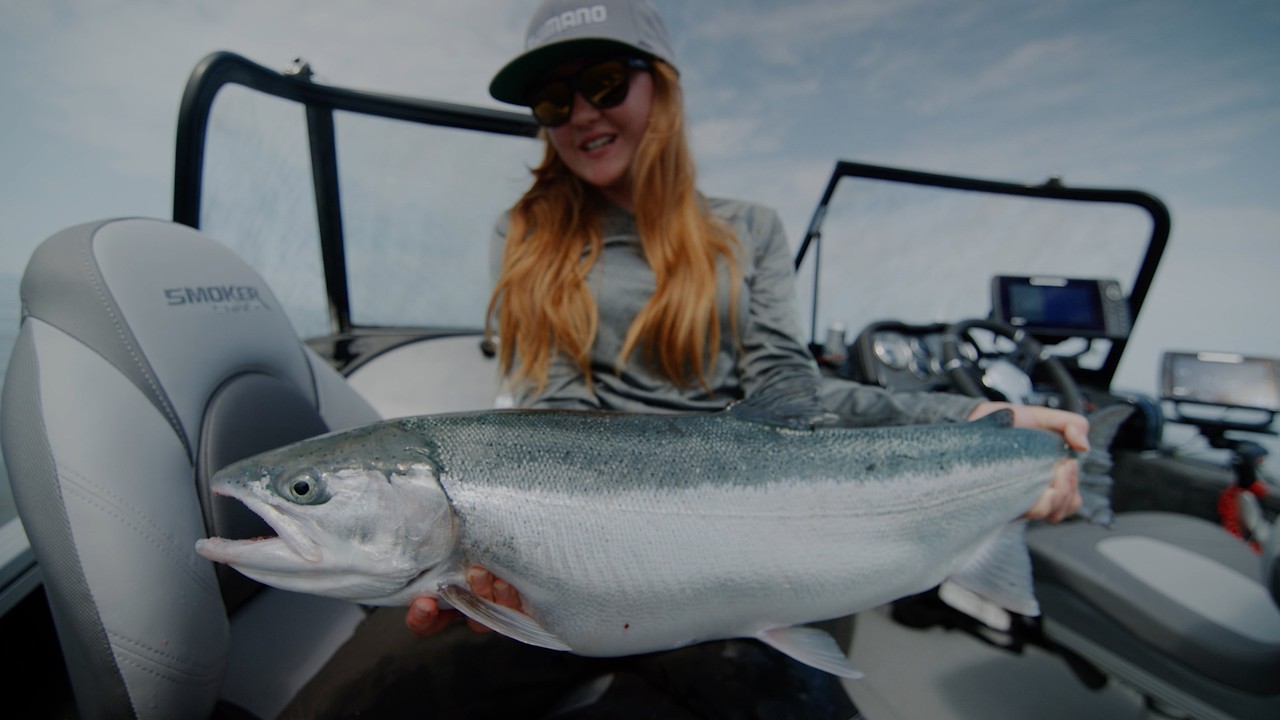
The habits of striped bass further accentuate their allure as game fish. They are known as open water predators and typically form large schools. "These fish are opportunistic feeders and often seen feeding on the surface," said an experienced angler, referring to the excitement of spotting what is known as “breaking fish.” When active, these fish can be lured using flashy lures, which are particularly effective during feeding frenzies.
"These fish are opportunistic feeders and often seen feeding on the surface,"
“Techniques such as trolling also work wonders when they are suspended below the surface,” the expert noted regarding effective fishing methods. Many anglers have found success casting lures and baits toward shoreline structures, particularly in deeper saltwater conditions. River fishing can also be fruitful as striped bass make their way to spawning grounds.

When it comes to tackle, the choice largely hinges on the fishing method and size of the targeted fish. "A medium spinning tackle works well for casting lighter lures, while medium-heavy baitcasting gear offers more versatility for larger striped bass," explained a tackle specialist. Heavy conventional tackle is typically required for trolling in deeper waters.
"A medium spinning tackle works well for casting lighter lures, while medium-heavy baitcasting gear offers more versatility for larger striped bass,"
A preferred setup for many anglers includes a 7’ medium action rod coupled with a 3000-4000 series reel spooled with 20 lb braided line. This combo caters to those targeting average-sized striped bass, whether in fresh or saltwater, making it an ideal choice for general anglers.
For more experienced fishermen aiming for larger fish, "heavy conventional tackle is essential," a pro angler confirmed, particularly when trolling or presenting live baits. Penn’s 4/0 outfit stands as a great example of effective gear for landing substantial catches. Meanwhile, surf fishing remains a crowd favorite along the East Coast, drawing fishermen equipped with standard gear typically used for beachside angling.
"heavy conventional tackle is essential,"
In terms of effective fishing techniques, potential strategies include various methods adapted to the region and conditions. With the proper equipment and knowledge of striped bass behavior, anglers can significantly enhance their chances of success. As these fish continue to captivate, understanding their habits and preferences remains integral for making the most of each fishing trip.
As anglers set their sights on the waters this season, the quest for the elusive striped bass opens a world of excitement and challenge, promising memorable experiences whether in serene freshwater lakes or along the vibrant coastlines.
Looking Ahead
With continuous adaptations and innovations in methods and gear, the future of striped bass fishing looks promising, ensuring that anglers of all ages and skill levels can engage with this exhilarating sport.