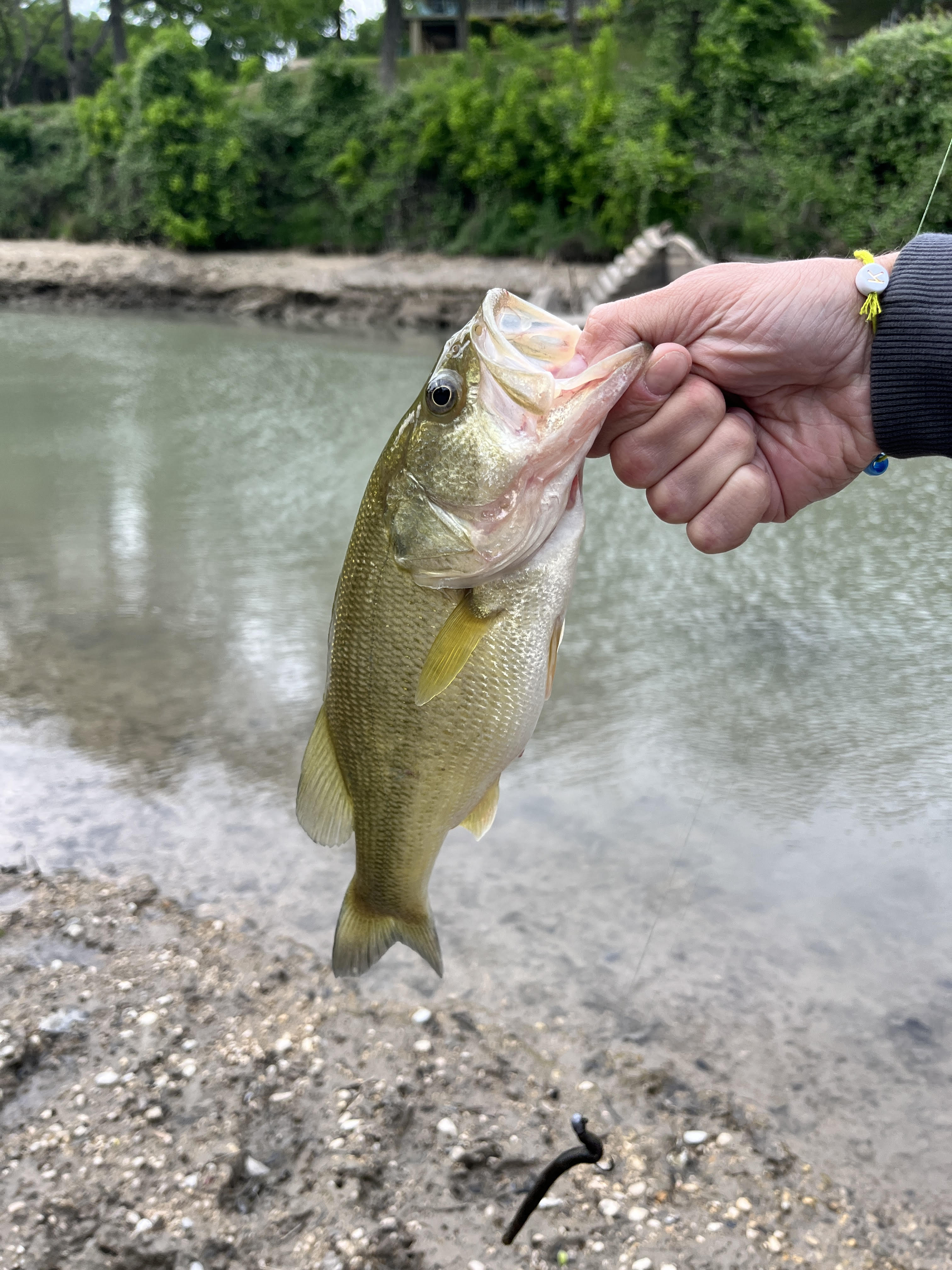
For millions of freshwater anglers across the United States, few fish inspire as much excitement and dedication as the largemouth bass. These aggressive predators, which can range from a modest pound to trophy specimens exceeding ten pounds, have become the quintessential target for recreational fishing enthusiasts seeking both challenge and reward.
"Largemouth bass are revered for their spirited nature and strong fight," shared one avid angler, explaining why this species has captured the imagination of beginners and seasoned fishermen alike. Their widespread distribution across lakes, rivers, and ponds throughout the country makes them accessible to anglers of all skill levels, contributing to their enduring popularity as a gateway species for those seeking outdoor adventure.
"Largemouth bass are revered for their spirited nature and strong fight,"

The journey to bass fishing success begins with proper equipment selection, according to experienced guides and anglers. Choosing an appropriate fishing pole represents a crucial first step that can determine whether a day on the water ends in triumph or frustration.

"A rod that's between six and seven-feet tall and has medium to medium-heavy action is ideal for learning how to find the fish," suggested one experienced fisherman. This specification provides the versatility needed for various techniques while offering sufficient backbone for effective hook sets.
"A rod that's between six and seven-feet tall and has medium to medium-heavy action is ideal for learning how to find the fish,"
The financial investment in bass fishing equipment can vary dramatically, with options ranging from basic combo packages around $20 to premium custom lightweight rods exceeding $300. However, experts emphasize that expensive gear cannot substitute for proper technique and knowledge of fish behavior.
Reel selection often overwhelms newcomers due to the vast array of available options, but fishing guides recommend keeping it simple. "For most beginners, a spinning reel is the simplest and most effective choice," noted a seasoned fishing guide. These reels offer user-friendly operation and facilitate quick line management, essential skills for successful bass fishing.
"For most beginners, a spinning reel is the simplest and most effective choice,"
When shopping for spinning reels, anglers should prioritize models with gear ratios of 5:2:1 or higher. This specification provides enhanced control over lure presentation and allows for retrieve speed adjustments based on changing conditions and fish behavior.
Championship Implications
Location selection plays an equally critical role in bass fishing success. Largemouth bass exhibit a strong preference for cover and structure, utilizing these features as ambush points during their predatory activities.
Championship Implications
"These features provide ambush points as bass hunt smaller fish," revealed a local fishing expert, emphasizing the importance of targeting weed beds, fallen trees, and rocky areas. Understanding this behavior pattern significantly increases the likelihood of successful encounters.
"These features provide ambush points as bass hunt smaller fish,"
Seasonal patterns add another layer of complexity to bass fishing strategy. During spring months, bass concentrate near grass lines and weed beds as they prepare for spawning activities. This predictable behavior provides anglers with reliable targets during the pre-spawn and spawn periods.
Career Journey
As seasons transition into autumn, bass behavior shifts dramatically. These fish tend to move toward rocky banks and structure where they can absorb warmth from sun-heated surfaces. Additionally, early mornings and late afternoons consistently produce the most active feeding periods, making timing as important as location selection.
Technique variation represents perhaps the most crucial element of bass fishing success. "One of the crucial tips for catching largemouth bass is to not stick to a single method," advised a veteran angler. This adaptability allows fishermen to match their presentation to the preferences and activity levels of individual fish.
"One of the crucial tips for catching largemouth bass is to not stick to a single method,"
Spring fishing offers numerous effective lure options, including weightless worms and lipless crankbaits that capitalize on aggressive pre-spawn feeding behavior. As water temperatures rise during summer months, bass typically retreat to deeper, cooler areas where they remain comfortable and continue feeding.
Summer techniques require adjustment to these behavioral changes, with deep diving crankbaits and Carolina Rigs becoming more effective tools for reaching fish in their thermal refuges. These presentations allow anglers to maintain contact with bass populations even when surface temperatures become uncomfortable for the fish.
Fall fishing presents unique opportunities as bass behavior becomes more varied. According to fishing experts, "In fall, you often experience the best of both worlds, with fish in shallow water and others still in deeper spots." This distribution requires anglers to employ multiple techniques and cover various depth ranges during single fishing sessions.
The learning curve for largemouth bass fishing rewards patience and persistence. As anglers develop understanding of seasonal behaviors, refine their equipment choices, and master various presentation techniques, their success rates improve dramatically.
Experienced guides emphasize that bass fishing success stems from the intersection of proper equipment, behavioral knowledge, and technique adaptation. While the sport may initially seem challenging, beginners who invest time in understanding these fundamental elements often find themselves developing a lifelong passion for pursuing one of freshwater fishing's most rewarding species.