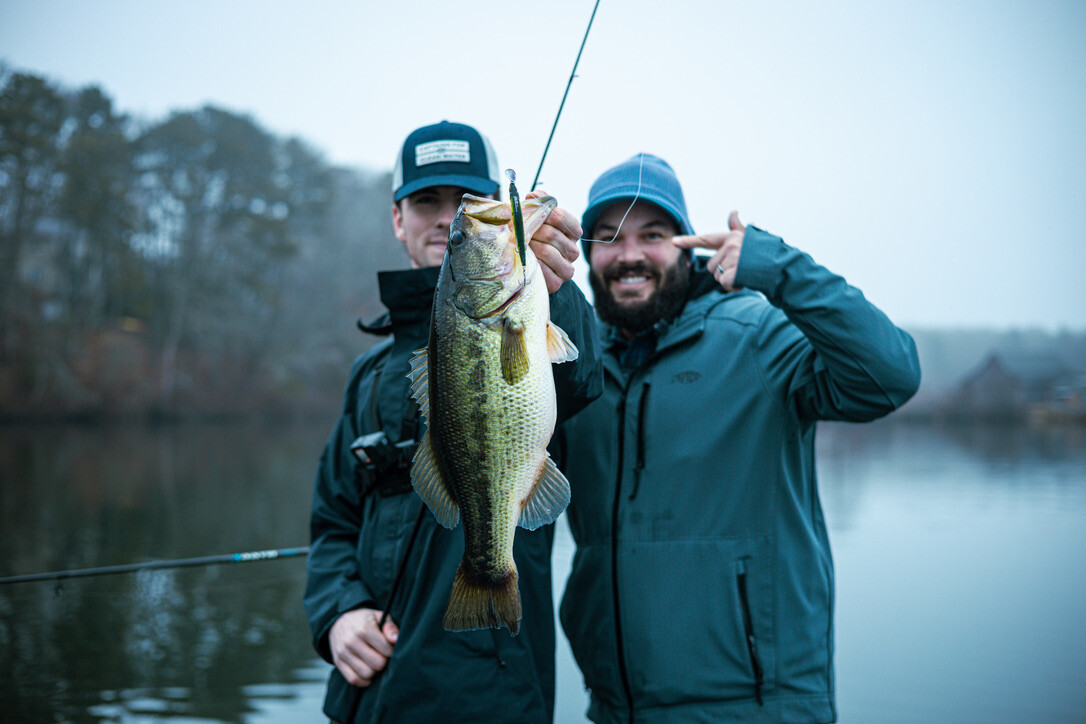
As temperatures rise and spring unfolds, anglers across the country eagerly anticipate the return of one of the most popular fishing activities: bass fishing. The warm season transforms the behavior of largemouth bass, bringing them into shallower waters, making them more accessible for both seasoned fishermen and novices alike. To maximize your chances, understanding how bass behave throughout the pre-spawn, spawn, and post-spawn phases is essential.
"The spring is one of the best times to target bass across the country," said Shaye Baker, a fishery expert. During these months, bass move closer to shore as they prepare to spawn, and their feeding habits shift significantly. Consequently, those aiming to catch quality fish must adapt their strategies to align with the bass's changing behaviors.
"The spring is one of the best times to target bass across the country,"


The pre-spawn period is crucial, often defined as the phase right before the bass settle onto their nests. During this time, female bass are particularly heavy with eggs and actively feeding. Baker suggests that anglers can take advantage of this peak by focusing on areas with deep water near shallows. "Look for areas with deep water in close proximity to shallow water," Baker advised, recommending spots like creek channel bends and 45-degree banks where bass will stage before they move up to spawn.
"Look for areas with deep water in close proximity to shallow water,"
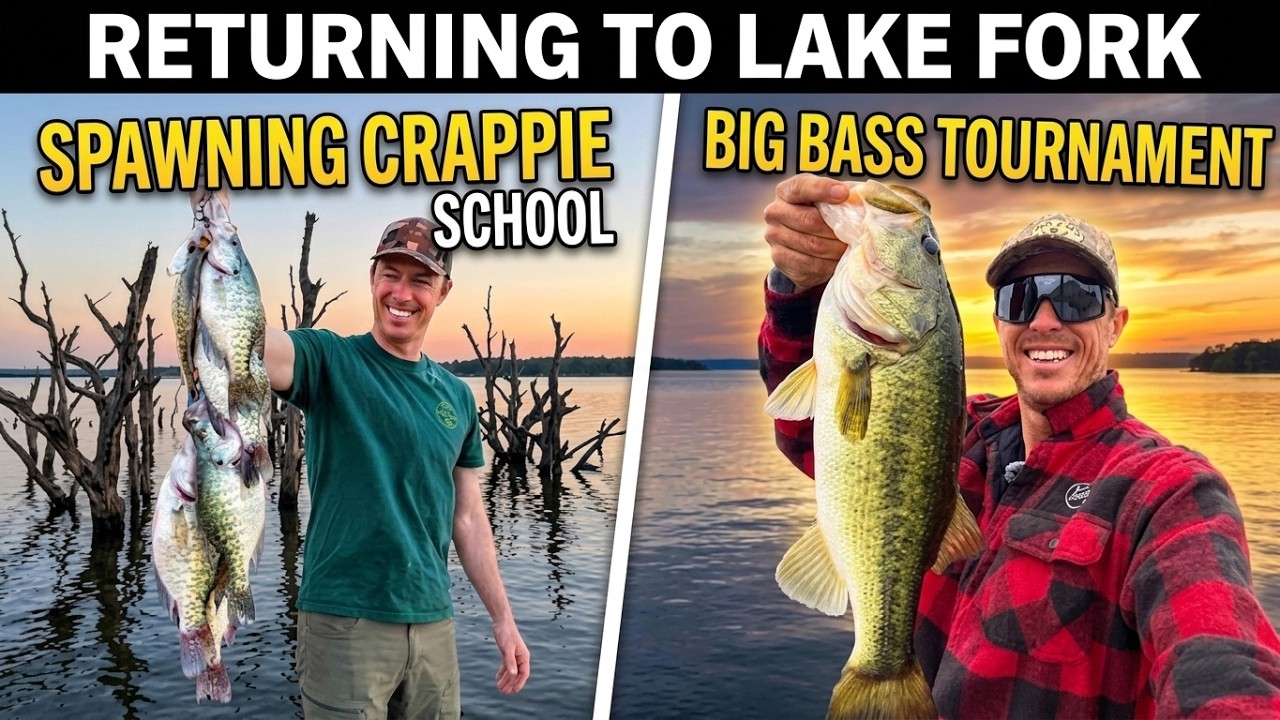
When targeting these pre-spawn fish, depth is a vital consideration. "Most of the staging bass in these pre-spawn areas will be in the lower half of the water column," Baker emphasized. This suggests that anglers should prioritize using jigs and medium-diving crankbaits over surface lures, as these are more effective in mimicking crawfish, one of bass's favored foods during this transitional phase.
"Most of the staging bass in these pre-spawn areas will be in the lower half of the water column,"
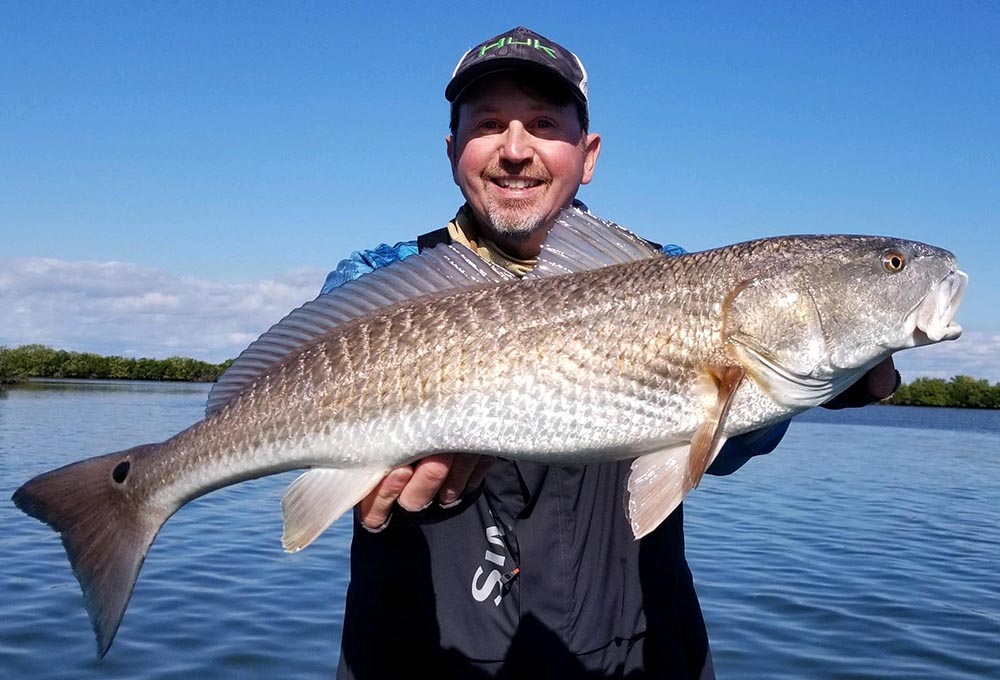
To effectively capture the bass's attention, varying the speed of retrieval can also be beneficial. "Bass become much more aggressive as water temperatures rise," Baker noted, encouraging the use of faster-moving baits like lipless crankbaits and spinnerbaits. This aggressive approach can provoke strikes from the increasingly hungry fish.
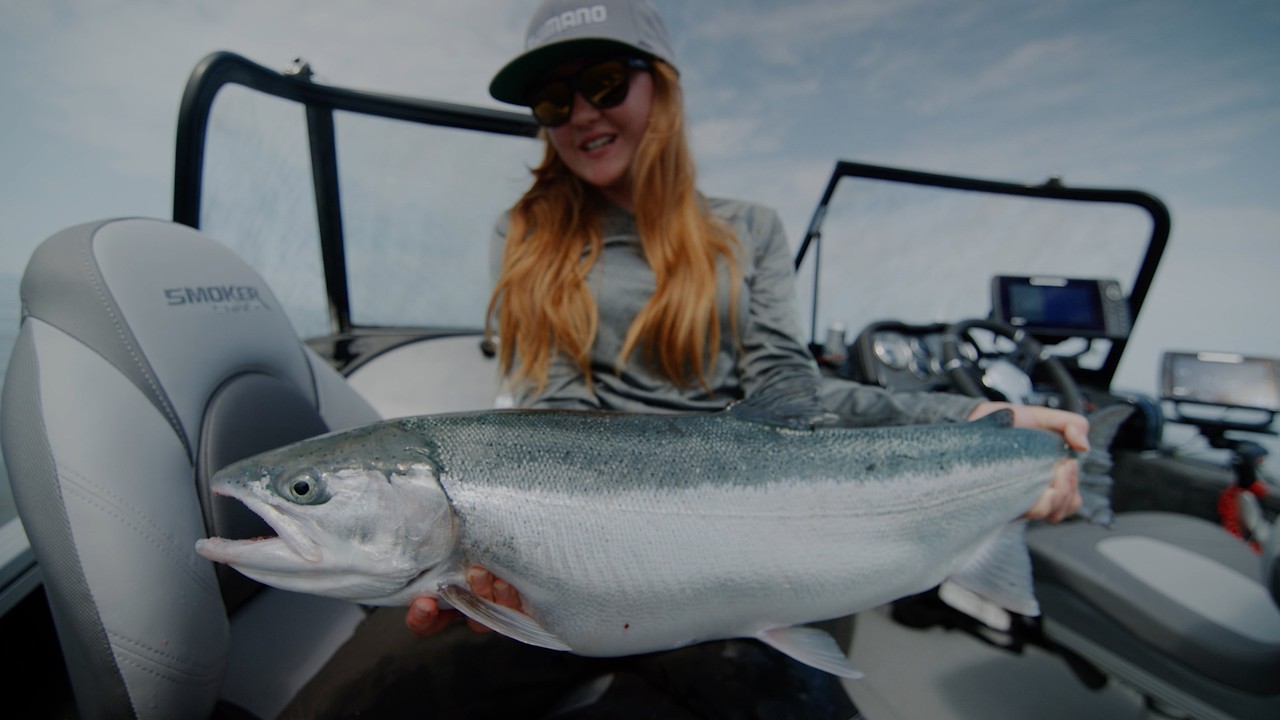
"Bass become much more aggressive as water temperatures rise,"
Career Journey
"Bass feed around structures, whether it’s rocks, grass, or wood,"
As the spawn kicks into gear, anglers need to broaden their understanding of bass behavior. When bass are actively laying eggs, the dynamics of feeding change, and their movement patterns shift. During spawning, Baker acknowledges, "Bass can be more protective of their nests and less inclined to bite, but they can still be coaxed with the right tactics."
Popular strategies during the spawn include flipping soft plastics into shallow beds or using wacky-rigged worms, which can be particularly enticing for bass looking to protect their nests. In addition, lighter line and slow presentations become more effective as bass become cautious.
Post-spawn, the bass's behavior changes yet again. After the spawn, fish often retreat into slightly deeper water but stay relatively shallow. Baker advises anglers to look for them along the edges of spawning areas. "Post-spawn bass are often fatigued and looking to recover, so targeting them with slower, finesse presentations can lead to greater success," he remarked.
"Post-spawn bass are often fatigued and looking to recover, so targeting them with slower, finesse presentations can lead to greater success,"
In summary, spring offers a unique opportunity to catch largemouth bass, provided that anglers adjust their tactics according to the different stages of the spawn. Shaye Baker's insights into the specifics of bass behavior—from their shallow antics during pre-spawn to their cautious nature when protecting nests—can provide a significant advantage. By applying these tactics and understanding when to adapt, you can improve your fishing success this spring and reel in those trophy fish.
As spring progresses, the excitement of bass fishing peaks, providing all anglers with the chance to test their mettle against one of freshwater's most coveted species. No matter your level of expertise, this season is ripe for exploration and success.