When embarking on the journey of lake trolling, understanding the nuances of targeting popular game fish like trout, salmon, and walleye can significantly enhance your success rate. Choosing the right equipment is paramount, as different species exhibit varying habits and preferences in their aquatic environments.
"The right gear can make all the difference," noted fishing expert Jim Wallace. Each type of fish requires a specific approach when it comes to the setup, including rods, reels, and line weights. For trout, a medium-light trolling rod is effective when paired with a line-counter reel, accommodating line weights between 6 to 12 pounds. Conversely, salmon demand a more robust setup with a medium-heavy rod and a high-capacity line-counter reel, utilizing heavier braid for optimal performance. Walleye, on the other hand, thrive on a medium-action trolling rod with baitcasting options.
"The right gear can make all the difference,"

For deeper water fishing, downriggers are invaluable. "They’re essential tools for getting your lure down deep where fish often hold during warmer months," said pro angler Sarah Meyer. This equipment allows for accurate bait placement at targeted depths, which can be crucial when pursuing species like lake trout and salmon.
"They’re essential tools for getting your lure down deep where fish often hold during warmer months,"
In contrast, planer boards serve a different purpose, ideal for spreading out multiple lines and efficiently covering more surface area. These are particularly useful for catching walleye in shallower waters or when targeting surface-feeding trout.
"Downriggers work best for trout and salmon in depths ranging from 30 to over 100 feet, while planer boards shine in the 0 to 30 feet range," explained Mark Brown, a fishing gear specialist. Knowing when to employ each tool can amplify fishing success and maximize the chances of landing a catch.
"Downriggers work best for trout and salmon in depths ranging from 30 to over 100 feet, while planer boards shine in the 0 to 30 feet range,"
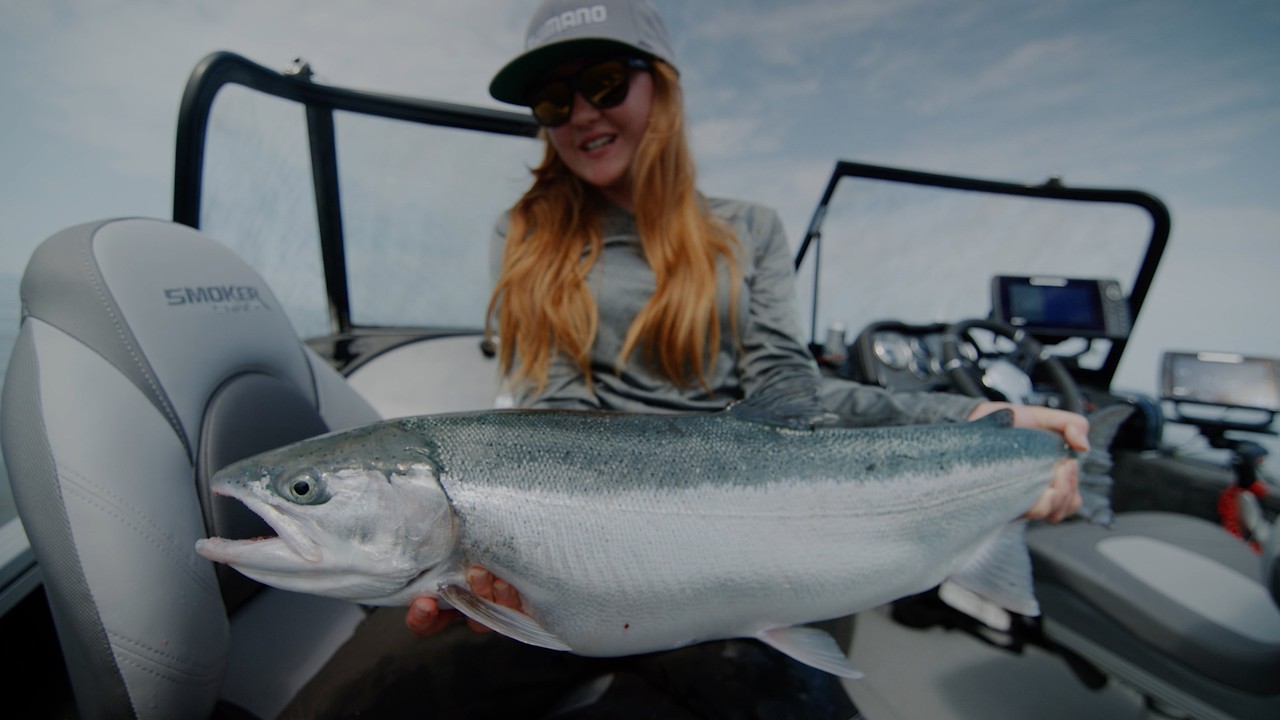
Additionally, the integration of advanced electronics greatly enhances fishing strategies. A quality fish finder can be one of the most important assets in a trolling setup, allowing anglers to locate schools of fish, understand the underwater structure, and track bait depth efficiently. "With GPS mapping features, it’s easier to mark productive spots and maintain consistent trolling routes," emphasized veteran fisherman Tom Reilly.
"With GPS mapping features, it’s easier to mark productive spots and maintain consistent trolling routes,"
Impact and Legacy
Understanding the surrounding lake structure and how it influences fish behavior is equally important. Seasonal changes, temperature variations, and underwater features interact to dictate where the fish will be located. For instance, trout generally prefer a temperature range of 50 to 60°F while salmon thrive between 48 and 58°F, and walleye enjoy a warmth of 55 to 68°F.

"Each species has its own preferred depth, especially during different times of the year," stated environmental biologist Claire Adams. She outlined that during warmer months, a thermocline usually develops in lakes, influencing where fish choose to populate. Salmon and trout prefer to remain just below or within this critical layer, while walleye may linger higher or around the thermocline, adjusting based on local conditions.
"Each species has its own preferred depth, especially during different times of the year,"
Analyzing seasonal depth patterns can provide further insights. In spring, the trend shifts shallower, with trout and salmon found in depths between 10 to 30 feet, while walleye occupy shallow flats. As summer approaches, trout and salmon adapt to deeper locations, preferring areas near or below the thermocline, ranging from 30 to 80 feet, while walleye frequent mid-depths. Fall sees both trout and salmon returning to shallower regions as temperatures decrease, while walleye move closer to spawning grounds.
Incorporating knowledge of lake structure can lead to more effective fishing. "Using sonar or a fish finder to highlight breaks in depth and activity around baitfish can pinpoint the best trolling zones," advised seasoned angler Rick Turner. Fish frequently gather near underwater features such as drop-offs, humps, ledges, and submerged timber, which offer ideal cover for ambushing prey.
"Using sonar or a fish finder to highlight breaks in depth and activity around baitfish can pinpoint the best trolling zones,"
Ultimately, integrating the right gear with an understanding of environmental conditions will bolster your lake trolling endeavors. With precise bait placement using the proper equipment and an awareness of fish behavior, anglers can truly elevate their fishing experience for trout, salmon, and walleye.