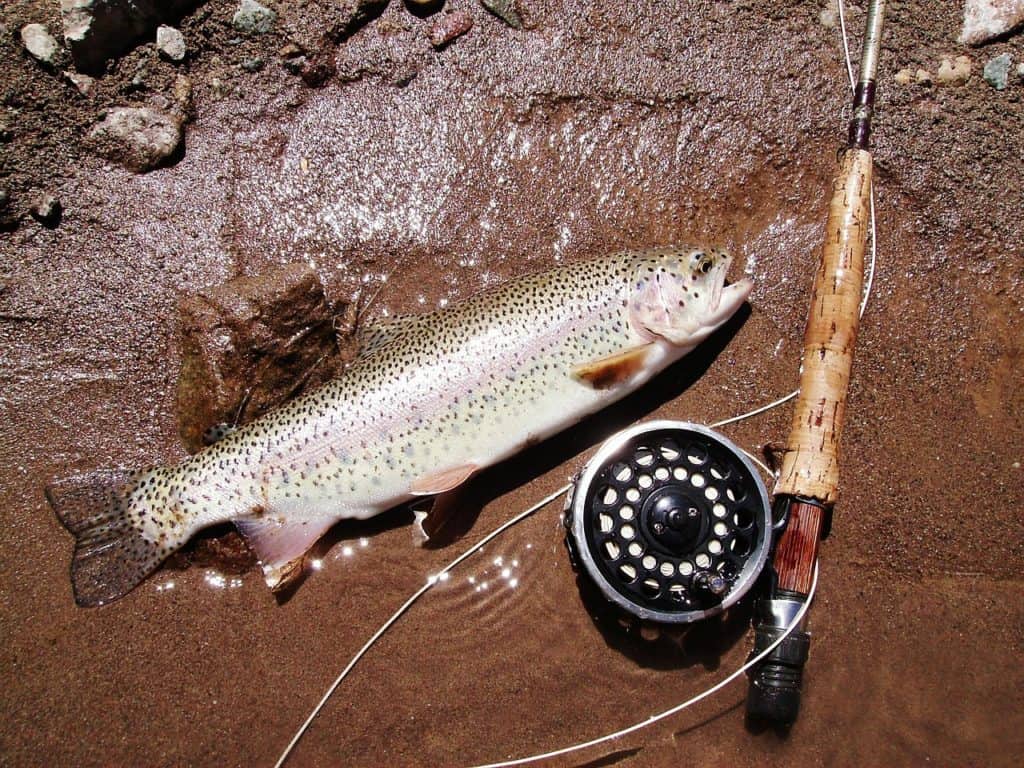
Trout fishing is a cherished activity among freshwater anglers in America, renowned for both its charm and the thrill of the catch. Whether in lakes, ponds, rivers, or streams, targeting trout can lead to memorable adventures in nature. As fishing enthusiasts begin their journey into trout fishing, understanding the basics can transform the experience from daunting to enjoyable.
"Fishing for trout is accessible, requiring just a few tools and techniques," said an avid trout angler. With the right information about gear and strategies, both novices and seasoned fishers can enhance their experience.
"Fishing for trout is accessible, requiring just a few tools and techniques,"


To effectively fish for trout, a few key areas need to be addressed: identifying where to fish, selecting the appropriate gear, configuring the right bait or lures, and mastering techniques that improve the likelihood of a catch. Anglers should check with local fish and game departments or sporting stores to find prime fishing locations, particularly those that are stocked with trout for recreational fishing.
"Licensing is crucial; most states require a fishing license for individuals over 12 years old," advises a representative from a local fishing authority. Those keen on trout fishing should verify the specifics of obtaining a license and familiarize themselves with regulations regarding size limits and seasonal restrictions.
"Licensing is crucial; most states require a fishing license for individuals over 12 years old,"

When it comes to tackle, the good news is that trout fishing can be straightforward. A minimal setup can suffice. Essential items include a fishing rod, reel, bait, and a few tackle accessories. For example, a basic setup might consist of:
Career Journey
- Power bait or eggs, - Spinners, - Worms or Nightcrawlers, - Fishing knife, - Small to medium bobbers, - Small split shot weights, - Bait hooks ranging from size #8 to #14, - A light spin-casting reel with 4 to 6 lb test line, - A 6-foot spinning rod.
Fly-fishing represents another exciting avenue for targeting trout. This method entails more specialized gear, such as fly rods, flies, and specific tippets. Having a diverse selection of gear permits anglers to adapt based on the conditions of the water and the time of year.
"Different waters require different approaches," noted a seasoned fly fisherman. Indeed, what attracts stocked trout in a lake might not appeal to those in a wild stream, as each habitat presents unique challenges and opportunities.
"Different waters require different approaches,"
Understanding the preferred habitats of trout is also crucial. Two primary environments are lakes and ponds, defined as still waters, and rivers and streams, which are categorized as moving waters. Typically, trout favor cool and clear waters abundant in food sources like insects and minnows. In still water, anglers should concentrate on areas with aquatic vegetation, as well as near logs and rocks where trout may congregate.
Career Journey
Career Journey
Career Journey
Timing also plays a vital role in trout fishing. The spring and fall seasons are often recommended, as water temperatures hover around the optimal feeding range of 50 to 60 degrees Fahrenheit. Early mornings and late evenings usually present the best opportunities since fish are often more active during these times due to a surge in insect populations.
When selecting your fishing spot, look for areas shaded by natural cover that can provide cool refuge for trout. Also, minimize disturbance to the water by keeping noise and shadowing to a minimum. Casting upstream can be particularly effective, allowing your bait to drift naturally into the trout's feeding zone.
Using a bait-and-bobber technique involves attaching live bait, such as worms or Nightcrawlers, to a hook paired with a lead weight and bobber. The casting setup should suspend the bait off the bottom, providing visibility to the trout but keeping it accessible. Anglers may need to adjust their bobber depth to pinpoint the best fishing spot; when movement occurs, it's time to set the hook.
As anglers continue to refine their trout fishing skills, they can leverage these guidelines and insights to maximize their chances of success. Learning from experiences on the water can lead to a deeper appreciation for the environment and the thrill of the catch, making each outing a unique adventure.
Ultimately, whether enjoying the serenity of a quiet lake or the dynamic flow of a rushing river, trout fishing can enrich lives through shared experiences and cherished moments outdoors.