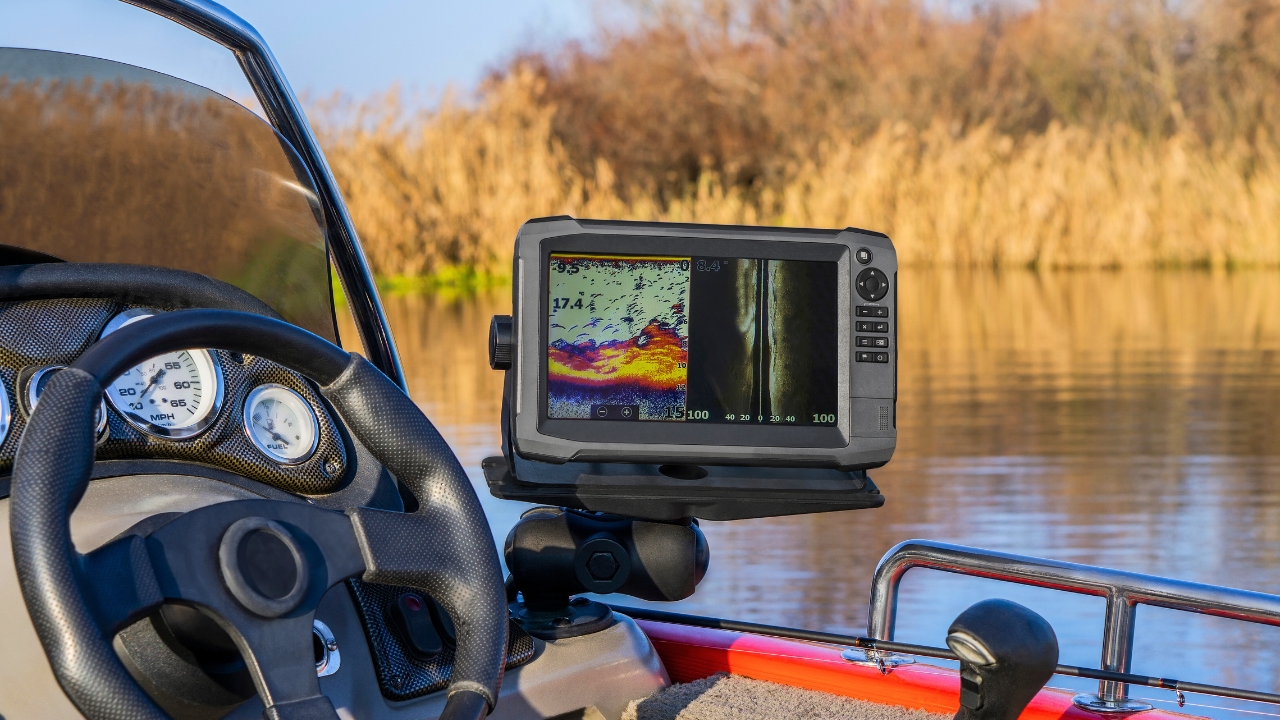
Finding bass quickly on new lakes can be a challenge for anglers, but having a strategic approach can make all the difference. Before even launching a boat, taking a moment to study a contour map or utilizing fish finders can save precious time on the water. "Steep drop-offs, points, humps, and creek channels are all bass magnets," said a seasoned angler. Being aware of where deep water meets shallow areas can significantly increase chances of catching bass, which often congregate in such zones.
"Steep drop-offs, points, humps, and creek channels are all bass magnets,"
Once you're on the lake, technology can be your ally. Using electronics to scan for structure and baitfish is crucial. "Side imaging can help you spot submerged timber or rock piles," noted an expert fishing guide. This method is further enhanced with down imaging, allowing for a clearer understanding of underwater features. If you notice schools of shad or bluegill, it's a strong indication that bass may be nearby, ready to feed.

"Side imaging can help you spot submerged timber or rock piles,"
Wind patterns are another essential factor to consider while fishing. Bass tend to be more active on windblown banks where baitfish are pushed towards shallower regions. "A good windblown bank will concentrate bait into a smaller area, giving bass an easy meal," explained a local fishing enthusiast. Therefore, starting your fishing expedition on the windy side of the lake can lead to more successful catches.
"A good windblown bank will concentrate bait into a smaller area, giving bass an easy meal,"


Another prime area to explore is major creek arms found in larger lakes. Often, these regions serve as habitats rich in structure and food sources. A knowledgeable guide stated, "These areas hold baitfish and offer a mix of deep and shallow water, giving bass everything they need in one place." This holds particularly true during spring and fall when bass are likely to migrate towards these locations to spawn or chase after baitfish.
Race Results
Grass beds in lakes are also key indicators of bass presence. Whether it’s hydrilla or lily pads, submerged vegetation plays a crucial role. "If a lake has grass, bass will be in it," emphasized a local bait shop owner. Carefully targeting irregular edges within the grass or searching for isolated patches can often yield better results as these spots tend to create ambush points for bass.
"If a lake has grass, bass will be in it,"
Moreover, riprap structures, such as bridge supports or dam walls, are prime locations to find bass, particularly during seasonal transitions. "These areas hold heat, attract baitfish, and give bass plenty of ambush spots," pointed out a veteran angler. When fishing in such areas, varying casting angles can be beneficial, as bass often hide in the crevices of rocks, necessitating precise bait placement.
"These areas hold heat, attract baitfish, and give bass plenty of ambush spots,"
Water clarity can also provide valuable insights into bass location. An abrupt change in water clarity, such as a mix of stained and clear water, often indicates a productive fishing zone. "If you see a mix of muddy and clear water, start there," suggested a fishing expert. Bass frequently gather at these transition lines, waiting to ambush erratic baitfish.
"If you see a mix of muddy and clear water, start there,"
Observing baitfish activity on the water is vital when attempting to locate bass. Signs such as birds diving or schools of shad moving about can alert anglers to the presence of bass hunting nearby. "If you’re not seeing baitfish, you’re probably not going to catch bass," warned a proactive fisherman. When you do observe active baitfish, mimicking their movements with the right tackle can lead to successful hookups.
"If you’re not seeing baitfish, you’re probably not going to catch bass,"
Race Results
Ultimately, applying these techniques can significantly enhance your bass fishing experience on new lakes. By utilizing tools such as maps, electronics, and an understanding of natural conditions, anglers can minimize searching time and maximize their catch. Each of these strategies emphasizes a critical aspect of bass fishing: knowing where to look and being prepared. With a solid approach, even a newly explored lake can yield fruitful results.