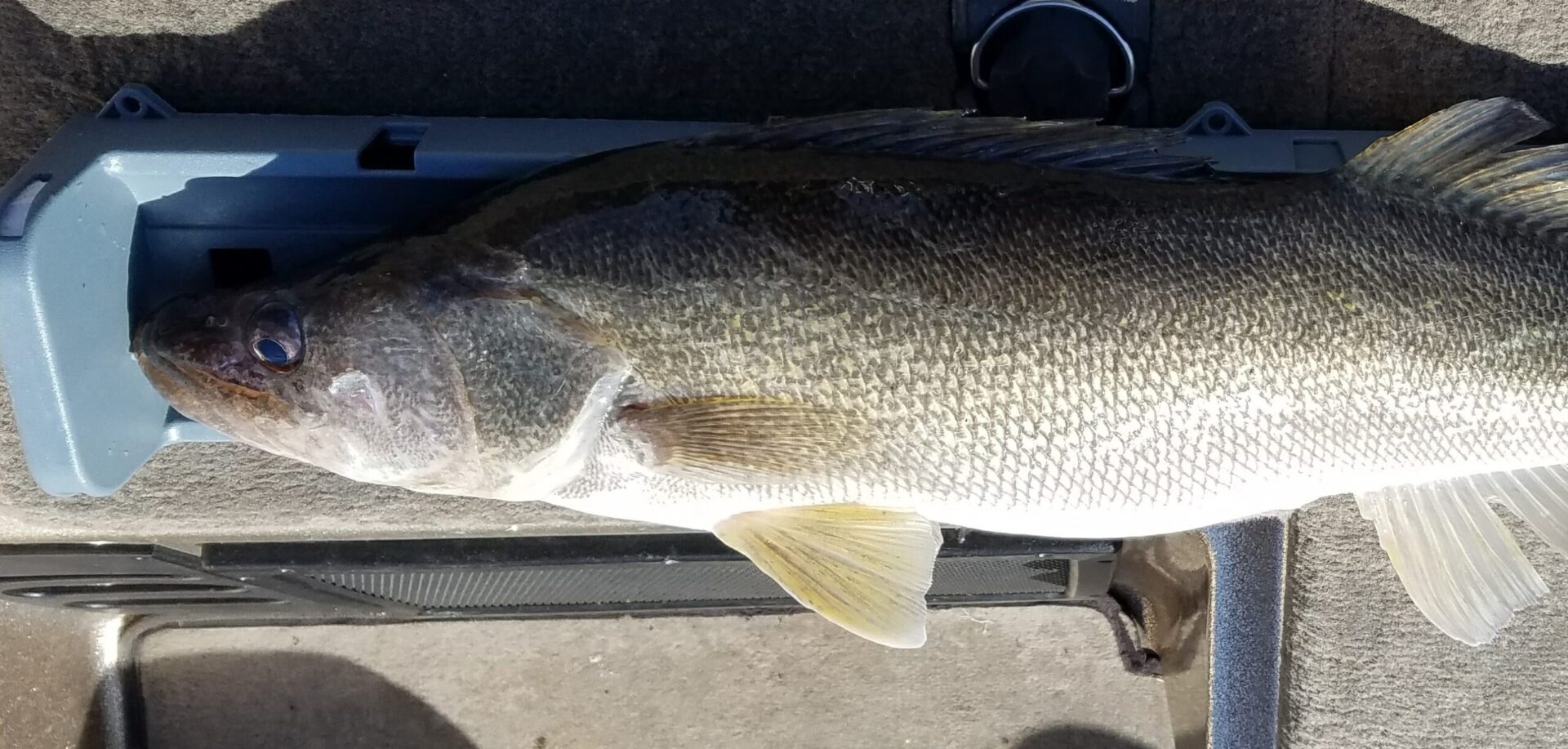
Walleye fishing is experiencing renewed interest among anglers across North America, with experts highlighting the species' unique appeal as a four-season fishery that offers consistent opportunities from the Great Lakes region to southern waters.
Unlike many game fish that are limited to specific seasons, walleye present a versatile fishing experience that attracts both novice and experienced anglers throughout the year. "Walleye thrive in a variety of environments, making them favorable for anglers regardless of the season," said Bob Thompson, a veteran fishing guide.
"Walleye thrive in a variety of environments, making them favorable for anglers regardless of the season,"

The species' widespread distribution across freshwater lakes and rivers throughout Canada and the northern United States has made walleye fishing increasingly accessible to a growing number of enthusiasts. This cool-water species demonstrates particularly active behavior during twilight hours and thrives on cloudy or breezy days, creating optimal conditions that experienced anglers have learned to capitalize on.

"The best times to catch them are during dawn and dusk," explained Lisa Harris, a fishing biologist. This predictable behavior pattern, combined with consistent habitat preferences, makes walleye an ideal target species for beginners looking to develop their angling skills.
"The best times to catch them are during dawn and dusk,"
For newcomers to the sport, experts recommend starting with established walleye populations in well-known fishing destinations. "Start in lakes where walleye populations are known to be abundant, like Lake Erie or Mille Lacs," suggested Sarah Jones, a local fishing guide. She encourages beginners to utilize resources from local Department of Natural Resources websites to identify thriving walleye lakes in their specific areas.
"Start in lakes where walleye populations are known to be abundant, like Lake Erie or Mille Lacs,"
Success in walleye fishing often depends on proper equipment selection, with rod choice playing a crucial role in detecting the subtle bites characteristic of the species. Fishing experts recommend a 6'6" to 7' medium-light spinning rod with a fast action tip as optimal for walleye fishing. "A sturdy backbone is vital for successfully setting the hook and reeling in larger catches," noted amateur angler Joe Markson.
"A sturdy backbone is vital for successfully setting the hook and reeling in larger catches,"
The medium-light power rating strikes an important balance between sensitivity and strength, while the fast action tip proves essential for quickly identifying the light bites that walleye typically deliver. Durable materials such as graphite or carbon fiber help maintain optimal performance across various fishing conditions.
Reel selection complements rod choice in creating an effective walleye fishing setup. "Look for a smooth drag system and a gear ratio of about 5:1 to 6:1," advised Emily Richards, a fishing equipment specialist. This combination provides the control and retrieval speed necessary for successful walleye fishing across different techniques and environments.
"Look for a smooth drag system and a gear ratio of about 5:1 to 6:1,"
Fishing line selection varies significantly based on water conditions and fishing techniques employed. In clear waters, fluorocarbon lines offer advantages due to their near-invisibility underwater, making them ideal for finesse fishing applications. Braided lines provide superior sensitivity and strength, making them excellent choices for jigging or fishing in areas with dense vegetation. Monofilament remains popular for trolling applications due to its stretch and forgiving nature.
Impact and Legacy
"The type of line is essential for different fishing techniques," said seasoned angler Tom Rivers, emphasizing how environmental conditions should influence equipment choices.
"The type of line is essential for different fishing techniques,"
Live bait continues to prove advantageous for walleye fishing, leveraging the species' keen sense of smell and natural feeding instincts. "Walleye are highly responsive to movement, and live bait triggers their instincts," explained fishing enthusiast Carla Franklin.
"Walleye are highly responsive to movement, and live bait triggers their instincts,"
Career Journey
Seasonal variations influence live bait selection, with leeches performing best in warmer waters during late spring and early summer periods. Nightcrawlers prove effective during summer months when targeting bottom-feeding walleye, while minnows remain ideal for colder water conditions or spring fishing scenarios. Utilizing live bait with specialized rigs such as slip bobbers helps maintain bait in the strike zone for extended periods, significantly increasing fishing effectiveness.
Artificial lures also play an important role in walleye fishing success, with jigs standing out as particularly versatile options. These lures effectively mimic baitfish while allowing anglers to navigate through various water depths and structure types.
"Jigs are a must-have in any [tackle box](/gear/tackle-box) because of their versatility across seasons," said expert angler Nate Green. The ability to adjust jig weight, color, and retrieval technique makes them adaptable to changing conditions throughout the fishing season.
"Jigs are a must-have in any tackle box because of their versatility across seasons,"
The growing popularity of walleye fishing reflects broader trends in recreational angling, as more people seek outdoor activities that can be enjoyed year-round. The species' widespread distribution, predictable behavior patterns, and excellent table fare continue to attract new participants to the sport while maintaining strong interest among experienced anglers.
As walleye populations remain stable across much of their range, the fishery represents a sustainable recreational opportunity that supports local economies while providing outdoor recreation for millions of North American anglers.