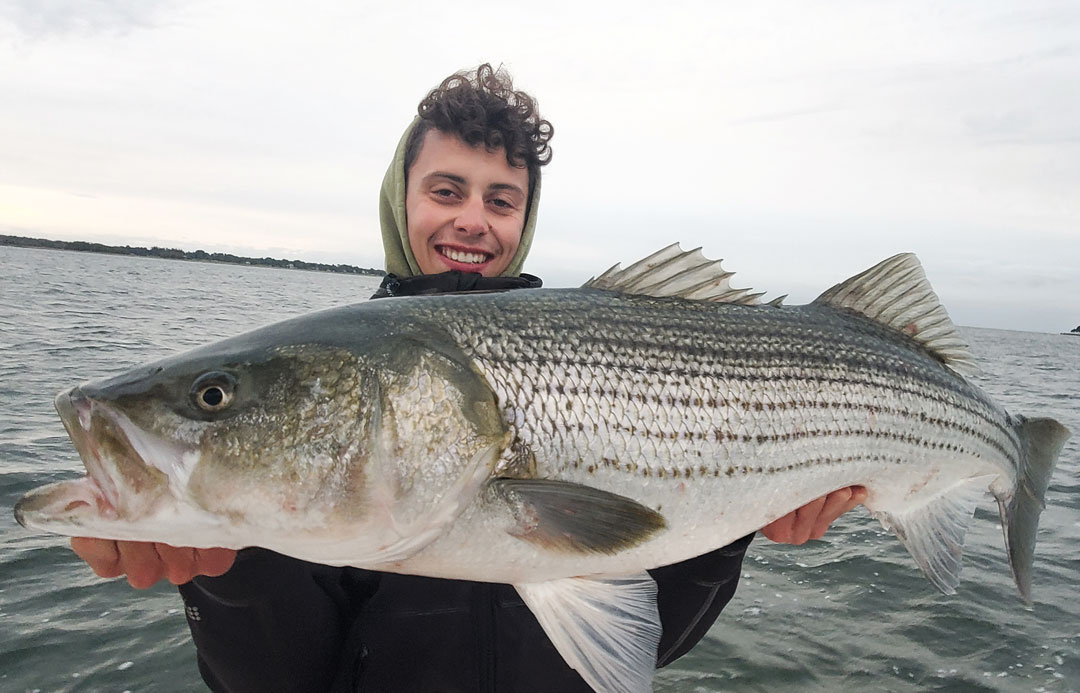
When it comes to freshwater fishing, bass reign supreme. Few species embody the angling experience quite like bass, making them a common target for both seasoned and novice anglers alike. With large and smallmouth bass readily available across lakes, rivers, and streams nationwide, they provide an accessible sport for those looking to cast a line in pursuit of some fun.
"Fishing styles vary based on location, time of year, forage, and experience. That’s what makes bass fishing so appealing to a wide range of people: everyone can do it," said Shaye Baker, a fishing enthusiast and author. Baker emphasized, "From kids catching bass at a local pond with a worm to professional anglers competing for millions of dollars in tournaments — bass offer something for every type of angler."
To get started with bass fishing, understanding the fundamentals is essential. A solid grasp of bass habitat, diet, behavioral patterns, and spawning cycles will significantly enhance your fishing effectiveness. "We put together this beginner’s guide to bass fishing so you know exactly where to start, what gear to buy, and how to catch big bucketmouths and bronzebacks," Baker noted.

"We put together this beginner’s guide to bass fishing so you know exactly where to start, what gear to buy, and how to catch big bucketmouths and bronzebacks,"

Two primary species dominate the bass fishing scene: largemouth and smallmouth bass. Largemouth bass can be distinguished by their distinctive large mouths, greenish coloration, and lateral line blotches. Their jaws extend beyond their eyes, typically making them longer and heavier compared to their smallmouth counterparts.
Conversely, smallmouth bass carry their name due to their smaller mouths, which do not extend past their eyes. They exhibit a brown or bronze hue, giving rise to their nickname, bronzebacks. “They're generally taller than largemouths and have a continuous dorsal fin, while the largemouth dorsal fin looks broken into two parts,” Baker explained.
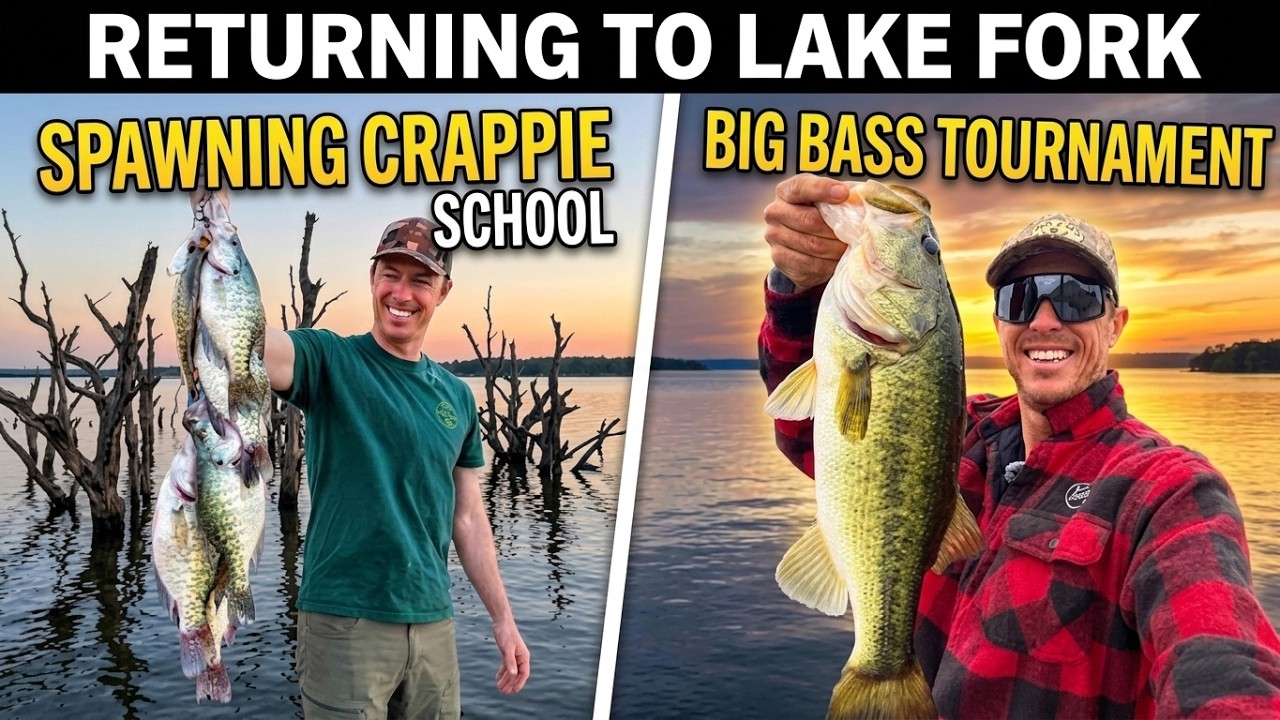
The habitat preferences of these species are quite distinct. Smallmouth bass tend to favor colder waters, making areas in the Northeast and Northern Midwest prime destinations for anglers. "Bronzebacks thrive in clear, cold rivers and streams, while the larger largemouths can endure extremely warm and shallow waters," explained Baker.
"Bronzebacks thrive in clear, cold rivers and streams, while the larger largemouths can endure extremely warm and shallow waters,"
This adaptability helps largemouth bass grow exceptionally large in warmer climates. Due to the nurturing conditions of warmer waters, the southern United States is known for producing hefty bucketmouths, much to the delight of anglers in that region.
Career Journey
“Bass can survive in a wide range of water temperatures, depths, and compositions,” Baker remarked. This versatility allows them to exist in brackish waters, murky lakes, or crystal-clear streams. Their cold-blooded nature enables their bodies to adjust to temperatures ranging from nearly freezing to well above 100 degrees.
However, despite this adaptability, bass prefer to find cover for protection against predators and to ambush their prey. They're often located near underwater vegetation, rocky formations, docks, and manmade structures. “Bass are opportunistic feeders, willing to settle for bugs or smaller fish,” stated Baker.
In summary, understanding the behavior and habitats of both largemouth and smallmouth bass lays a solid foundation for any aspiring angler. Successful bass fishing hinges on proper gear selection, knowledge of the local environment, and keen awareness of seasonal patterns. Whether it's a family outing at a nearby pond or a serious competition on a renowned lake, the thrill of bass fishing continues to captivate enthusiasts across the country.
Looking Ahead
Ultimately, mastering the art of bass fishing involves patience and practice. With the right approach and informed techniques, anglers can enjoy their time on the water while increasing their chances of landing that prized catch. The future of bass fishing remains bright, as more individuals are introduced to this rewarding pastime, ensuring that the tradition continues for generations to come.