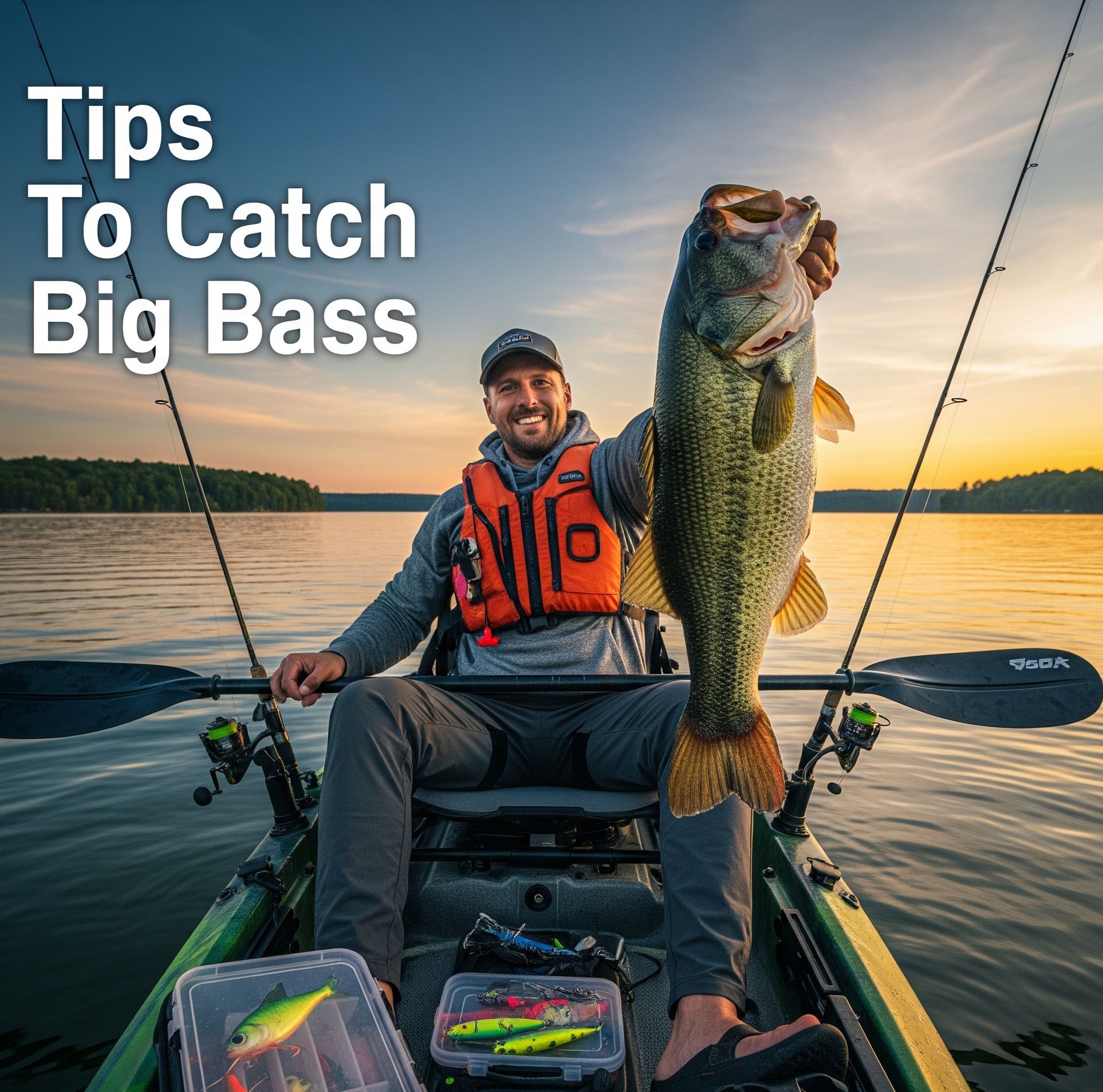
Fishing enthusiasts know that hooking a big bass can be a thrilling and elusive feat. Dave Samuel, an avid angler with two decades of experience, shared his insights after an exhilarating encounter on Lake Fork last April. "I watched my drag scream as something massive peeled line off my reel. Twenty minutes later, I was holding an 8-pound, 4-ounce largemouth – my personal best," Samuel reflected.
His story highlights a vital lesson: consistent success in catching large bass relies not on luck, but on a deep understanding of their behavior and habitats. "Catching big bass isn't about luck. It’s about understanding their behavior, fishing the right spots at the right times, and using techniques that specifically target trophy fish," Samuel explained.
Understanding the habits of big bass is crucial. Unlike their smaller counterparts, larger bass often become solitary creatures. "That 8-pounder I caught? She was holding in 25 feet of water next to a single stump, completely isolated from any other fish," he noted. This isolation is a survival strategy, as big bass develop unique behaviors over time that help them thrive amidst lesser competition.


The concept of isolation is further emphasized by Samuel's experience at a tournament on Sam Rayburn. "I’d been hammering a community hole all morning, catching fish after fish – all under 3 pounds. Frustrated, I started exploring and found a single laydown tree 200 yards from any other cover. First cast with a jig: 6-pound largemouth," he said. Here, the isolation factor plays a crucial role, as larger bass tend to prefer spots that offer less pressure and abundant food opportunities.
Delving deeper, Samuel analyzed his fishing logs and found that larger bass are often found in deeper waters. "My logs show 70% of my bass over 5 pounds came from water deeper than 8 feet, with most in the 12-20 foot range," Samuel explained. Techniques such as drop shots, Carolina rigs, and deep-diving crankbaits become essential when targeting these deeper areas.
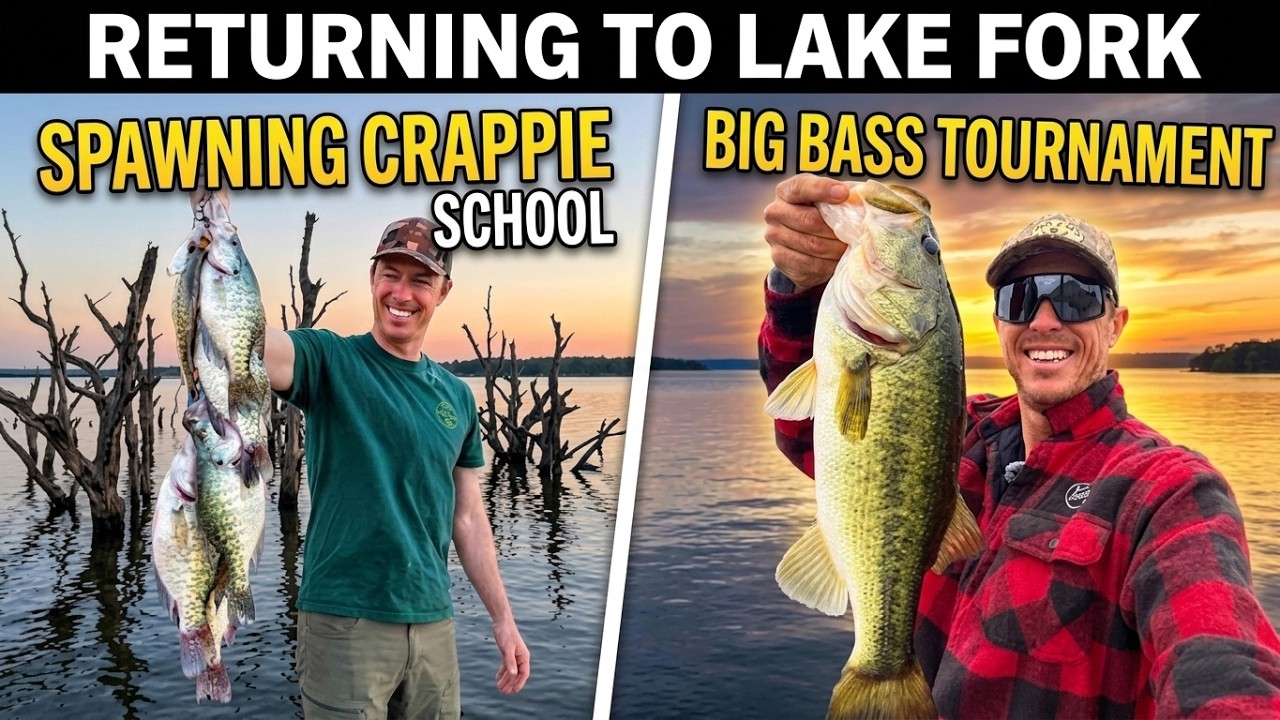
"My logs show 70% of my bass over 5 pounds came from water deeper than 8 feet, with most in the 12-20 foot range,"
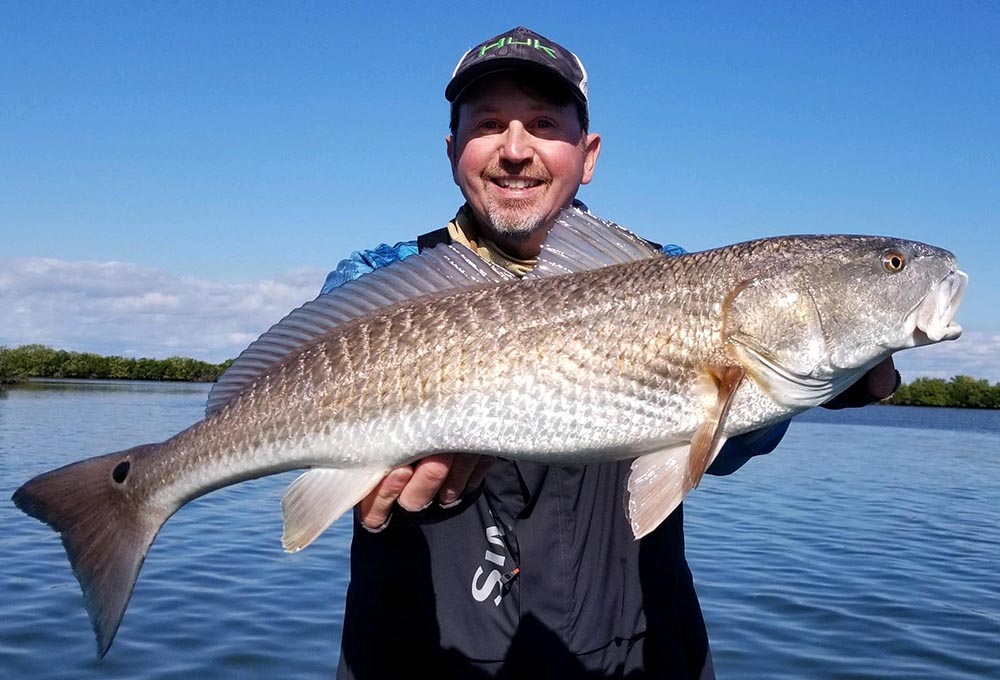
Timing is another critical element in the quest for trophy bass. Samuel has observed seasonal patterns that can significantly enhance one's chances of landing big fish. "Pre-spawn (February-April) is the Super Bowl of big bass fishing. Female bass are at their heaviest, feeding aggressively to prepare for spawning. Water temps between 52-62°F are magic," he advised, reminiscing about his success during that period.
As spring gives way to summer, post-spawn conditions from May to June present unique challenges. "Big females recuperate in deeper water, hungry but lethargic. Slow presentations near spawning areas work best," he noted. Then, in the fall months from September to November, bass start bulking up for winter, leading to aggressive feeding.
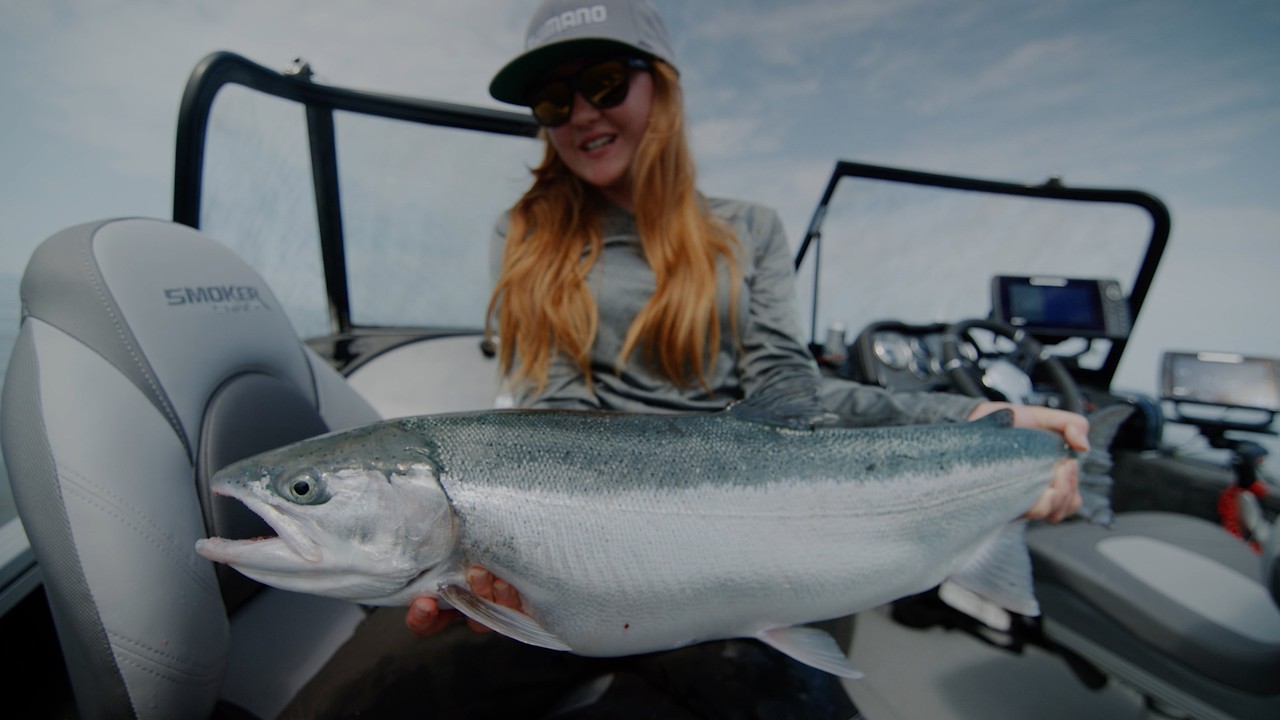
Despite colder temperatures, Samuel advises not to overlook winter months. "Some of my biggest bass came through the ice in northern states. Slow, deep presentations are key. The metabolism slows, but big bass still need to eat," he stated.
Career Journey
Career Journey
Career Journey
Daily timing can also influence bass fishing success. "Early morning isn’t just a cliché – it works. But the afternoon 'golden hour' from 2-4 PM can be just as good," Samuel remarked, highlighting that big bass often make significant feeding runs during warmer parts of the day.
Moreover, he advocates for nighttime fishing for trophy bass. "Using black buzzbaits or large worms, I’ve caught more 6-pounders after dark than any other time. The biggest bass feel safer moving shallow under the cover of darkness," he said, underscoring the importance of adapting strategies to different conditions.
An essential part of this equation is the choice of lures aimed specifically at attracting larger bass. Samuel emphasizes that not all lures are created equal when it comes to bagging big fish. Selecting the right gear is pivotal to achieving success in this challenging aspect of fishing.
Career Journey
Career Journey
In conclusion, the journey towards catching big bass requires a blend of understanding their behavior, timing your approach, and utilizing the right techniques and lures. As anglers hone these skills, they’ll find that the pursuit of trophy bass can be as rewarding as it is thrilling. Samuel encourages fellow fishermen to remain persistent and adaptable, as the rewards can be monumental in the realm of sport fishing.